isn’t that normal though? it’s button one, then button two
as well as two and six button pc engine games, there’s also at least two three button games. but in that case, button three is just a relabeled select button
isn’t that normal though? it’s button one, then button two
as well as two and six button pc engine games, there’s also at least two three button games. but in that case, button three is just a relabeled select button
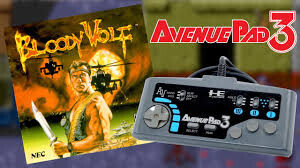
yeah, but the placement of 1 and 2 is opposite of the PC-Engine
It’s normal but it’s also fucked up…doing it backwards is way cooler and more ‘video games’…also A/1 are generally primary buttons while B/2 is secondary…this helps emphasize that…it makes total sense once you think about it…just like like inverted Y axis (YOU TILT YOUR HEAD BACK TO LOOK UP!!)…
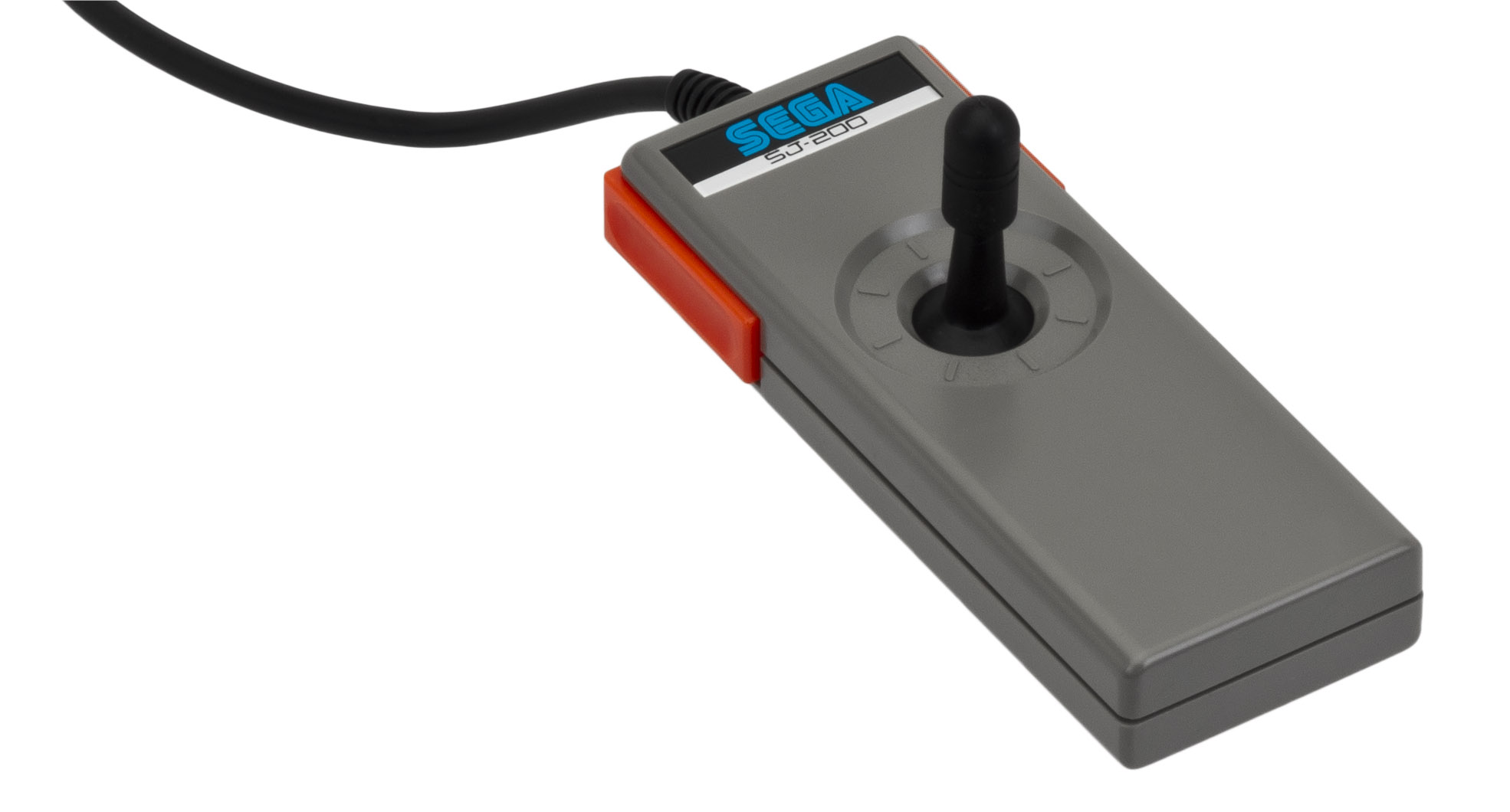
the SMS/Mark III came before the PCE, ergo it’s the PCE that’s the reversed one
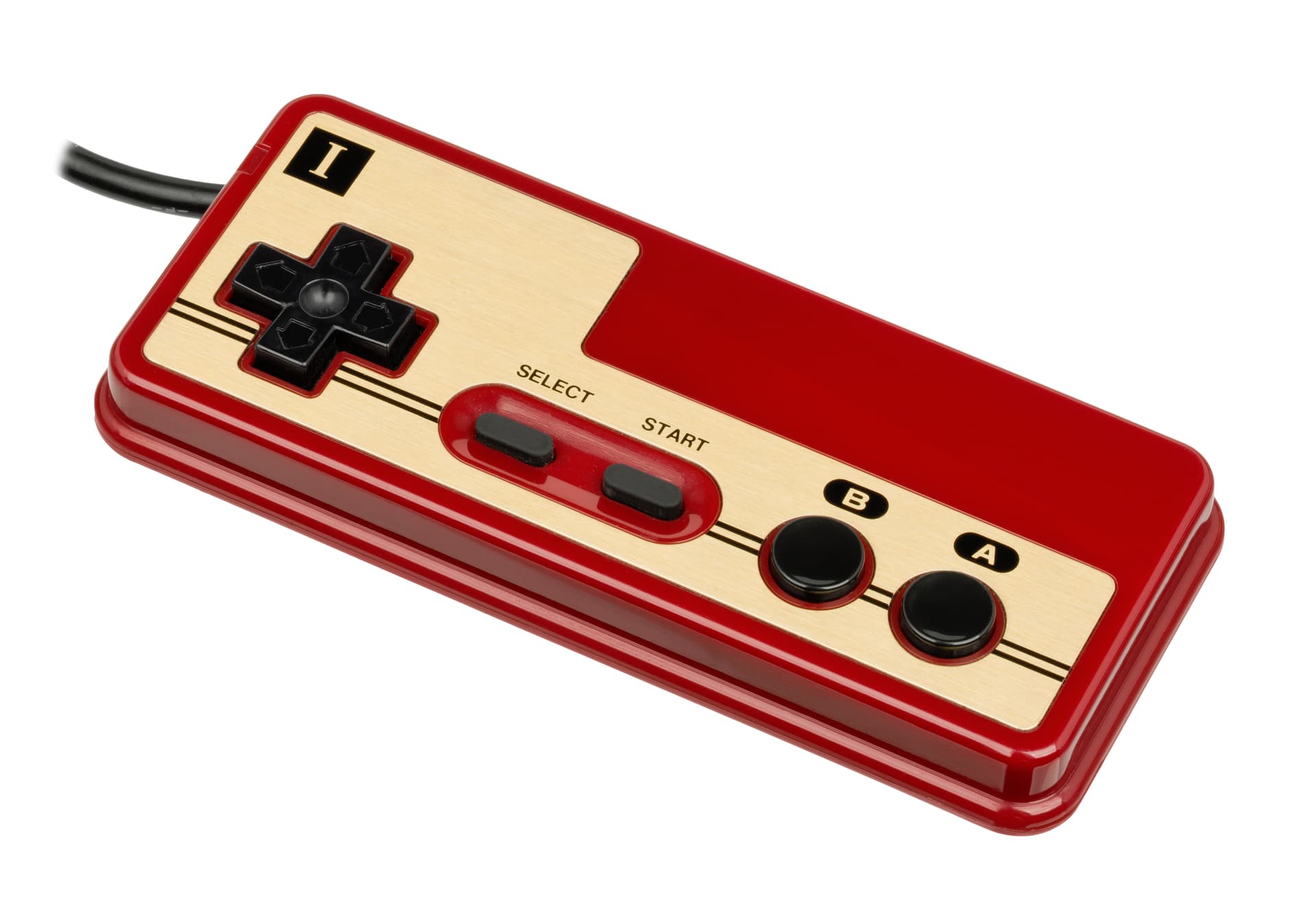
isn’t pad I on a Famicom on the left and pad II on the right

And of course we read it as “trats” and “tceles”.
COMINg from an apple ii kidm it should have been buttons 0 and 1. important thing is still the rightmost button is usually jump
I am on a neverending holy war against any Genesis/MD game that won’t let me jump with C
And the SG-1000 released the exact same day
I’m sure I learned this 10 times before But I looked up in Japanese why is it B-A.
Because for the right thumb the closer button is Action 1 and the farther button is Action 2. Thanks Nintendo Game and Watch designers.
See, I was right…the Intuitive Gamer wins again…
You know, I’d read that explanation three or four times in Google results but it didn’t make sense in my head until the third time I read it the way you wrote it here. ^ _^
I do think the Japanese writing system plays a role, ie designers raised in that system don’t worry much about Western print conventions, whereas no Western designer would even have considered doing it B-A!
Atari lynx is b-a too
the ouya controller doesn’t have a b button but the a button is in the regular good spot
as far as I’m concerned, only what Nintendo has done with the Switch on makes sense where on-screen glyphs highlight the position of the button and suddenly there’s no BAYX/ABXY/copyrighted shapes paradigm to care about
Still surprised no one, outside of maybe a famiclone manufacturer, ever did a NSEW layout for face buttons.
I think NSEW just creates a lot of linguistic barrier issues but it is surprising it wasn’t tried more
Atari prototyped it, but it caused confusion because people didn’t know if N was meant to be true north or magnetic north