
It’s interesting you still had trouble with False King after playing all the later From games. He is the prototype of a really common sort of boss in the later games so I had supposed he would not have kept his difficulty if the games are played in this order.
There is a semi-cheese strategy for False King that I learned and cannot unlearn. The secret is to stay at mid-range. Then, his 2 attacks are respectively weak and easy to dodge+punish, and unlike staying at long range he does not punish you with his big AoE attack. For that reason as I recall I almost beat False King on my first or second battle with him back in 2010 because my natural caution made me follow the best strategy, then as I got more confident I started having more trouble with him and my initial success came across as a mysterious beginner’s luck, and at some point (on a later playthrough) I consciously realized his weakness and now he is not a problem.
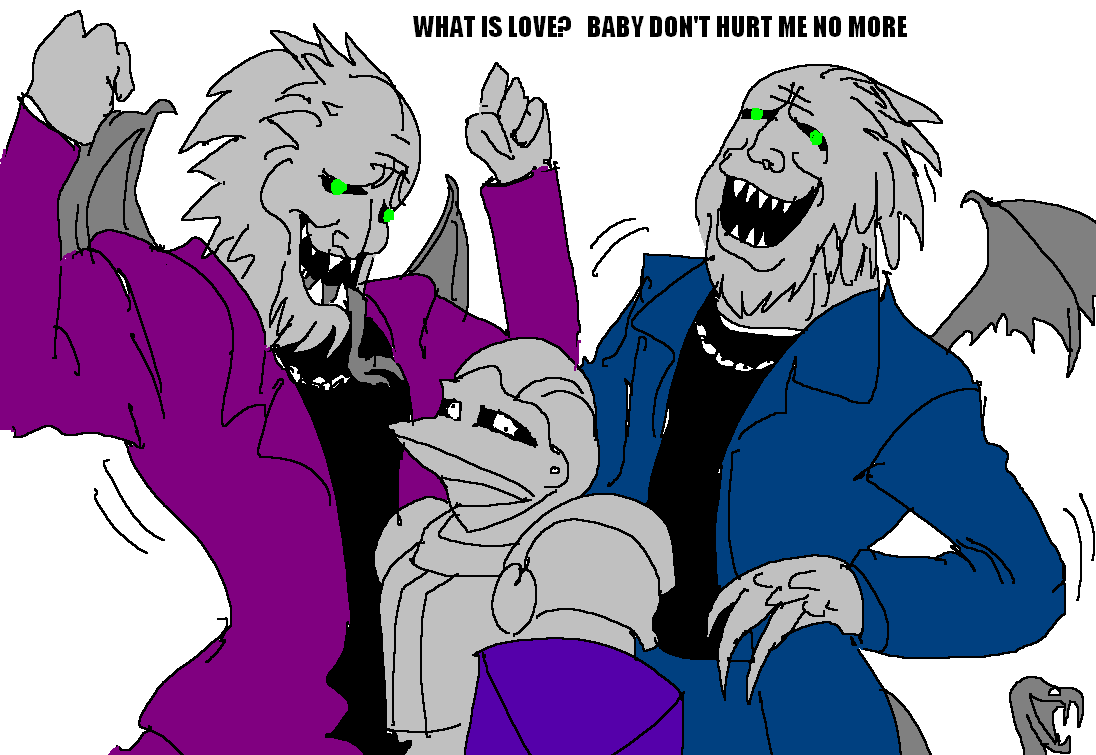
Flamelurker and Maneaters are always the ones I dread on replays. Flamelurker because he’s usually early and requires a lot of caution, and Maneaters because:
and

no regrets about cheesing either of these fights
I look at Shantae and I think “I guess its cool someone loves tits so much?”

the Shantae series, which i will not play, has a zombie lady with big tits whose name is Rottytops
much like a zombie i have been infected with this knowledge and must pass it to as many people as possible before my limbs give out and my body erodes
not chesty la boo?
They all have big tits so maybe tops refers to something else?
i feel like thats evidence in favor of my conclusion not against it


Dragon’s Crown Pro (PS4): managed to reach the lost woods for (I believe) the second or third time, but then gave up and deleted my save again
I finally beat Salt and Sanctuary after like four attempts? I think it’s one my favorite Soulslike and I like it better than half the Souls game. I love how overwhelming it can get. It is a very unreasonable game in a good way
I’m even starting to not mind the Newsgrounds Goth look of the characters
What really sets it apart is the lack of an in-game map… This is a Souls staple but S&S’s map is a lot harder to memorize than a Souls map because the 2D view centered around the main character vastly limits your ability to see the in-game world. The game areas are actually very memorable and distinct, for the most part. But the game’s world is so big and your 2D viewpoint so restricted that you inevitably get overwhelmed.
It’s definitely the most interesting mental map making exercises in videogames I can think of
Another thing I like is how unreasonably dark the game can get at times. This is the first boss
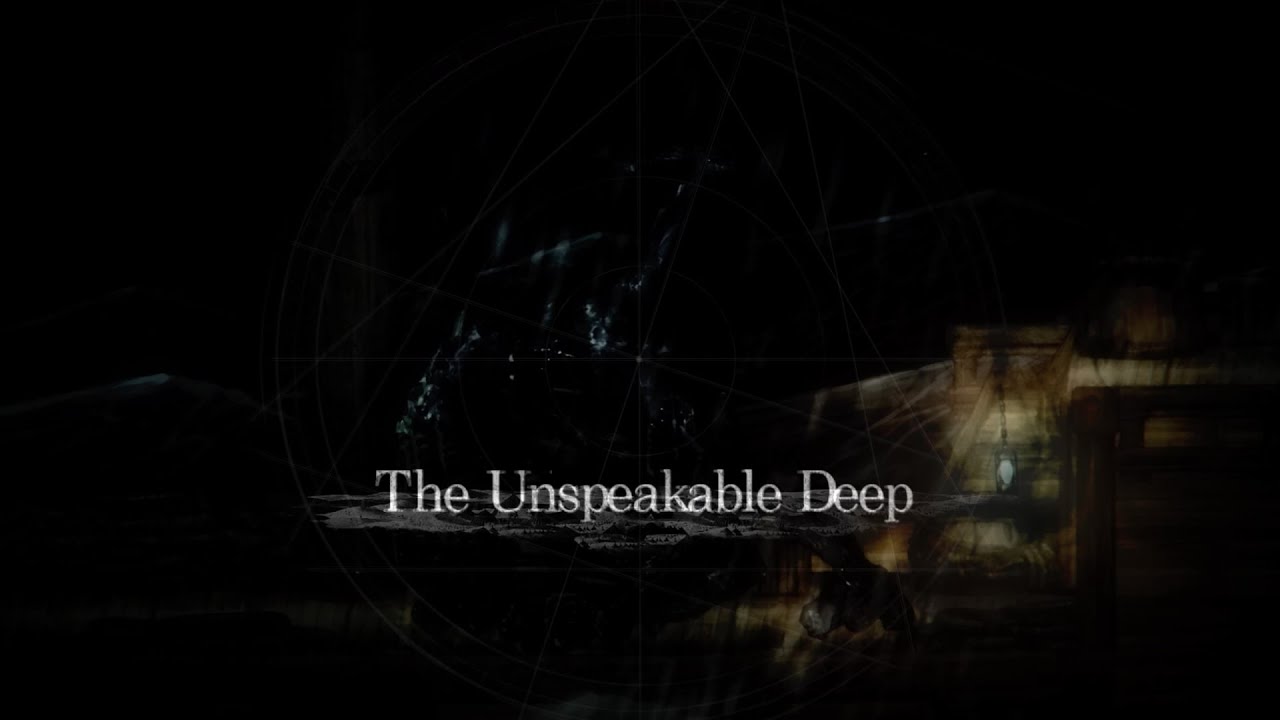
Can’t fight well because you can’t see the boss because it’s too dark? Very annoying but also, actually good. There are a lot of ways to illuminate your surroundings and they’re all garbage but you still have to use one
The jumping challenges with disappearing platforms are unreasonable, the leaps of faith at the end of the game are unreasonable, the spindlebeasts are especially unreasonable
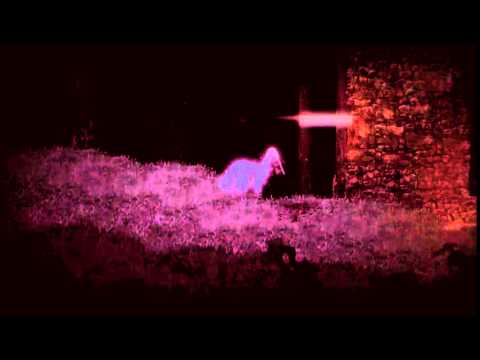
I still l haven’t beaten one after 50+ attempts
I beat the game as a cleric and immediately restarted as a poison + blunderbuss thief and it’s awful. Half the bosses explode in 5 seconds but the other half are a nightmare. Build balance is all wrong in this game. Good fun though
tokyo xanadu continues to lean into its “it’s a playable anime!” gimmick by having a hot springs episode

how is that? been looking at it for a bit now
it took a while for me to get into it, but once i did, i really started enjoying it. there’s a lot of long, non-action story parts though, so be warned~

after playing 100 matches of this game in 4 days ive learned a lot, namely
- dont trust the xbox one dpad
- makoto is trans
- its really easy to give urself an RSI doing rindo-kan karate
(originally posted in the wrong thread)
Frostpunk again confounds me with its UI. This time I’m plugging along at a good clip on day 1, resources are flowing, buildings are built, and I have ruled against using child labor. Someone, a named someone, gets sick!
Not to worry, I’ve built a medical post. The sick man goes to work. The UI tells me which man is sick, and where he’s working. It doesn’t give me a “hey man go to the doctor” button. I find the man by zooming in to that workplace and clicking on bodies until I find the right one. I am greeted with granular details about his mental state and physical condition. There’s no “stop working, man” button. I begin to wonder if I need to dismiss all the workers from this site, wait for him to make his way to the medical post of his own accord, and then reassign the rest of that group back to the worksite.
Instead of trying, I uninstalled the game. Maybe I was the problem, but I’ve got more important areas of self-improvement to explore aside from Groks Poorly Signposted Software
I mean shit if I’m going to torture myself learning a new program it’s at least going to be something that lets me be creative and/or make money, fuck outta here
about half an hour from the end of ico aka somber heterosexual jackass. played basketball and got a mace, fired up the light cannons and fell in the water. vamos a la playa.