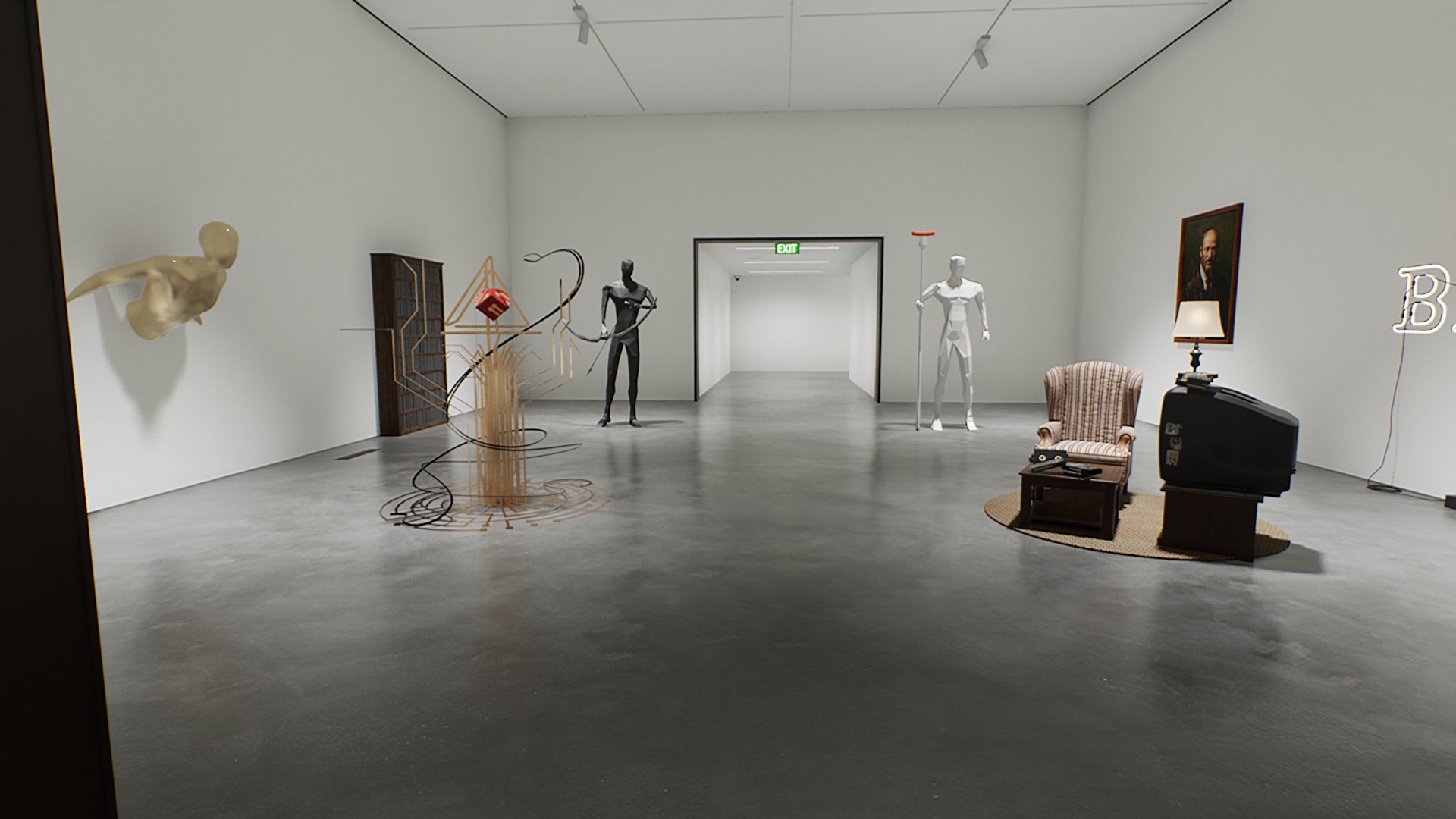
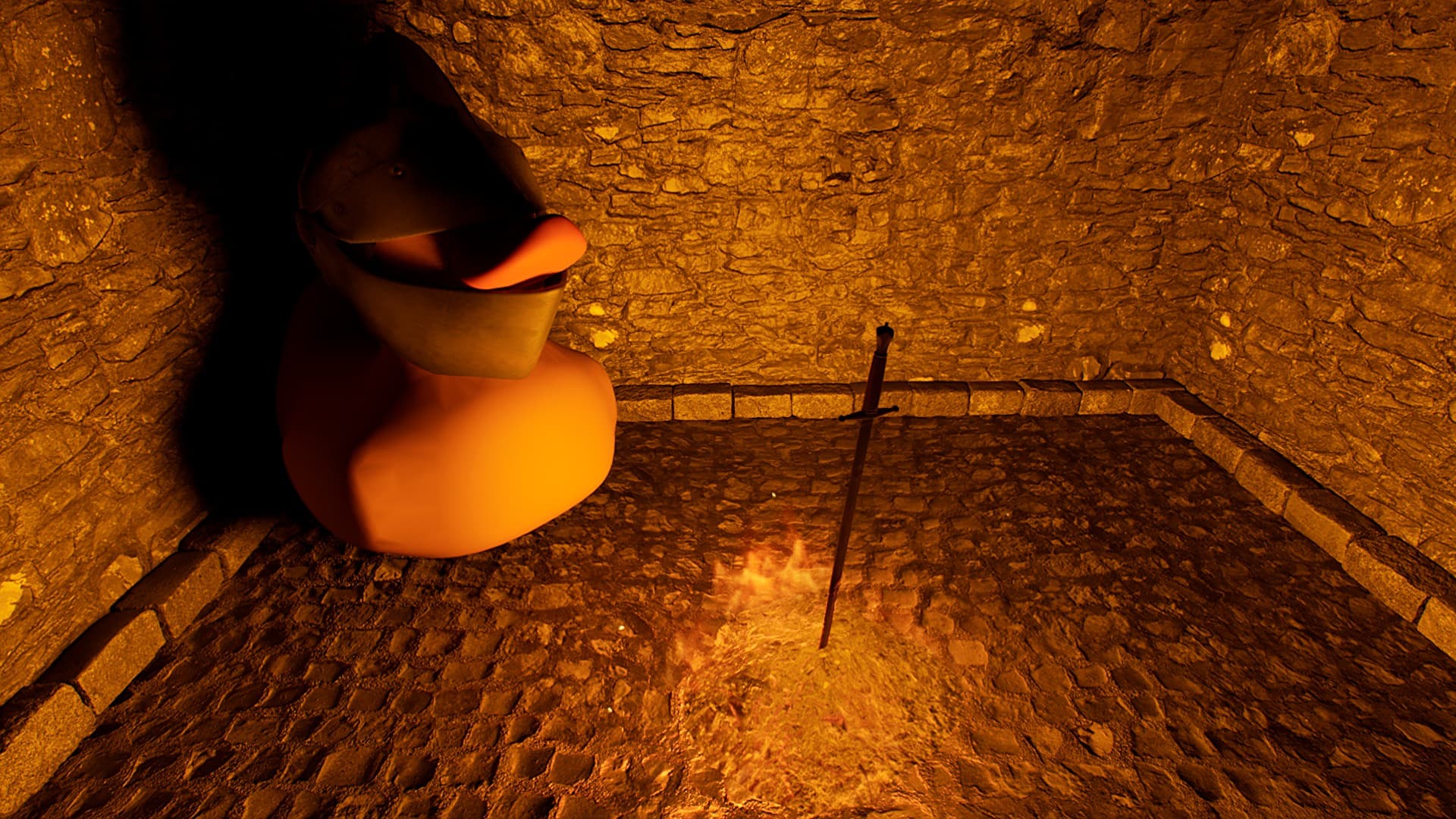
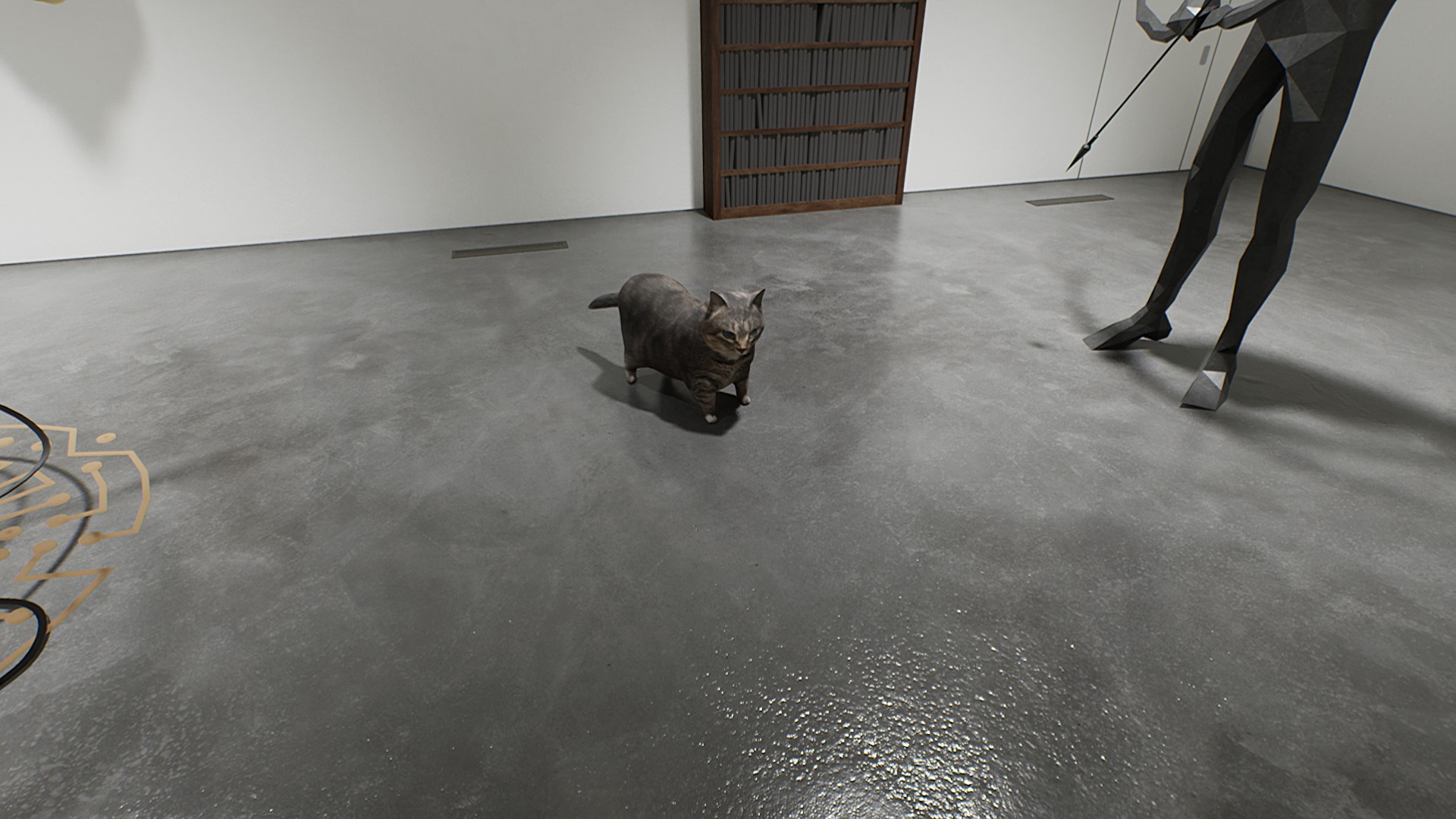
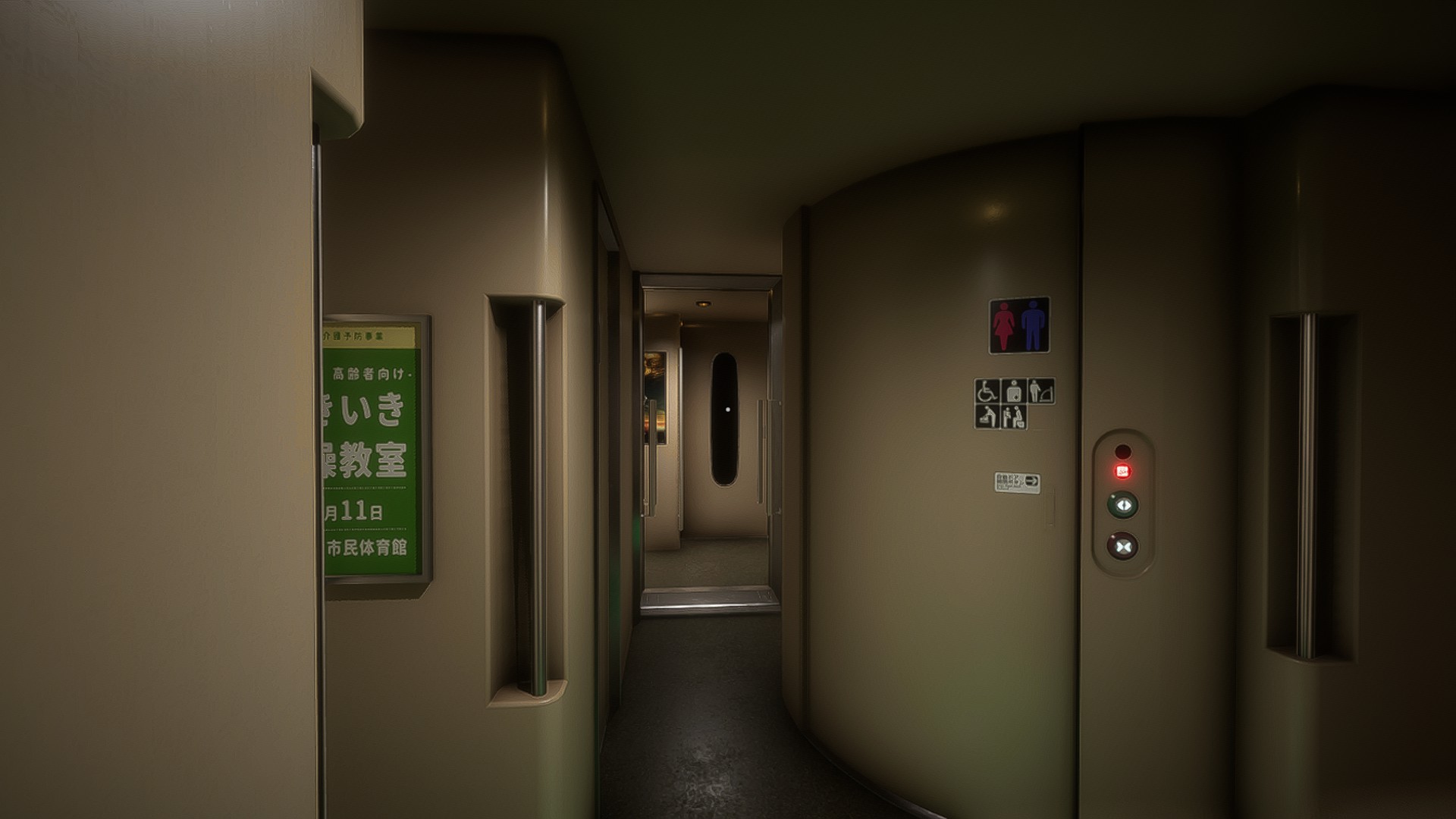
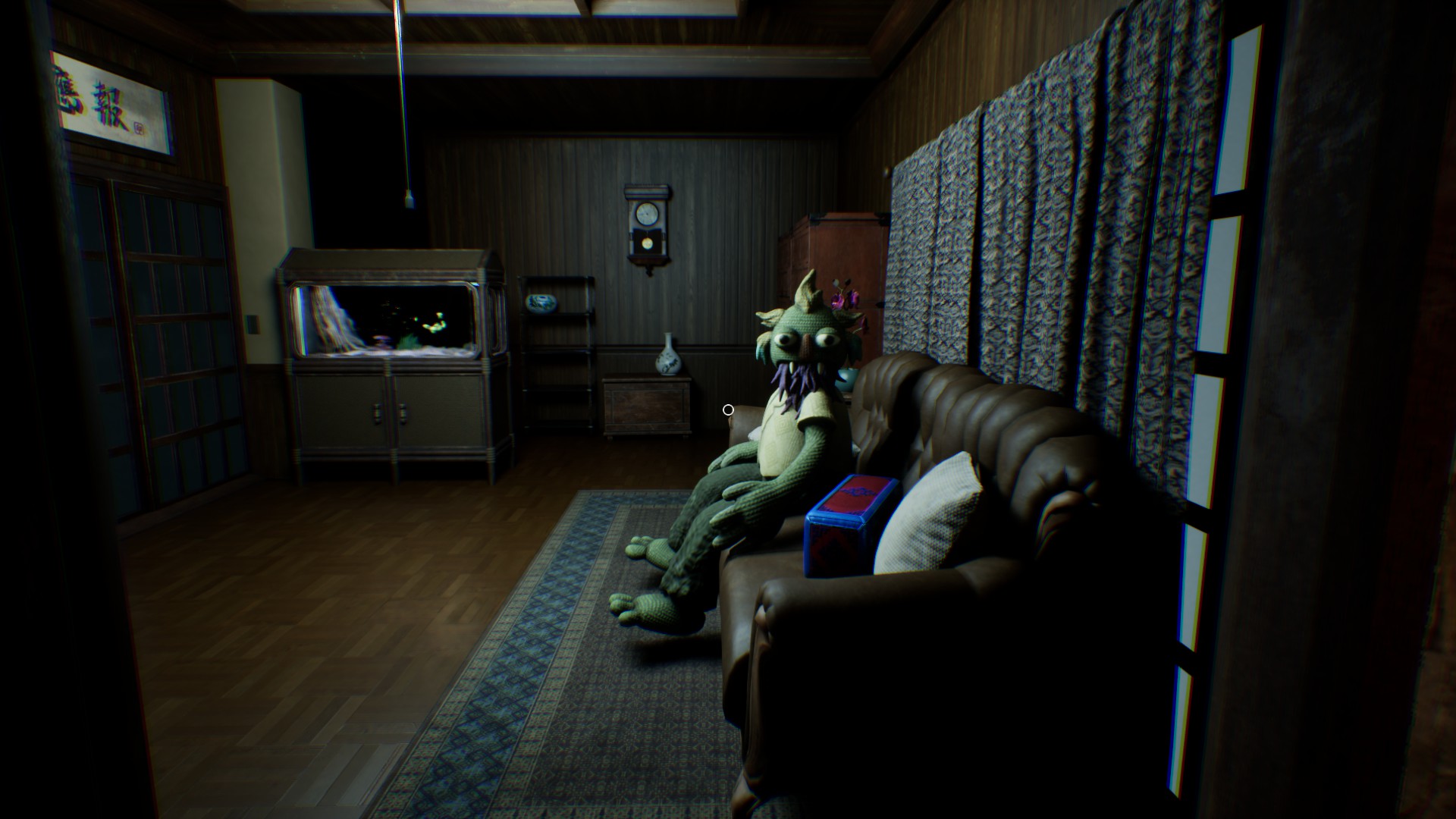
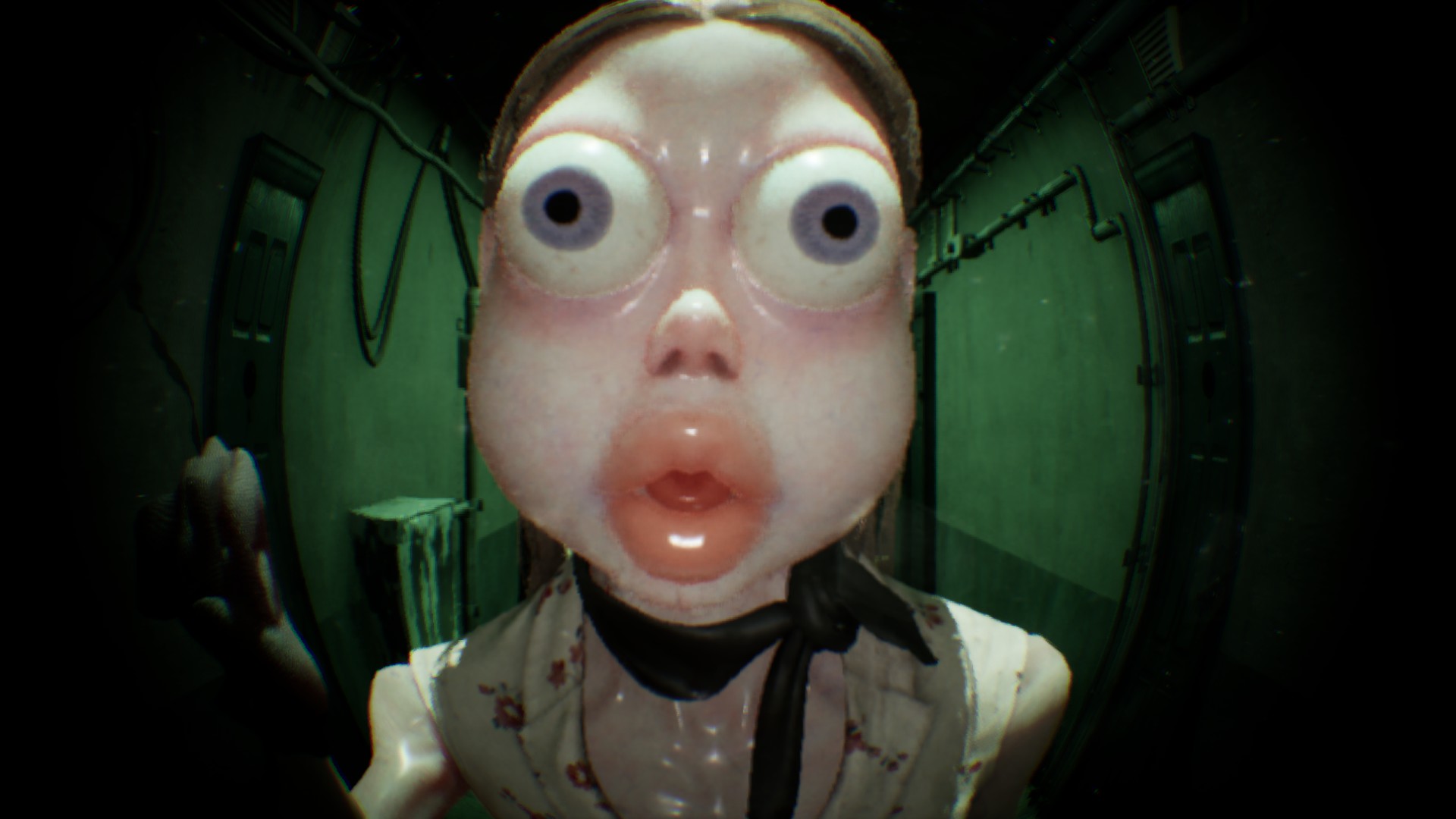
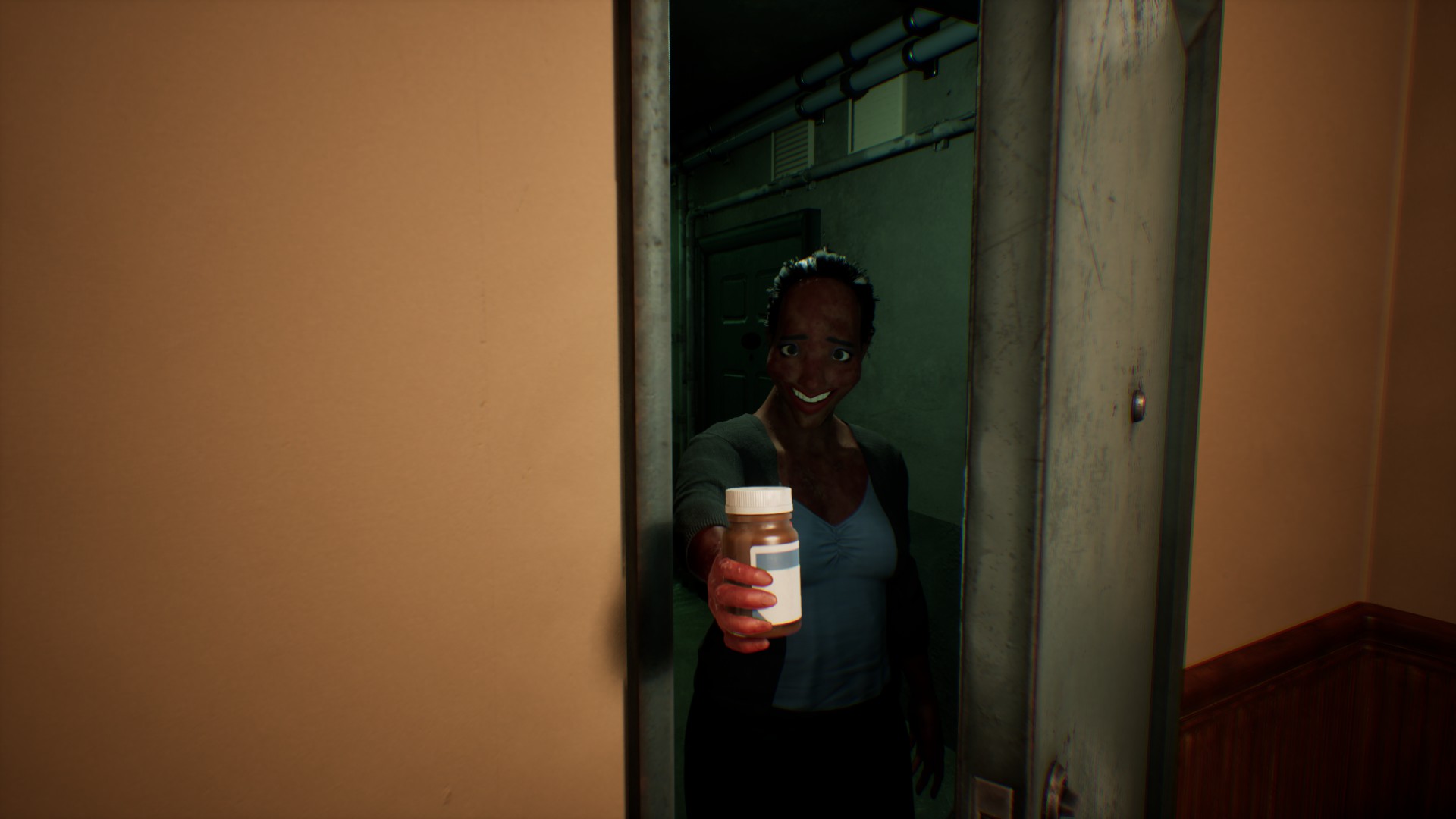
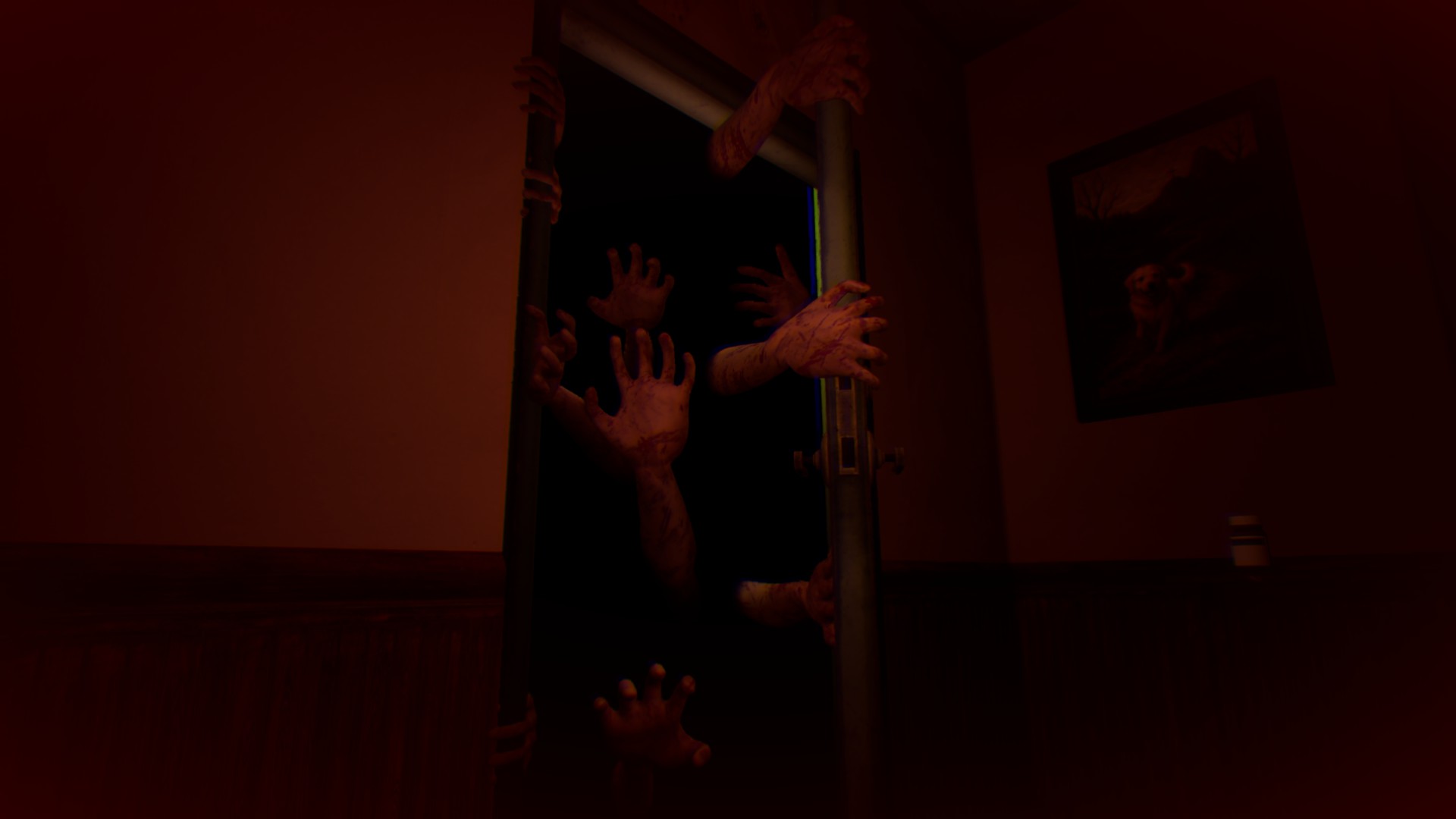
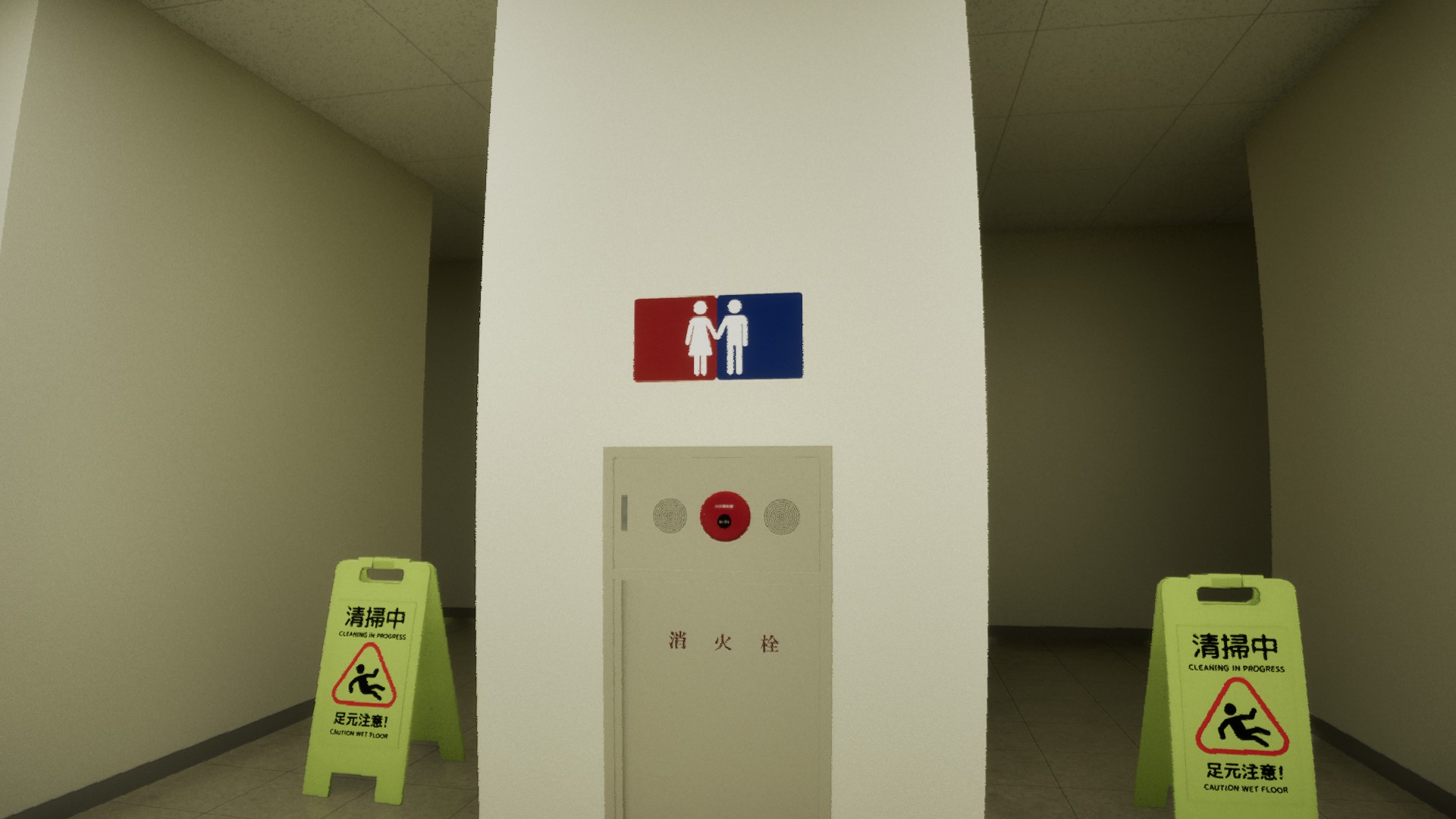
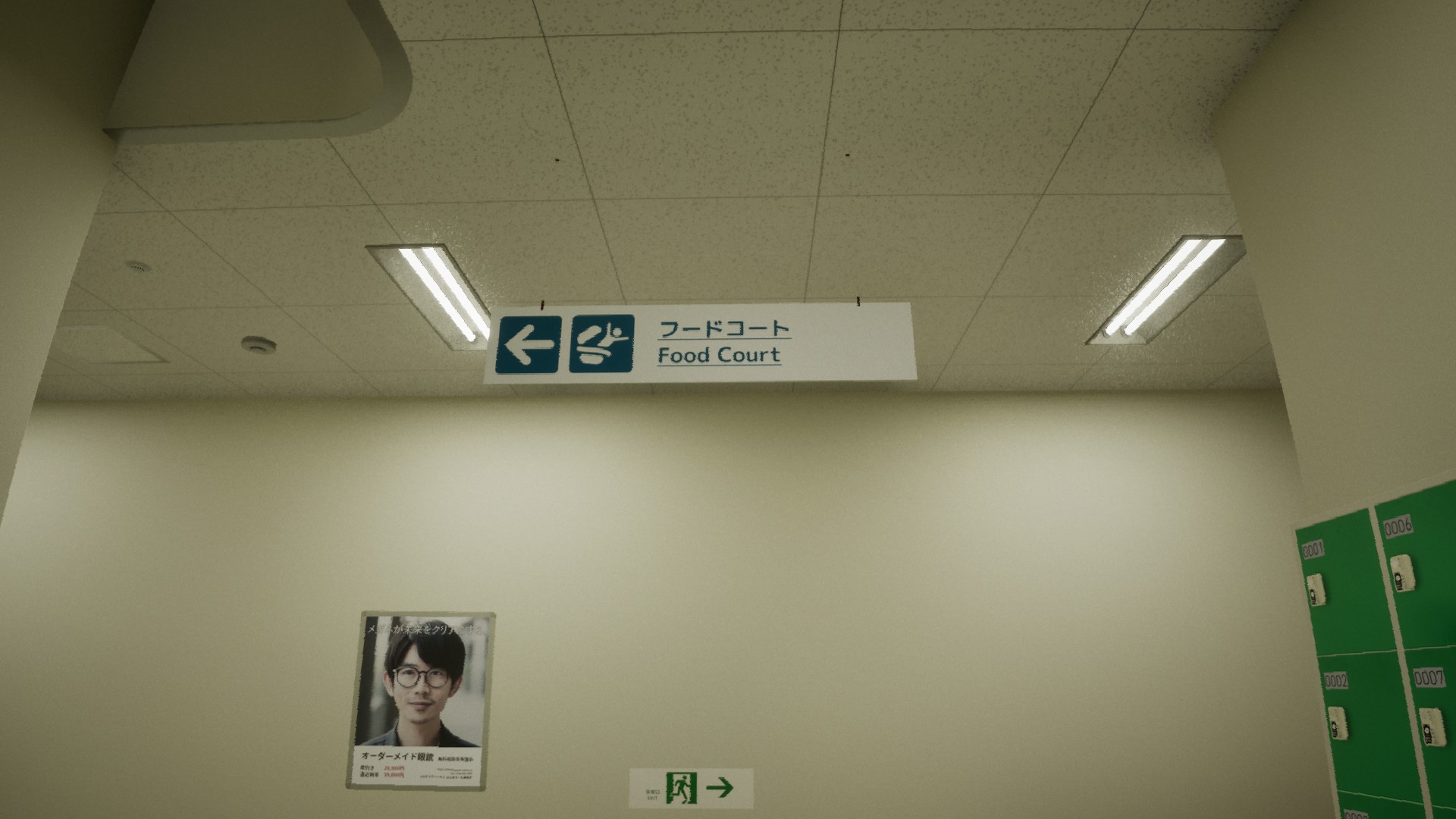
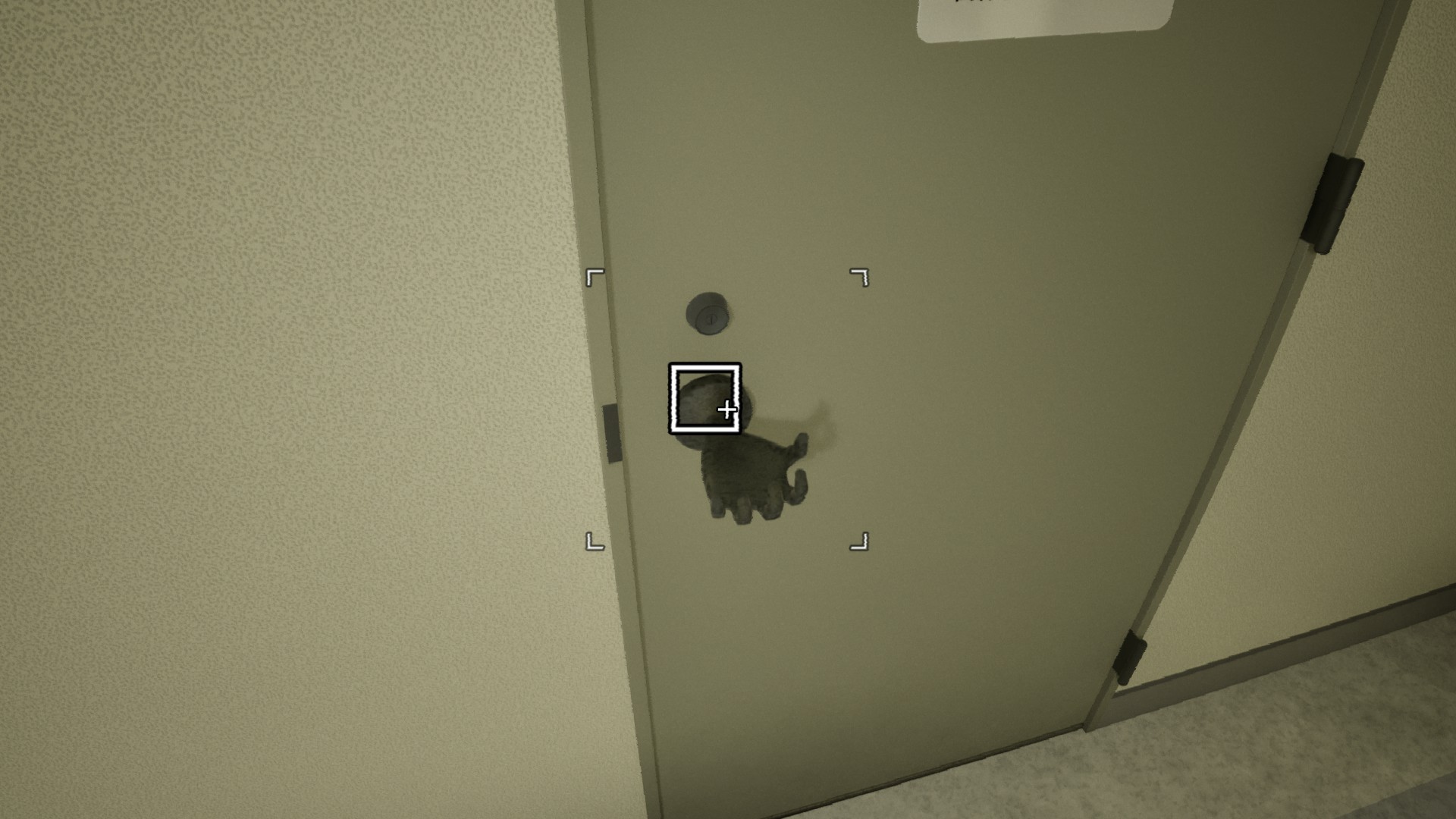
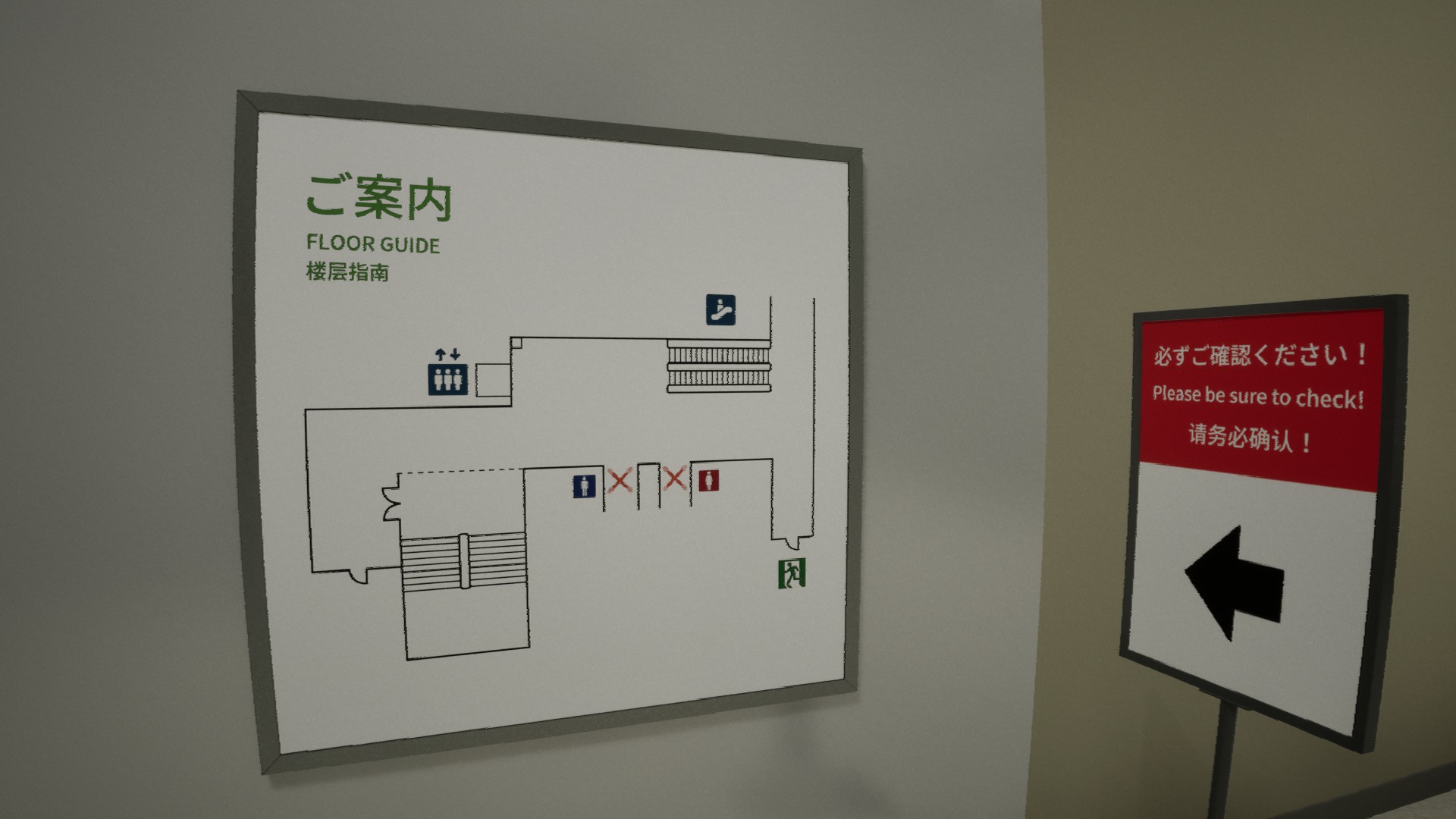
Over the last few days I’ve been fixated on a sub-genre of games that I’m gonna call “anomaly walkers”.
First and foremost, if you haven’t played The Exit 8, stop reading this and do so now. I went into it knowing nothing about it other than that it’s a “repeating hallway” game inspired by PT, and I really enjoyed it. It’s also less scary than PT if that’s a deciding factor for you.
Exit 8 – and all the other games I’ll talk about here – are less than $3 each, and even lower right now during the steam winter sale:
OK, now onto what I want to talk about. A lot of this is conjecture, so lemme know if I’m wrong.
For several years, there’s been a genre of games called “anomaly games”. Also known as “spot-the-difference” games, anomaly games present you first with a “vanilla” scene, and then present you with the same scene over again, possibly with something different about them.
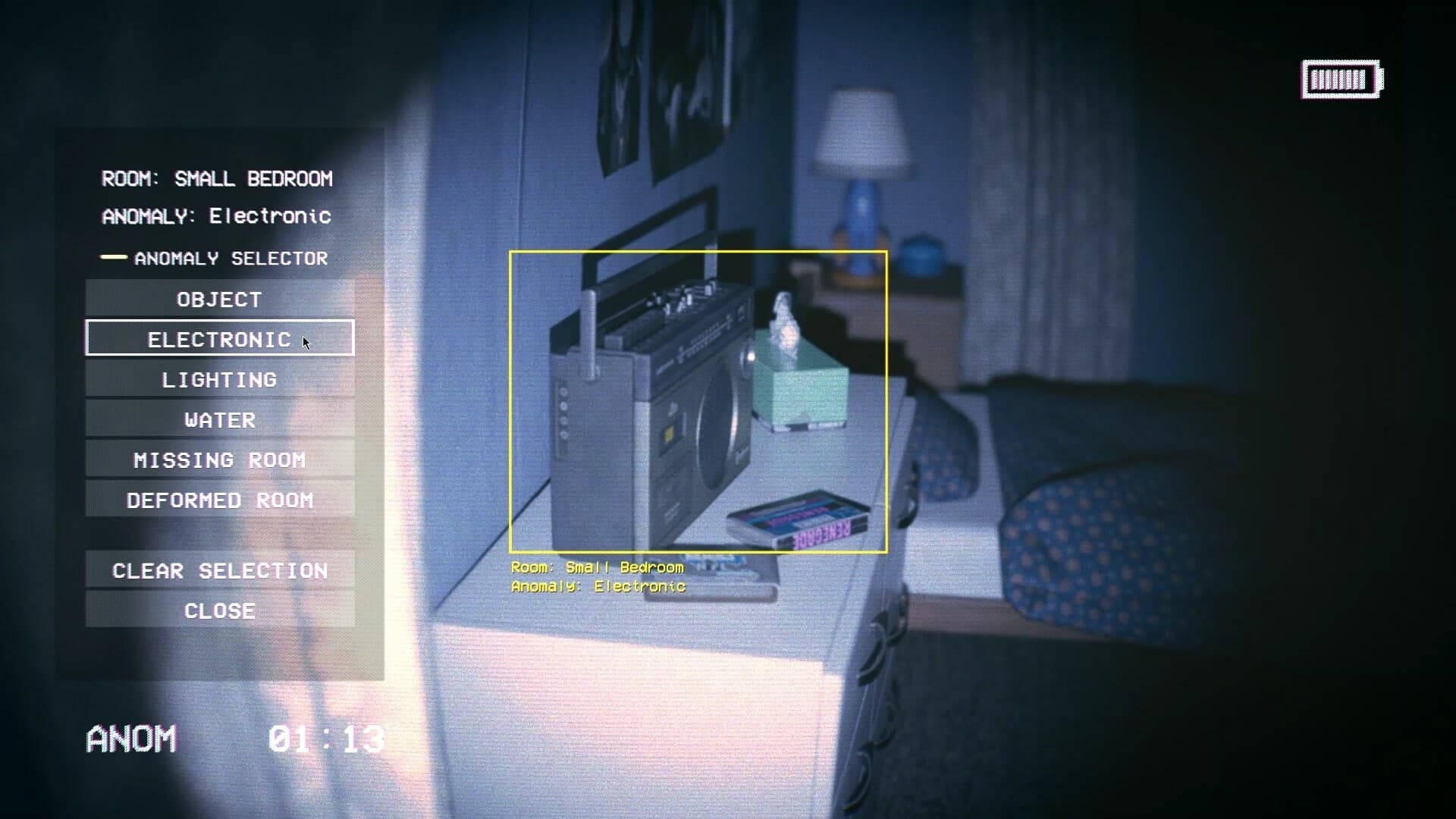
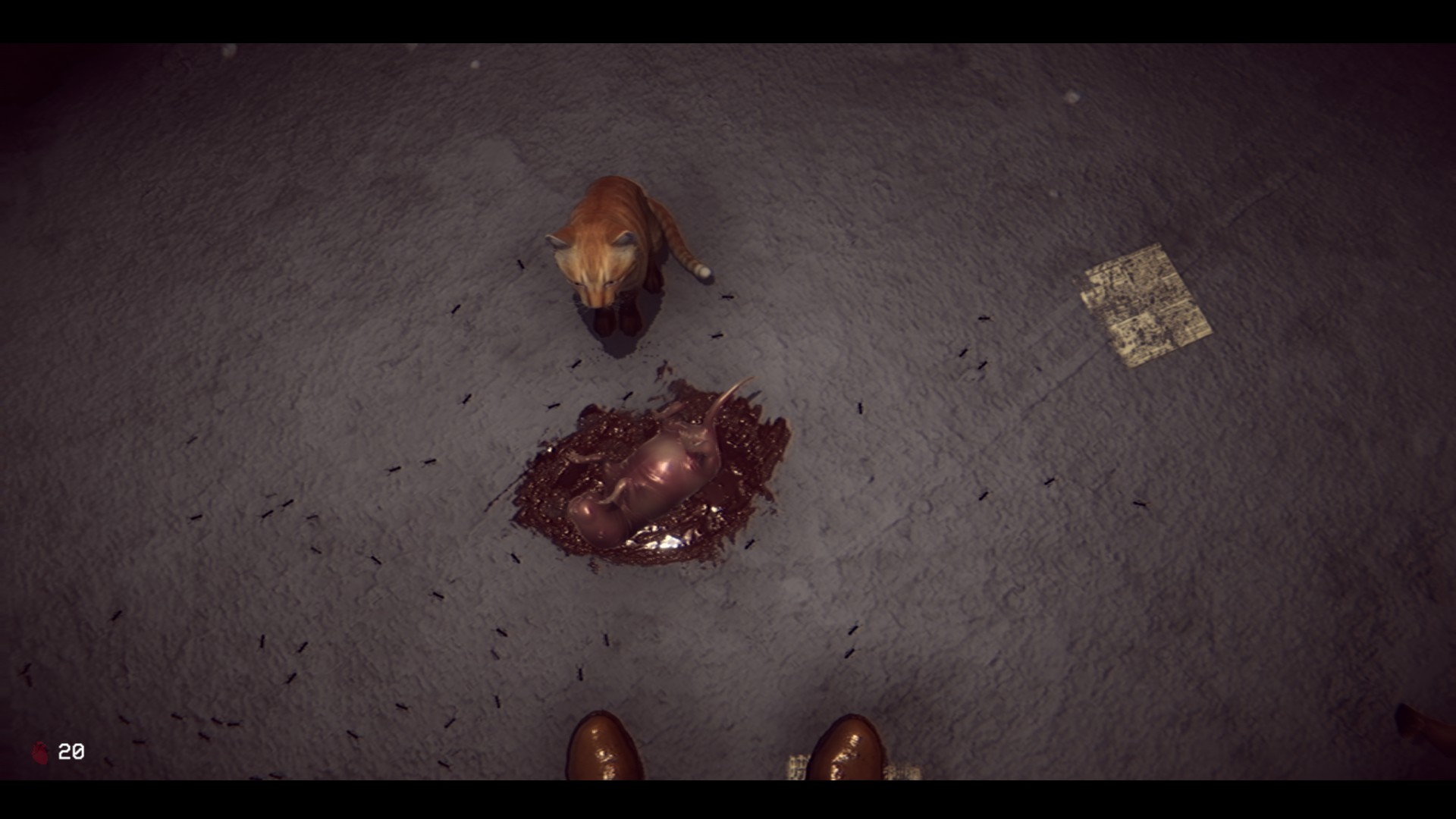
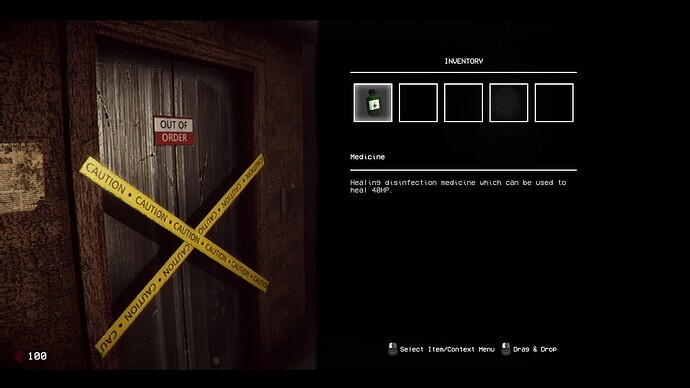
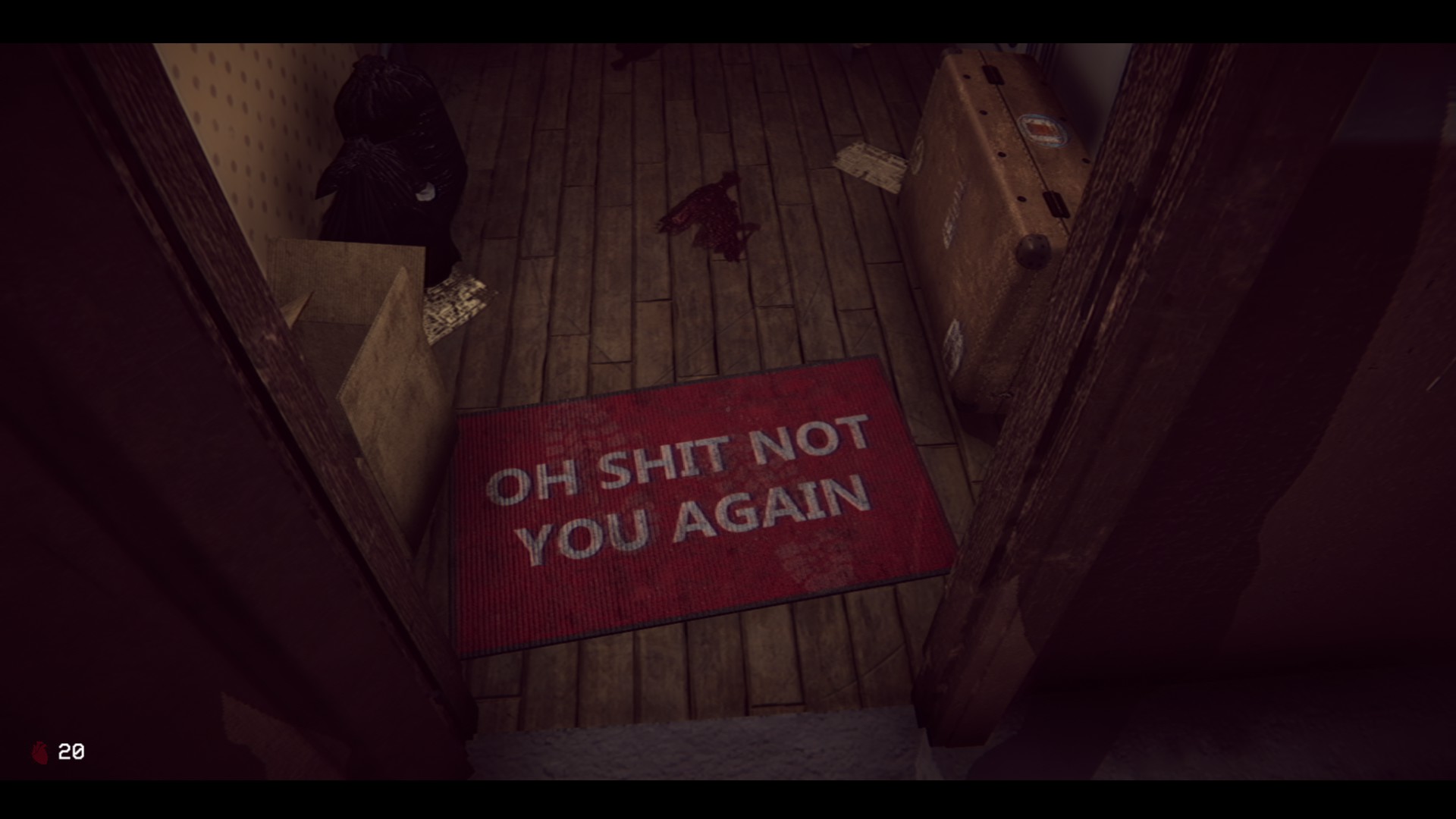
The first anomaly games were what I’m gonna call “camera anomaly” games. Inspired IMO by FNAF, these games cast you as a security guard switching between security cameras in different rooms, and trying to spot differences. The most popular (I think?) of the camera anomaly games is the I’m On Observation Duty (Dec 2018) series. In these games, you switch between those cameras, and if you spot something different you “file a report” stating which room the “anomaly” is in, and what kind of anomaly it is (object moved, object disappeared, ghost, etc.). If there are too many uncaught anomalies at once, it’s game over.
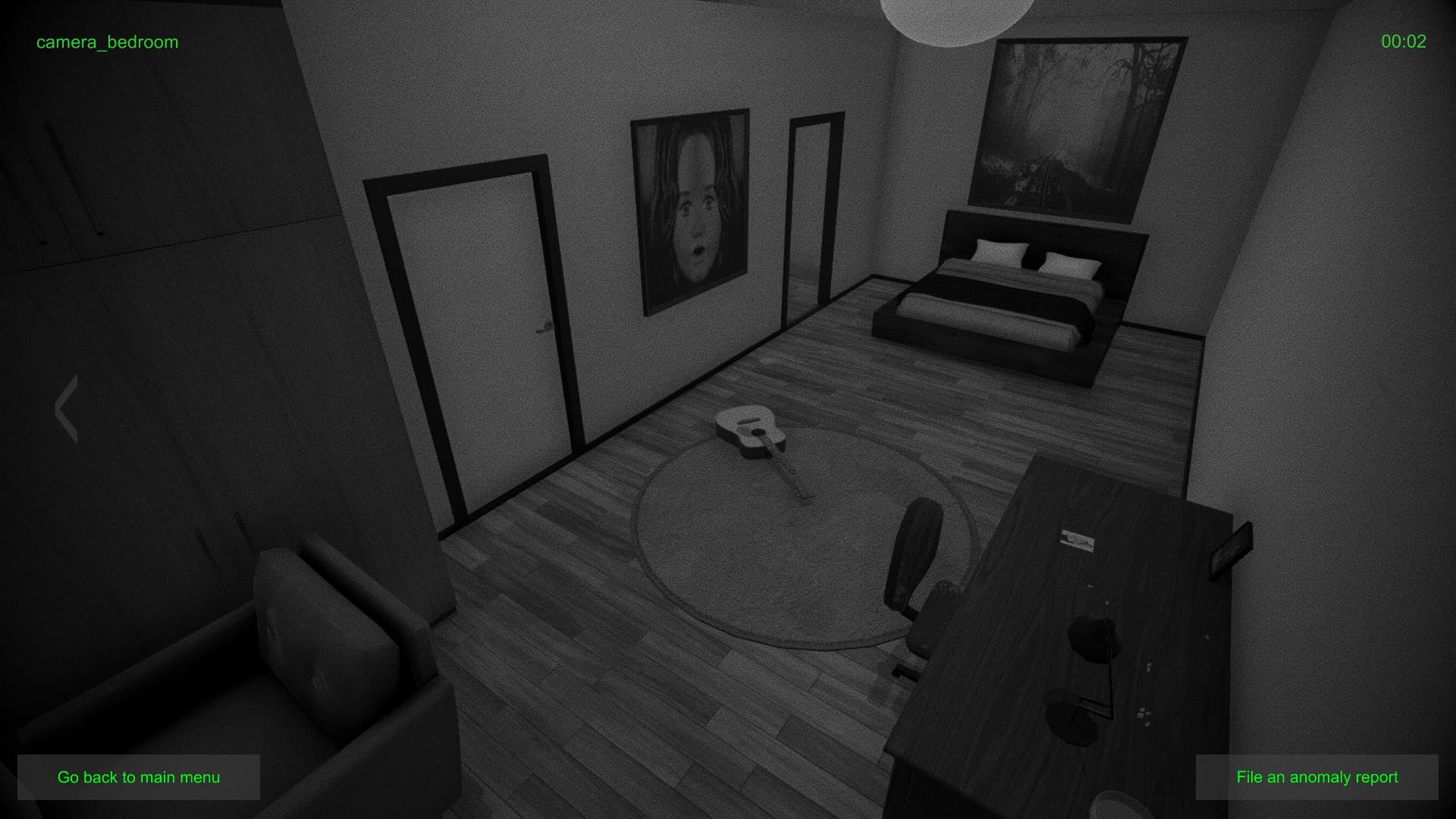
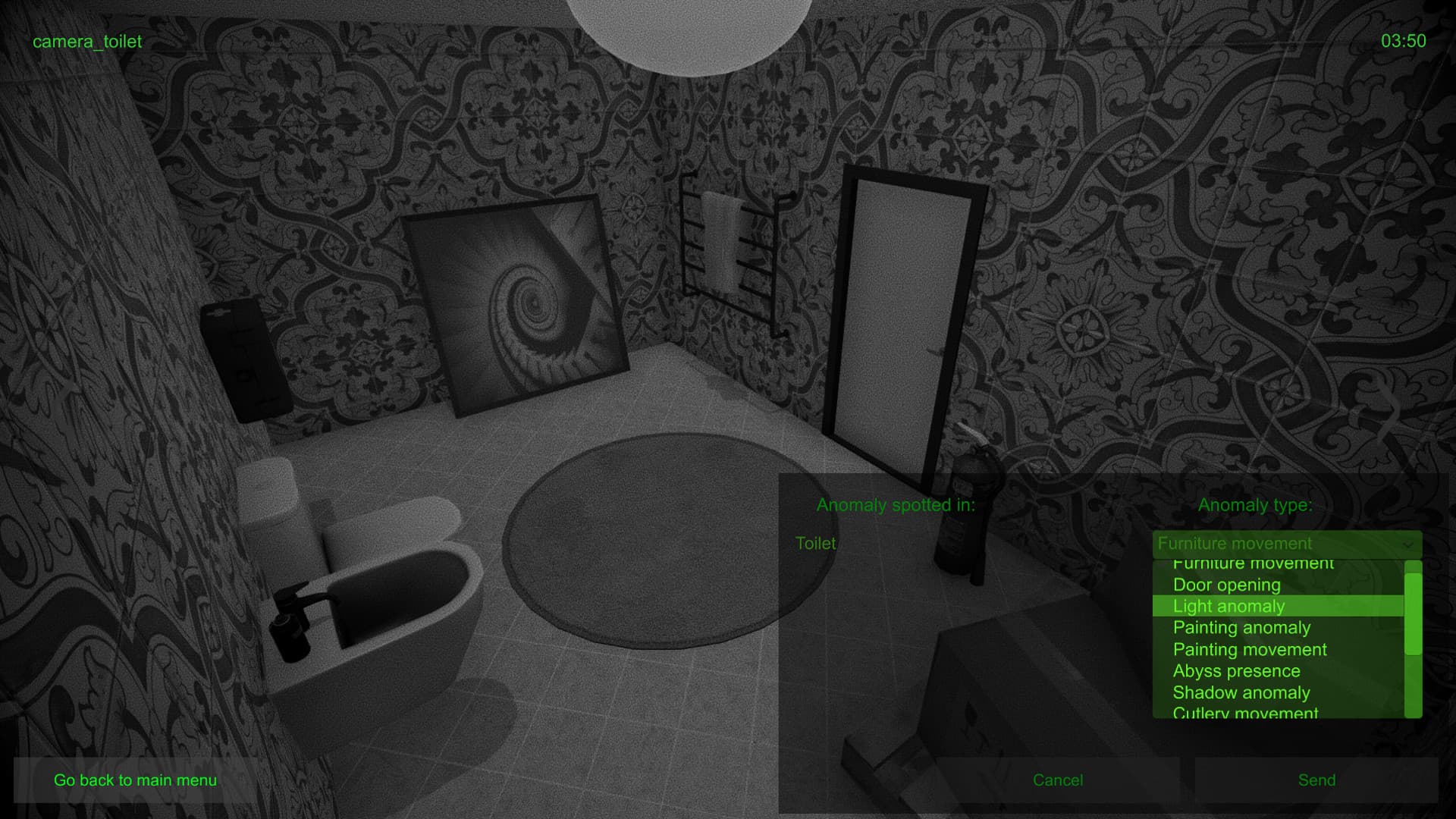
I only played the first of these games and didn’t like it. You’ll rarely see a change happen, so you’ll change cameras back to a changed room and something will be moved by 2 pixels and you won’t notice it at all, or have any readily-accessible “baseline” to compare it to. I guess the way to play it is to just take a screenshot of the “normal” version of each room, and then keep alt-tabbing back and forth between the game and your screenshot looking for any miniscule changes. I realize this first one is probably rougher than later ones in the series are (there are 8 of them!). If anyone has played more of these and can recommend a better one to start with, let me know.
Kotake Create, the developer of The Exit 8, says he was inspired to make a combination of I’m On Observation Duty and PT (I suspect everyone here on SB knows what PT is).
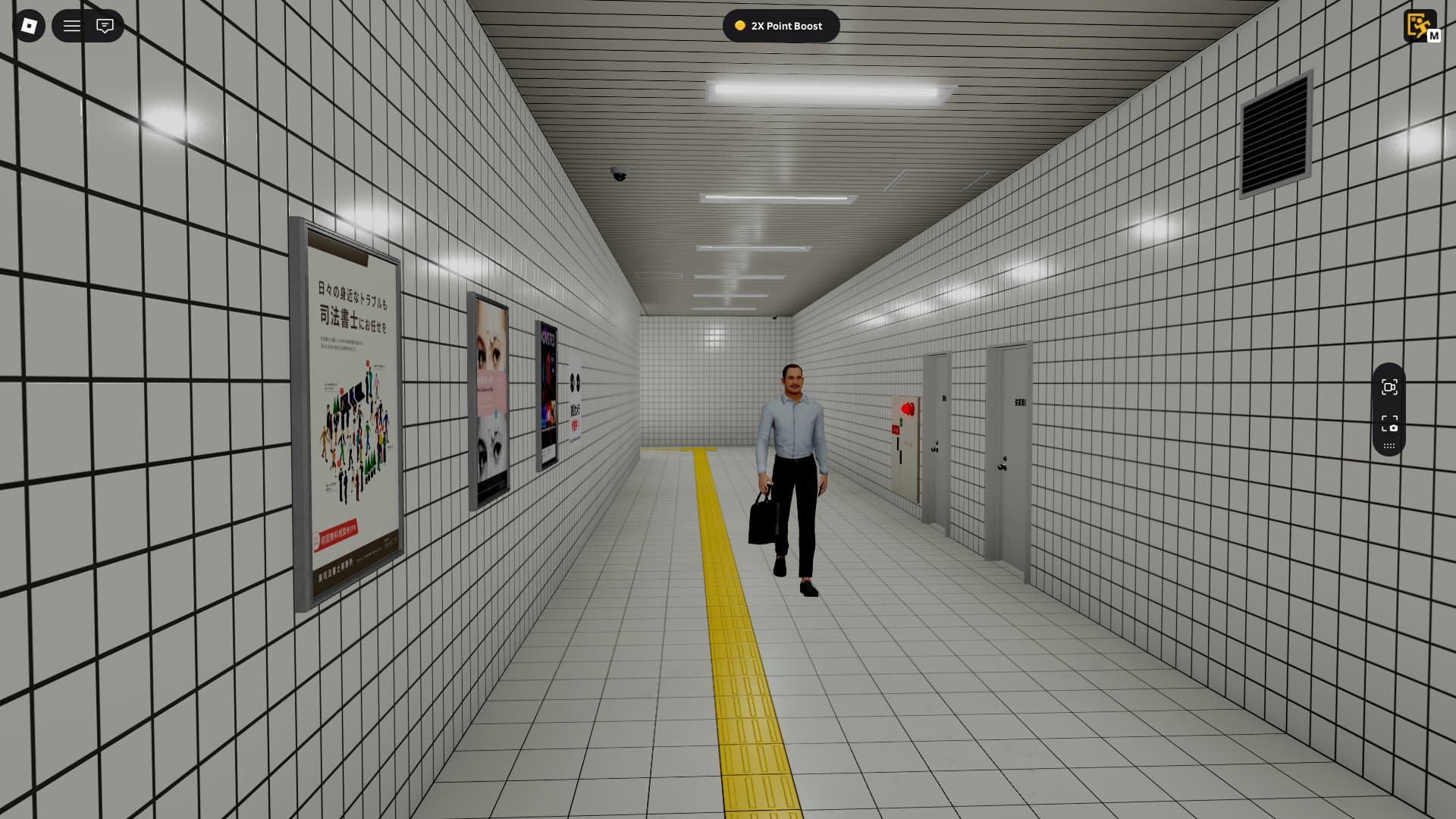
The Exit 8 is much closer to PT than I’m On Observation Duty; like PT, you walk down a hallway in a first-person view, and when you get to the end of the hallway you find yourself in another nearly-identical hallway with some differences, and this repeats until you finish the game. Also like PT, there is no “interact” command (PT does have one moment where you have to press the X button, but The Exit 8 doesn’t even have this) and you can only move. Unlike PT, you can also run by holding down a shoulder button, which you’ll primarily use the few times something chases you.
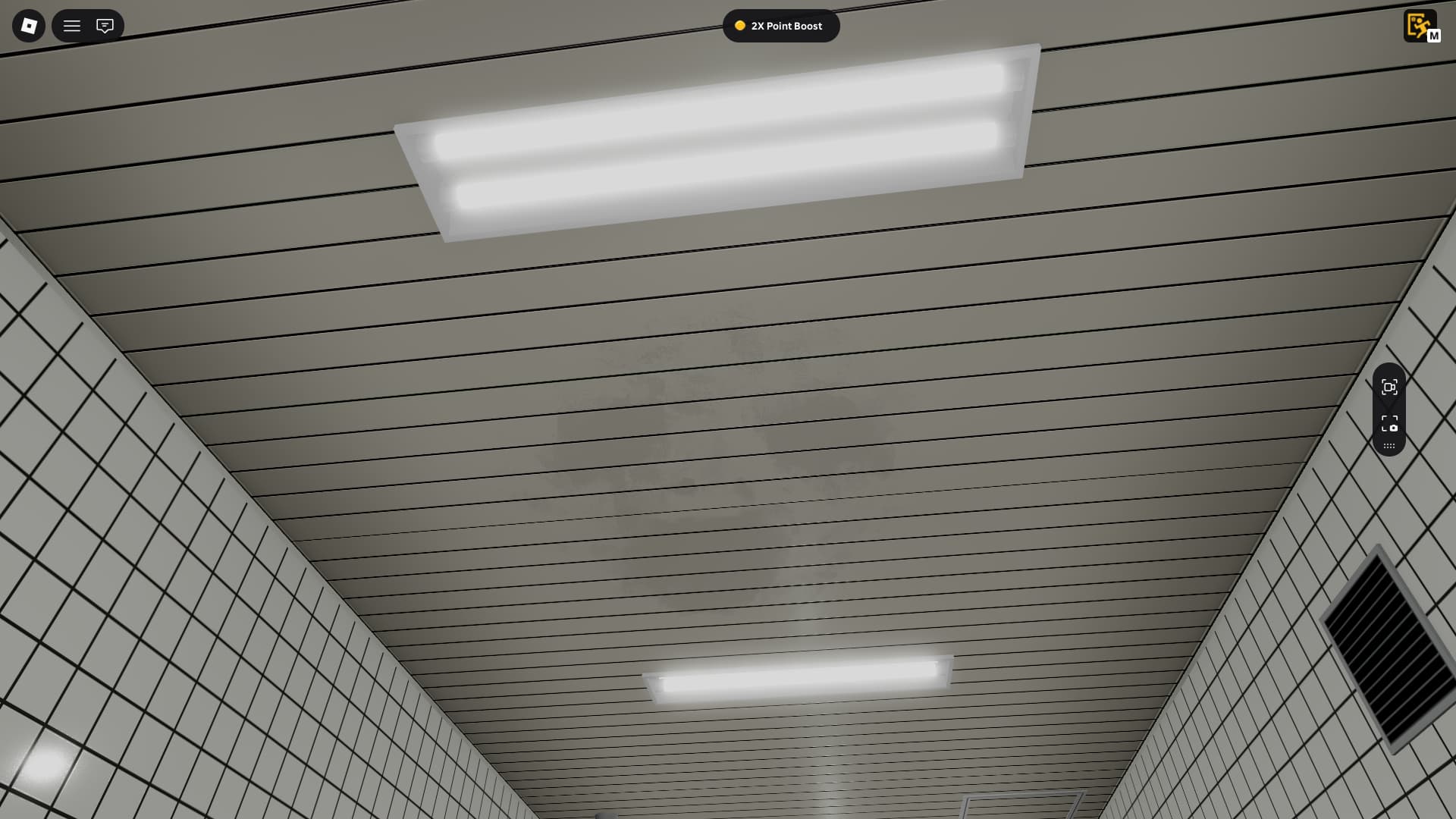
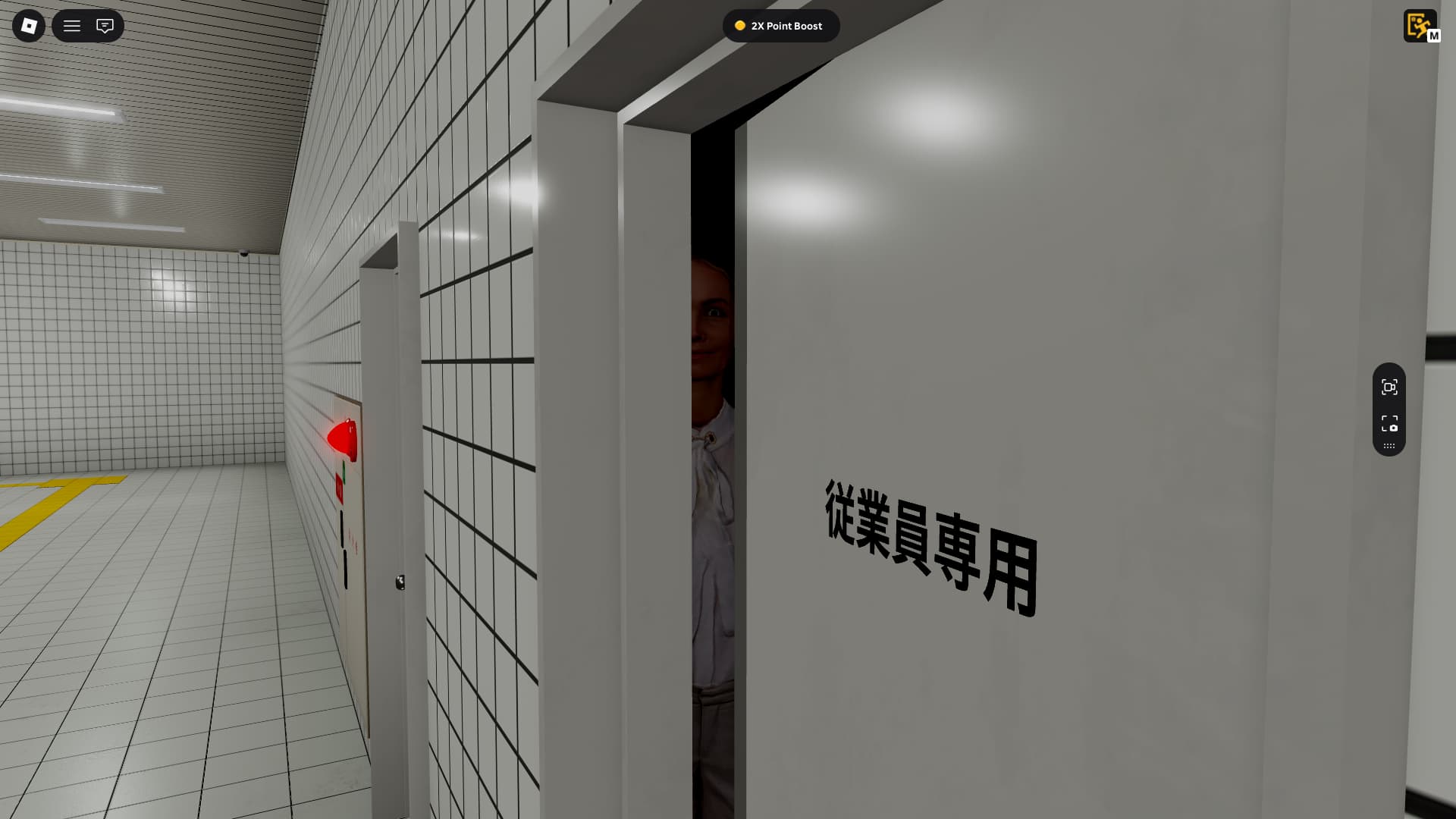
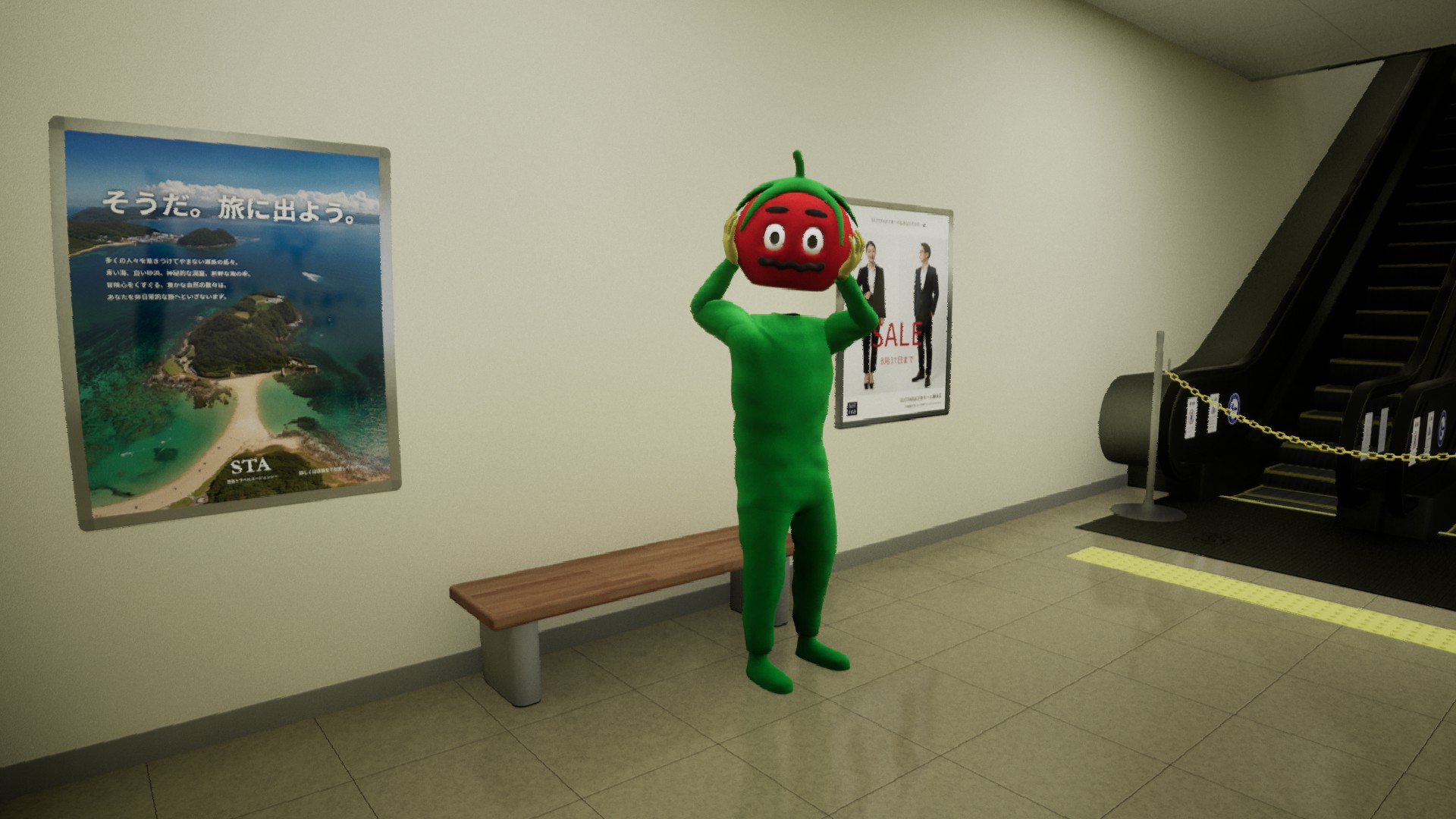
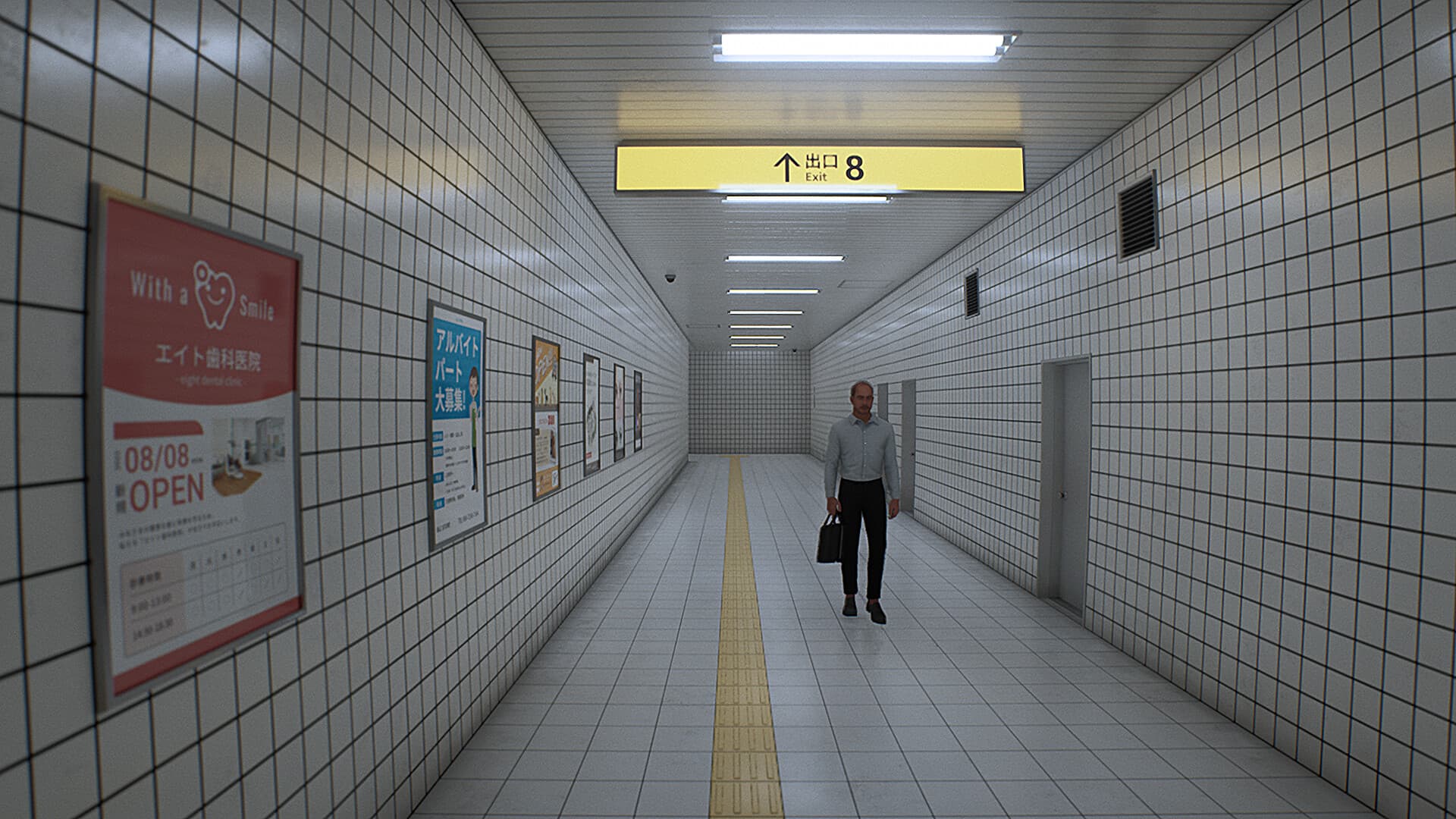
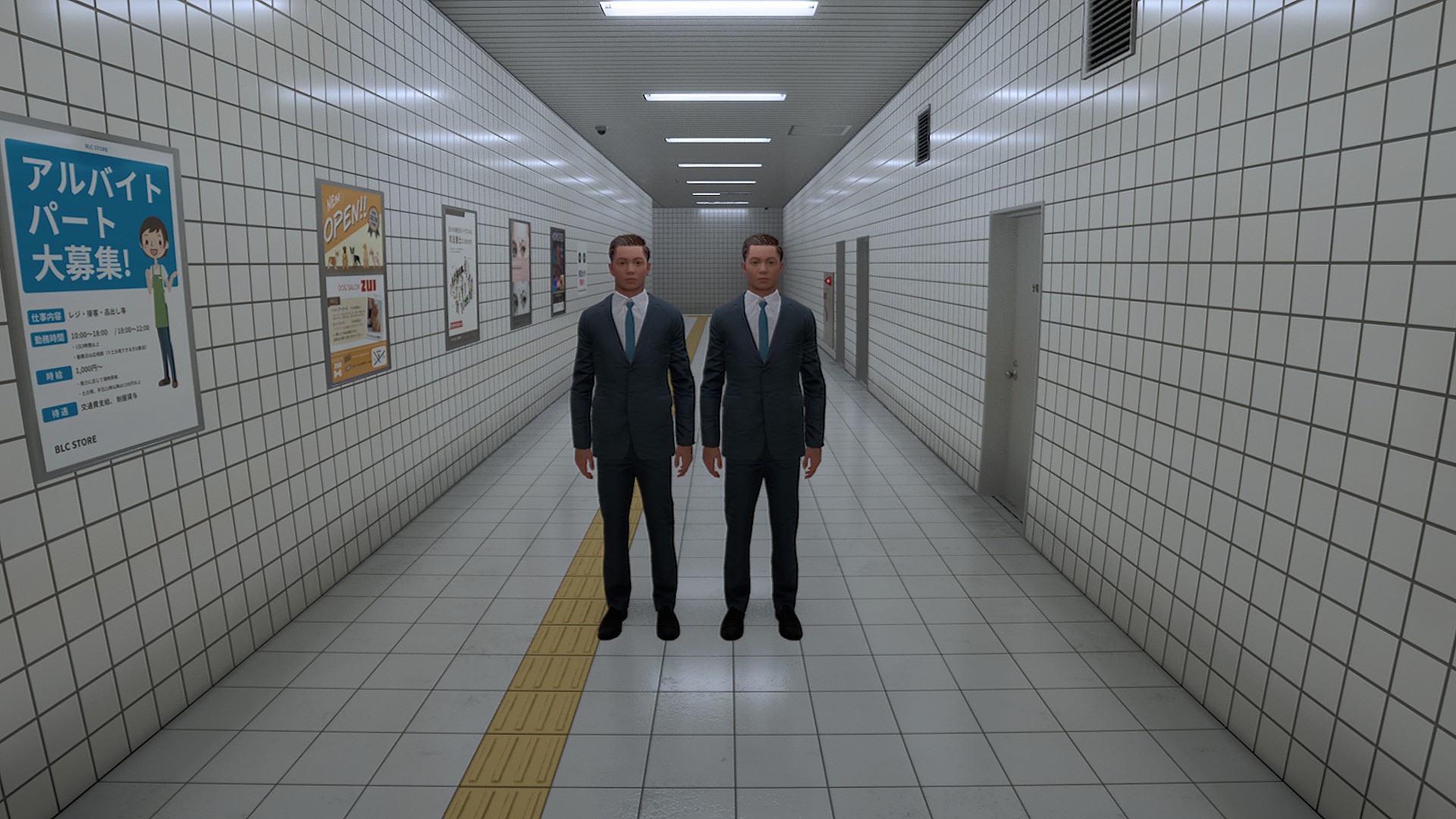
In PT your goal is always to get through the door at the other end of the hallway, sometimes solving a puzzle or avoiding Lisa the Ghost along the way. In The Exit 8 you have more agency, but thankfully it’s reduced from Observation Duty’s “too many options” to a binary: if the hallway looks normal, you walk straight through. If there’s an “anomaly” in the hallway, you turn around and go back the way you came. Whichever direction you go, you end up in the next iteration of the hallway. If your choice was correct, you gain a point – indicated by a sign on the wall, where points are represented by how close you are to “Exit 8”. If your choice was wrong, then you’re reset back to zero points. The theming is a hallway in a subway station. A man is walking the other way down the hallway, and ignores you in most cases. “Anomalies” vary from very obvious things like the tunnel suddenly being flooded with water, or a pair of Japanese businessmen standing in the middle of the hallway, to much more subtle things like the posters on the wall slowly growing, or the normal maps on some of the floor tiles being replaced by spooky faces. In the majority of cases, you’ll either see something wrong and turn around, or you won’t see anything wrong and keep going, hoping that the points sign will be incremented rather than reset to zero. In a few cases, you get “caught” by something and the screen goes white, and then you’re back at the sign and it’s reset to zero. Once you successfully pass each anomaly, it will no longer appear, but if you fail to identify an anomaly it will get shuffled back into the list of hallways.
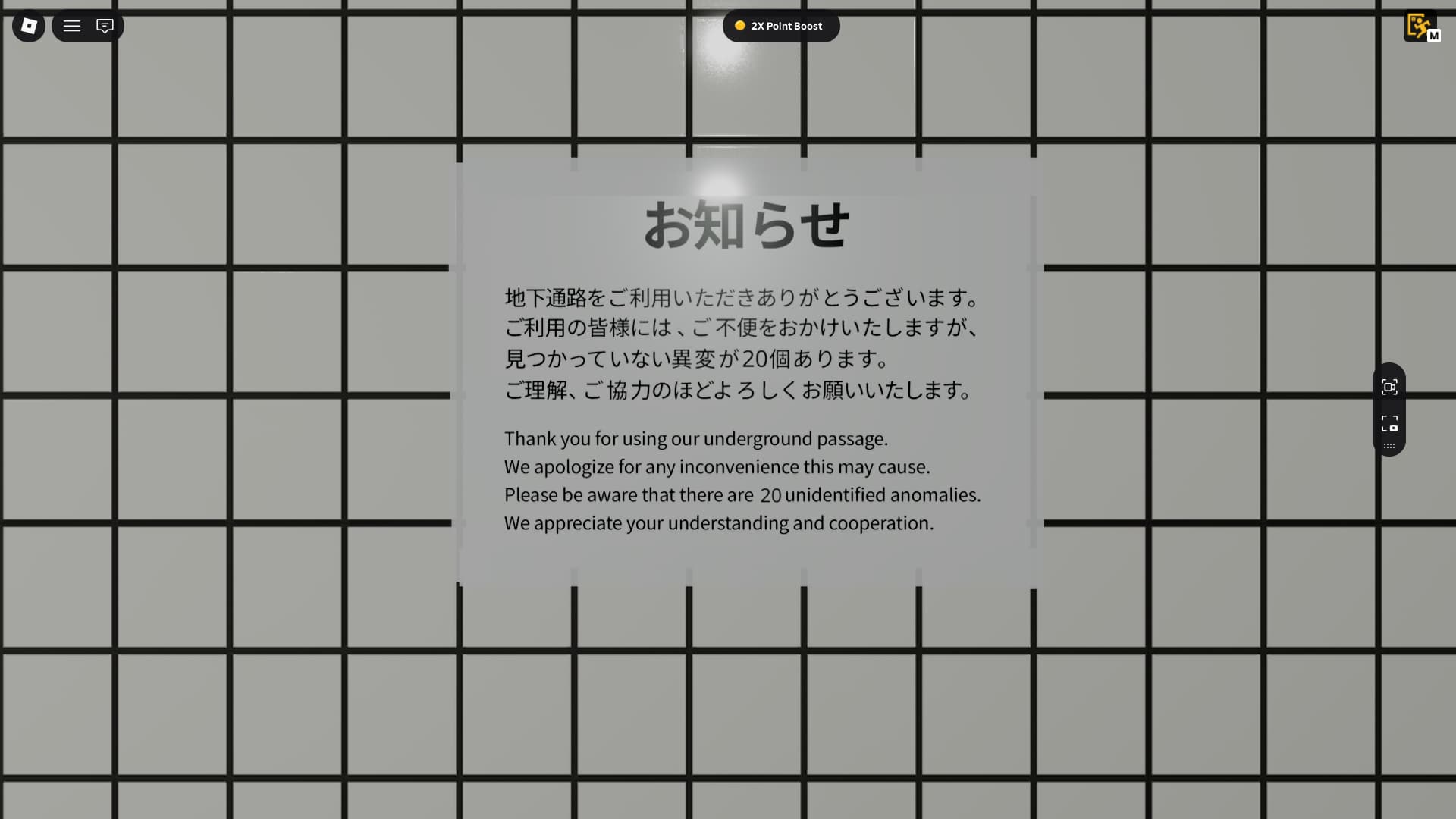
Once you get to 8 points, you get the normal ending of the game. You are then told via a diegetic sign how many anomalies you have not passed (either because you failed them or because you reached exit 8 before they came up in rotation). You can then continue the game, trying to pass the rest of the anomalies, and the sign updates to show you how many are remaining. Once you finish all of these, you get the “true ending”.
The Exit 8 was made by one person using a lot of stock assets, and it shows, but it’s handled well and became so popular that it spawned this whole “anomaly walker” sub-genre, and a feature film(!!).
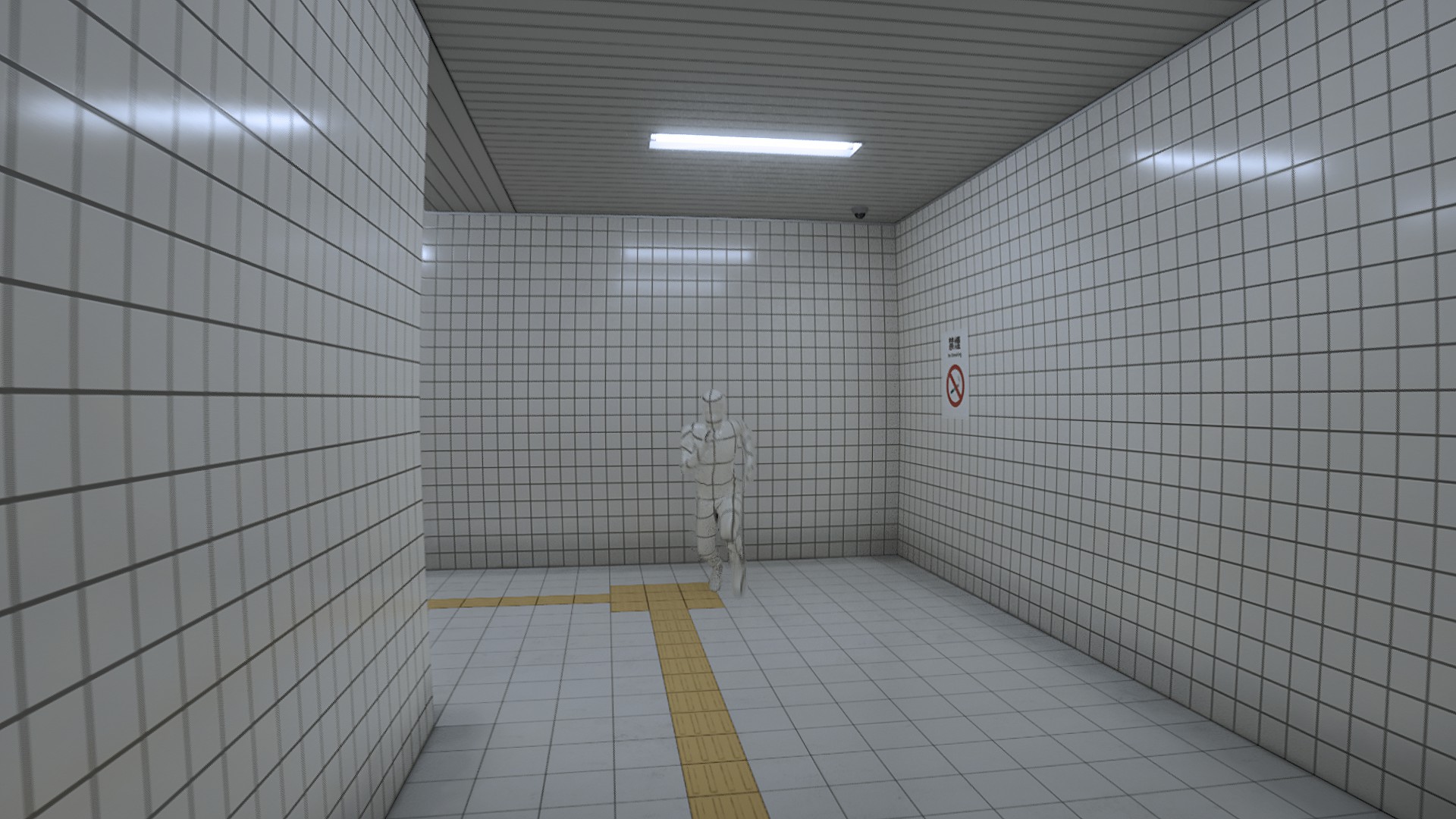
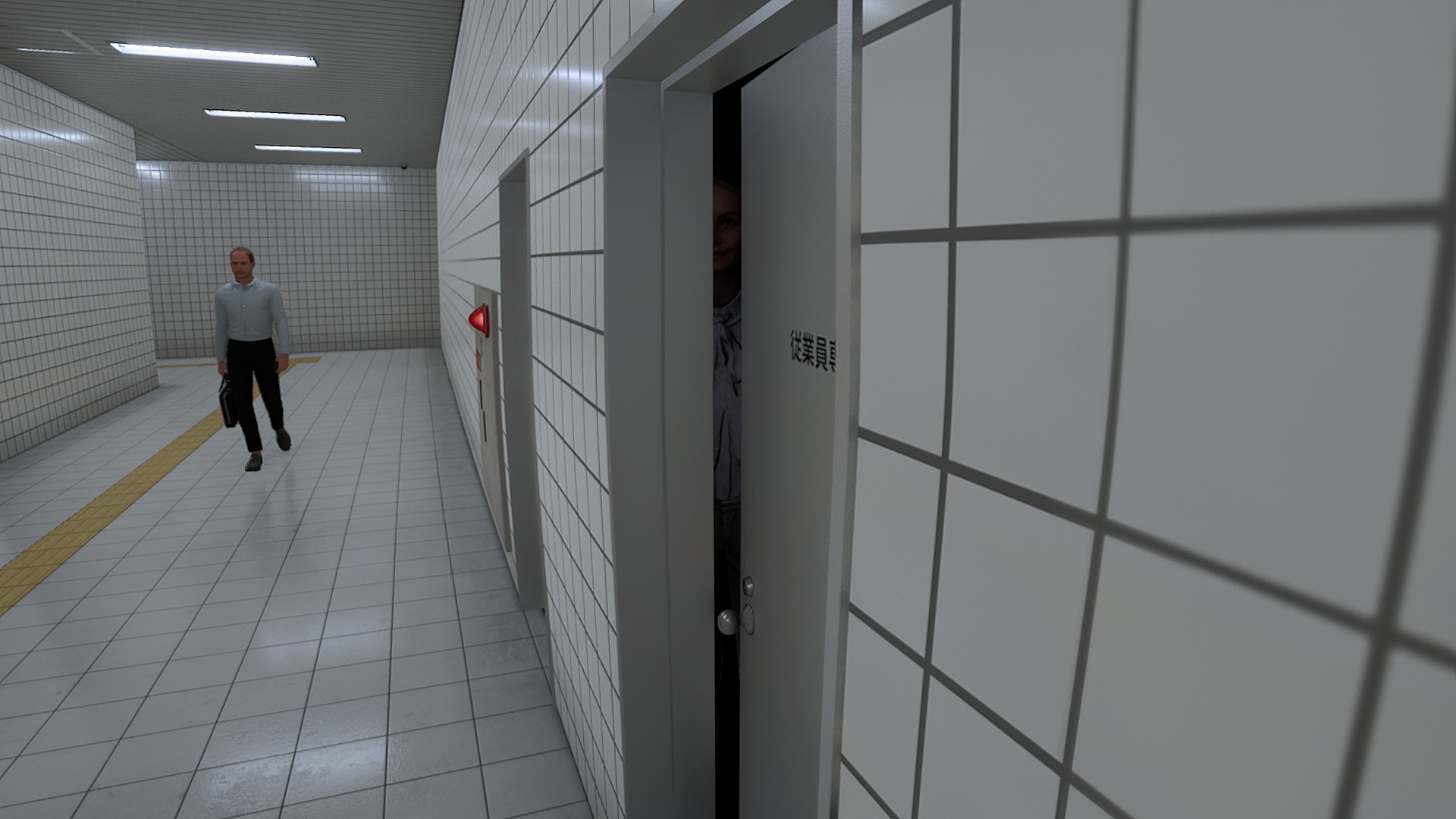
To recap: The core mechanics of Exit 8 which subsequent anomaly walkers more or less inherit are:
- PT-style repeating area
- An NPC in the area who ignores you
- One “normal” version of the area, presented about half the time, and many unique “anomalous” versions presented the other half
- First-person with minimal controls: walking, turning, and run (no interaction button)
- Binary pass / fail system, triggered by either going straight to mark an area “good”, or turning around to mark an area “bad”
- Score that increases on every successful choice, and resets on a failed choice
- Anomalies are removed from the rotation once you successfully mark one “bad”
- Normal ending when you reach 8 points
- More game after normal ending with “anomalies remaining” indicator
- True ending for correctly marking all anomalies “bad”
- No HUD: all progress (score and remaining anomalies) are presented diegetically
On to the other games! The Exit 8 was released in Nov 2023, and rather than going chronologically, I’m going to list these games based on how closely they follow the above core mechanics.
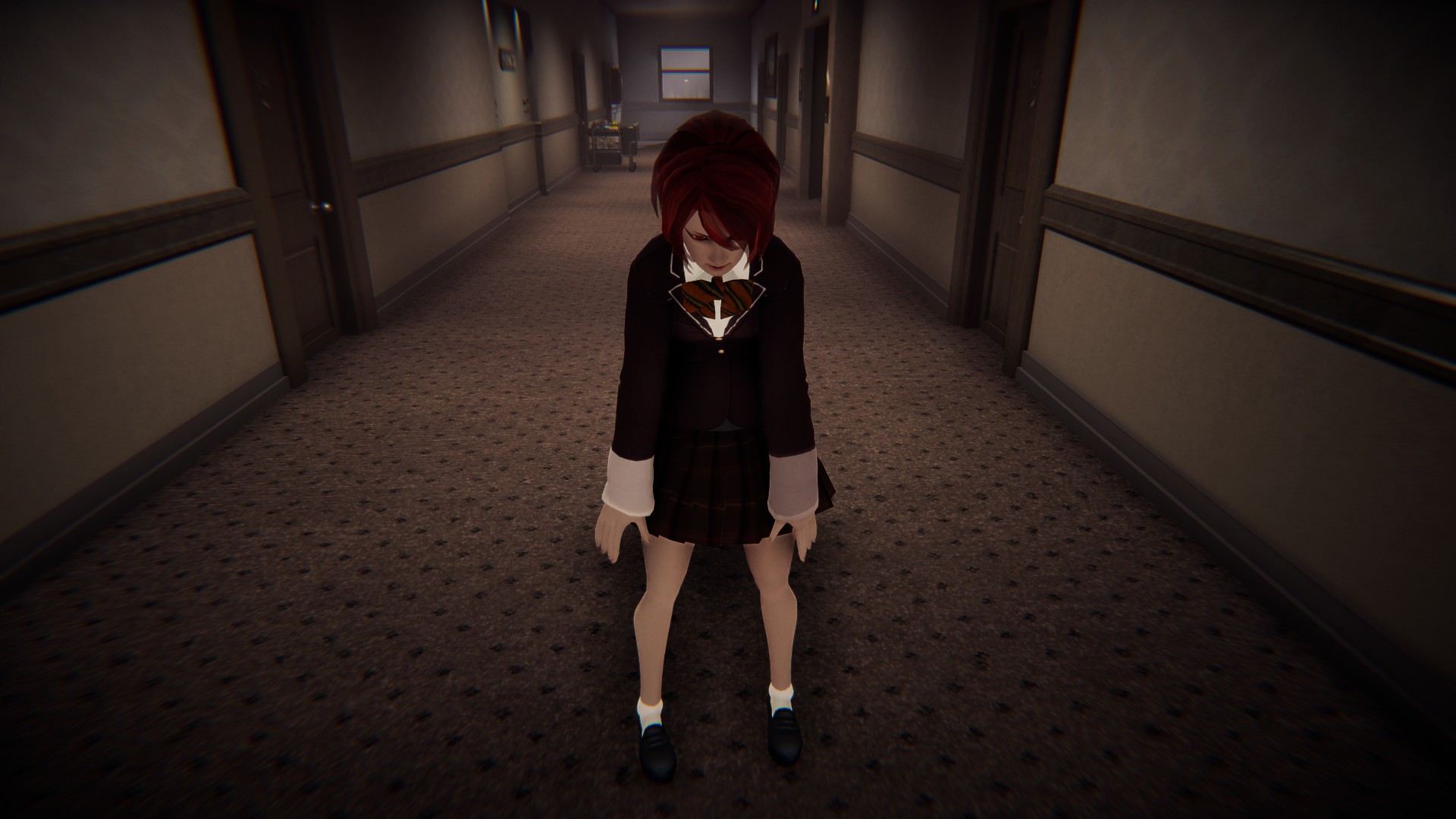
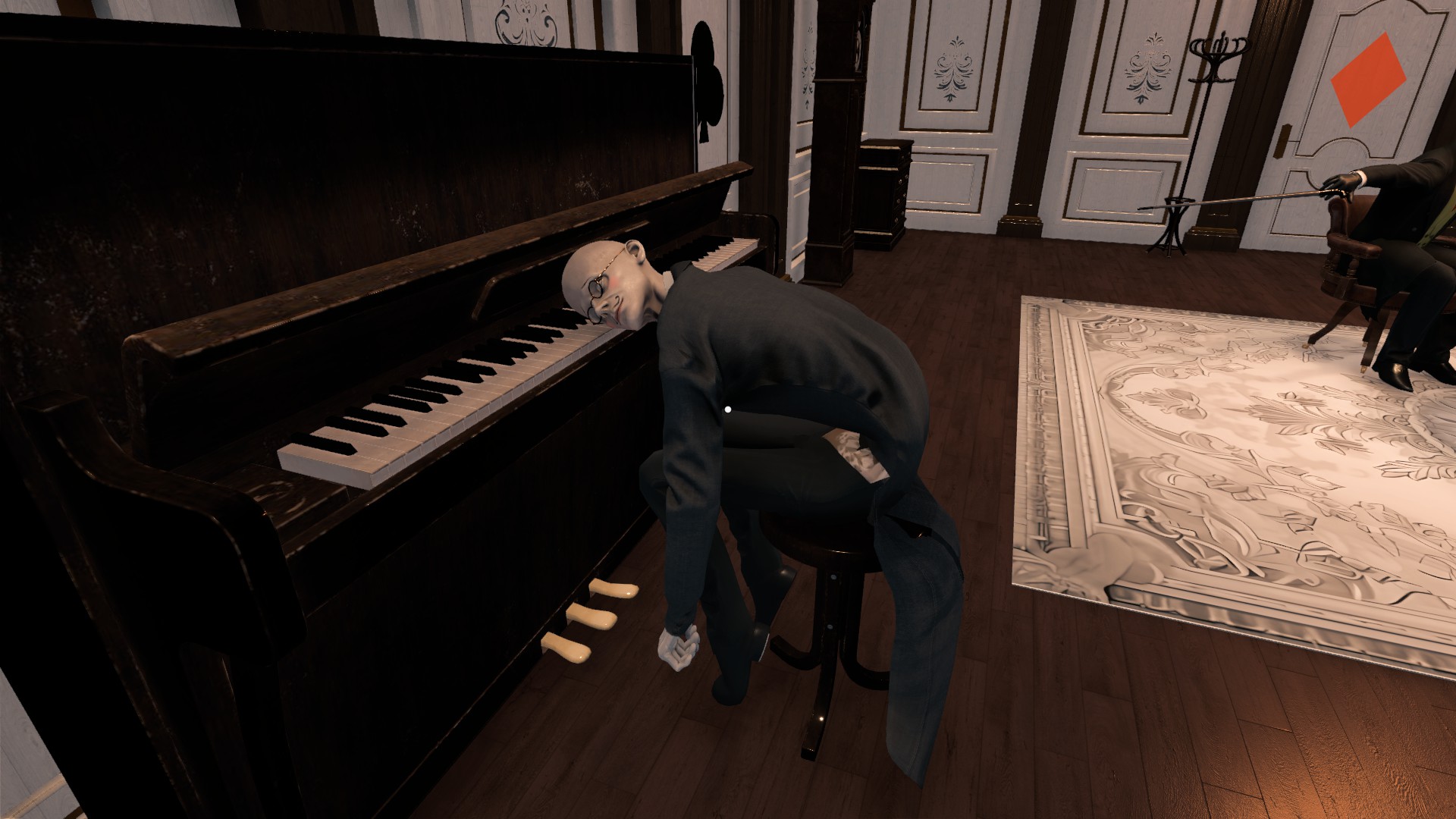
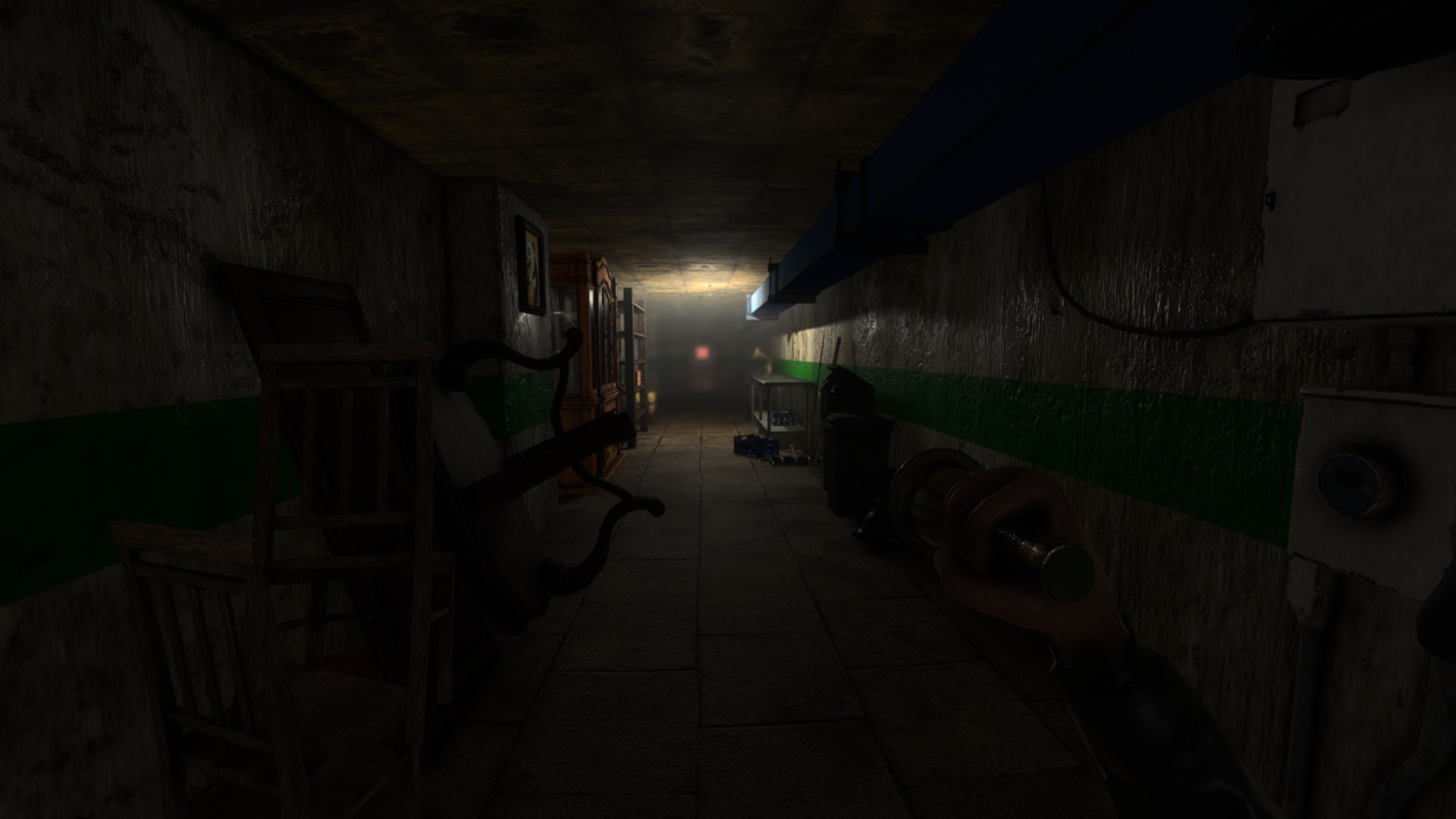
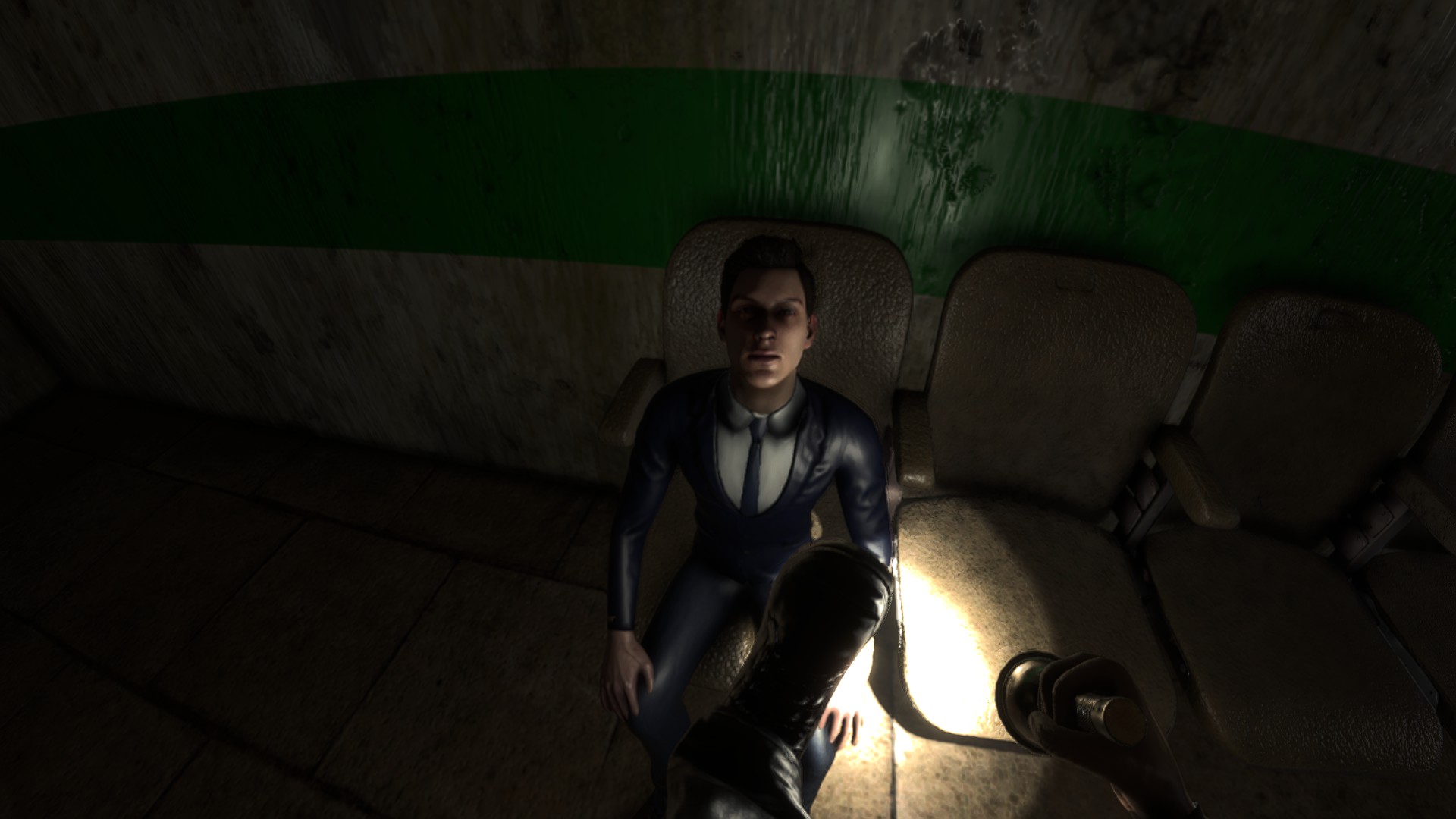
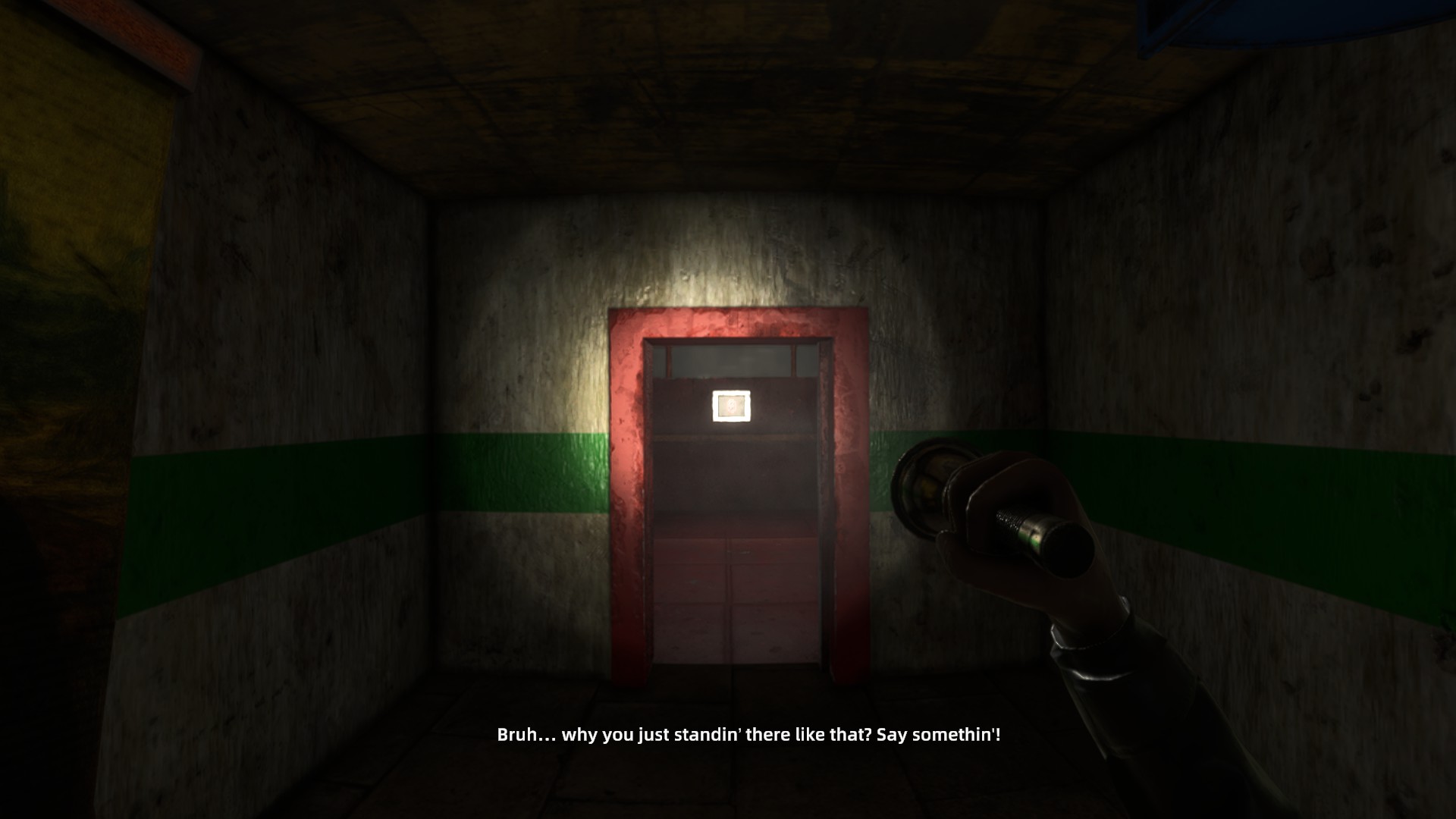
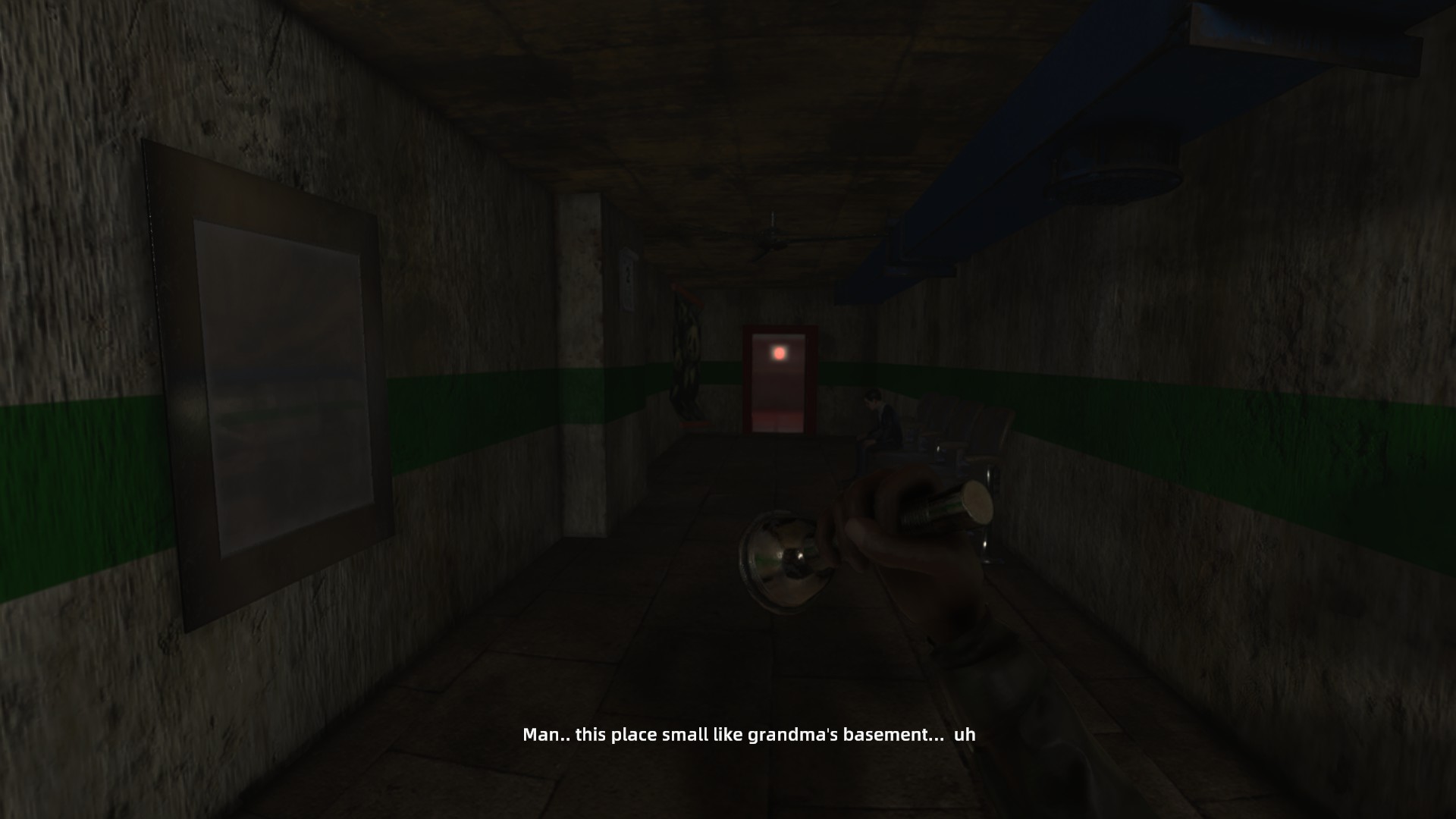
Ten Bells (Aug 2024) is set in a late-19th-century pub. The pub is the largest and most detailed setting of all of these games, spanning two big rooms and a hallway. It’s also the most jumpscare-heavy of these games; you are told from the get-go that the pub is haunted, and most of the anomalies relate to the ghost and the narrative of how the ghost died.
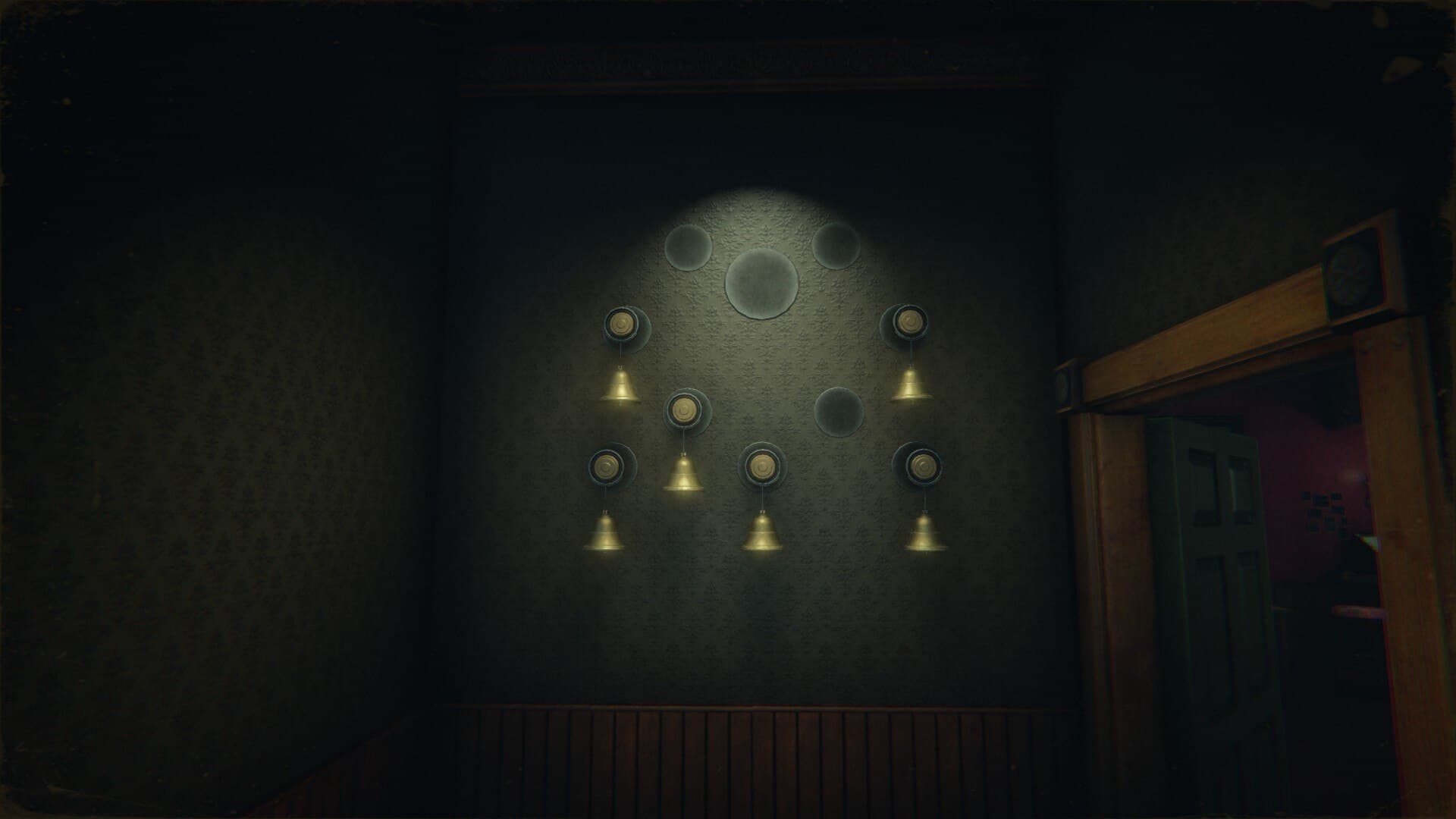

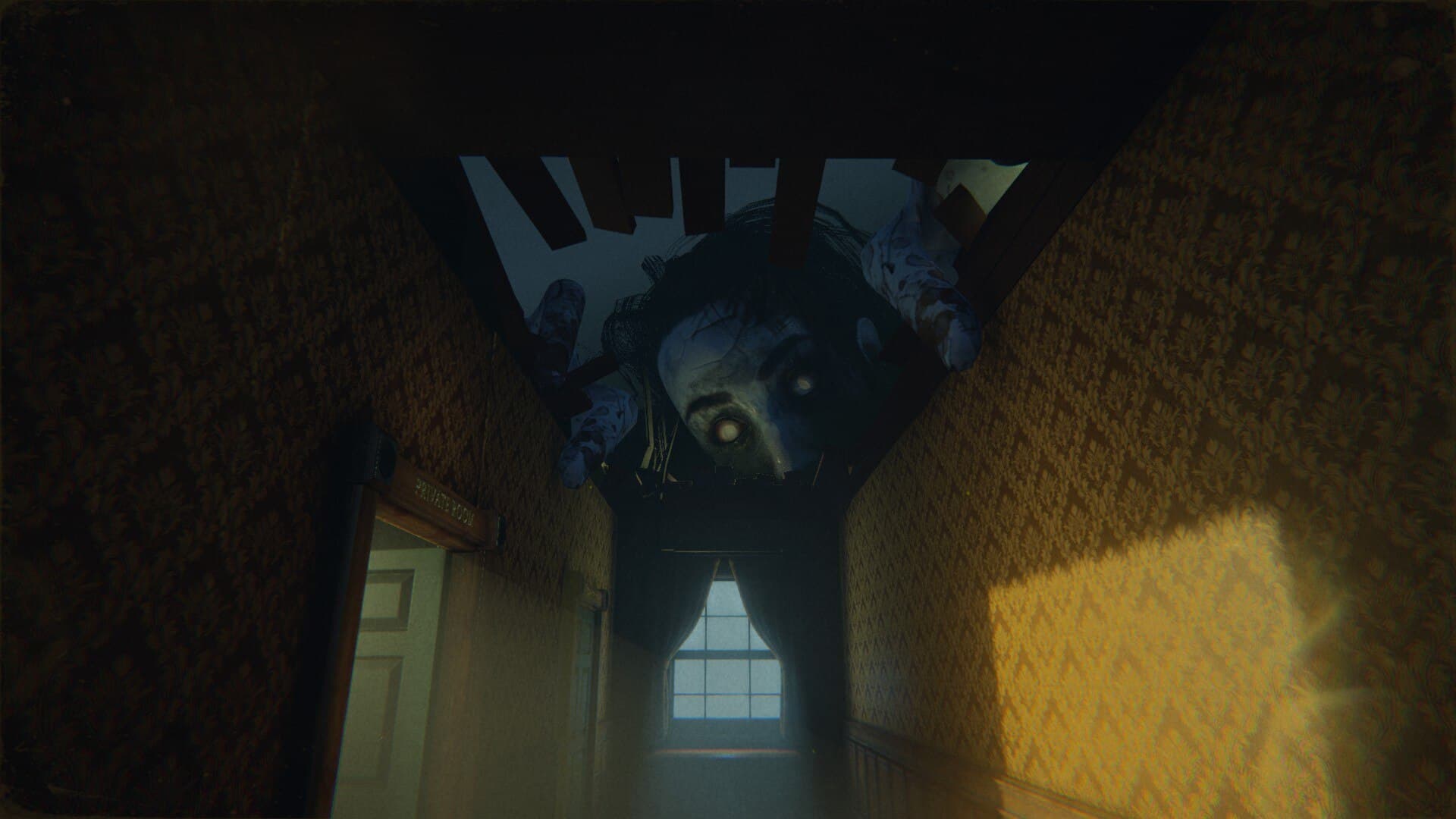

Gameplay differences from the norm are:
- You need 10 points to win instead of 8
- There are 2 people in the area who (normally) ignore you: a bartender and a maid
- The first time you reach a new point threshold, you unlock an object in the lobby area that tells you a little more about the story.
- The anomalies are all named, and after you get the normal ending, rather than just a number you are shown a list of the names of all of the ones you’ve completed, with “???” shown for uncompleted ones (it would be nicer to show the names of the uncompleted ones, since their names are indirect references to what they are, and would serve as a hint to where to find them)
Ten Bells also has a “nightmare mode” that I haven’t tried yet, which includes the anomalies that were cut, mostly for being too subtle.
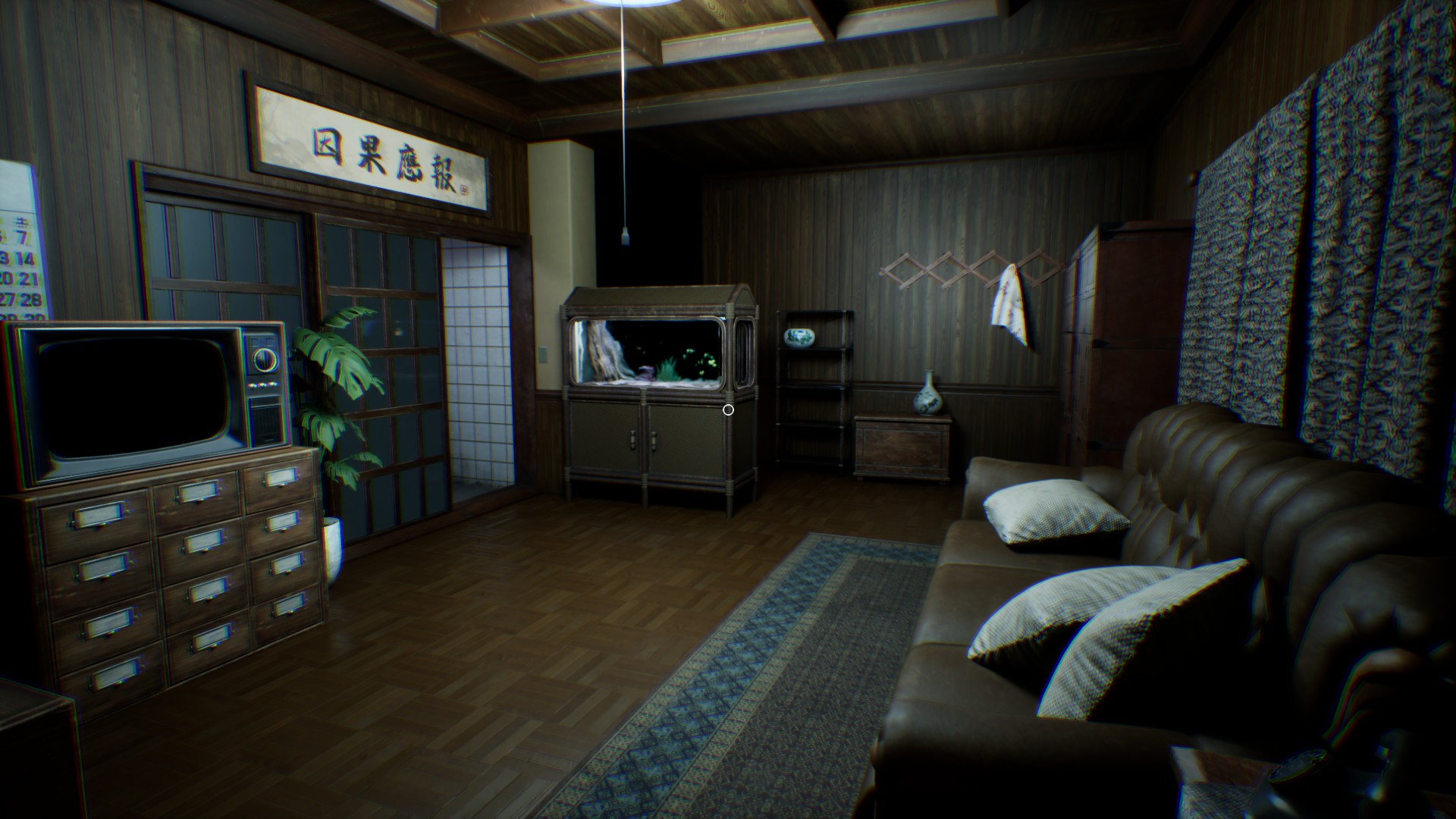
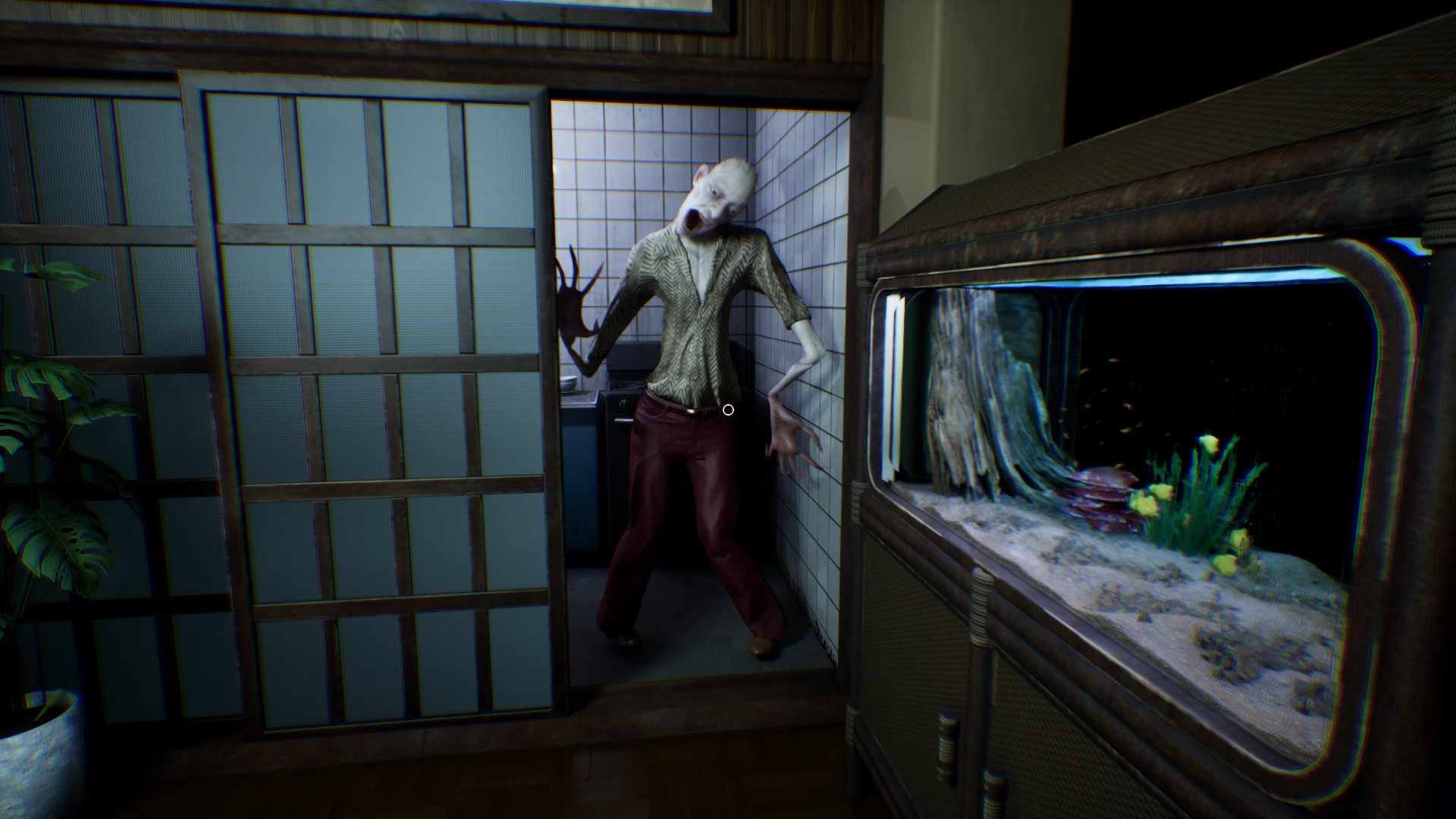
The next closest game – and my favorite – is The Cabin Factory (Dec 2024). This one was on my Steam wishlist for a long time, and it honestly looked like gimmicky garbage from the steam page. But I got it in a bundle with The Exit 8, and was shocked by how good it is.
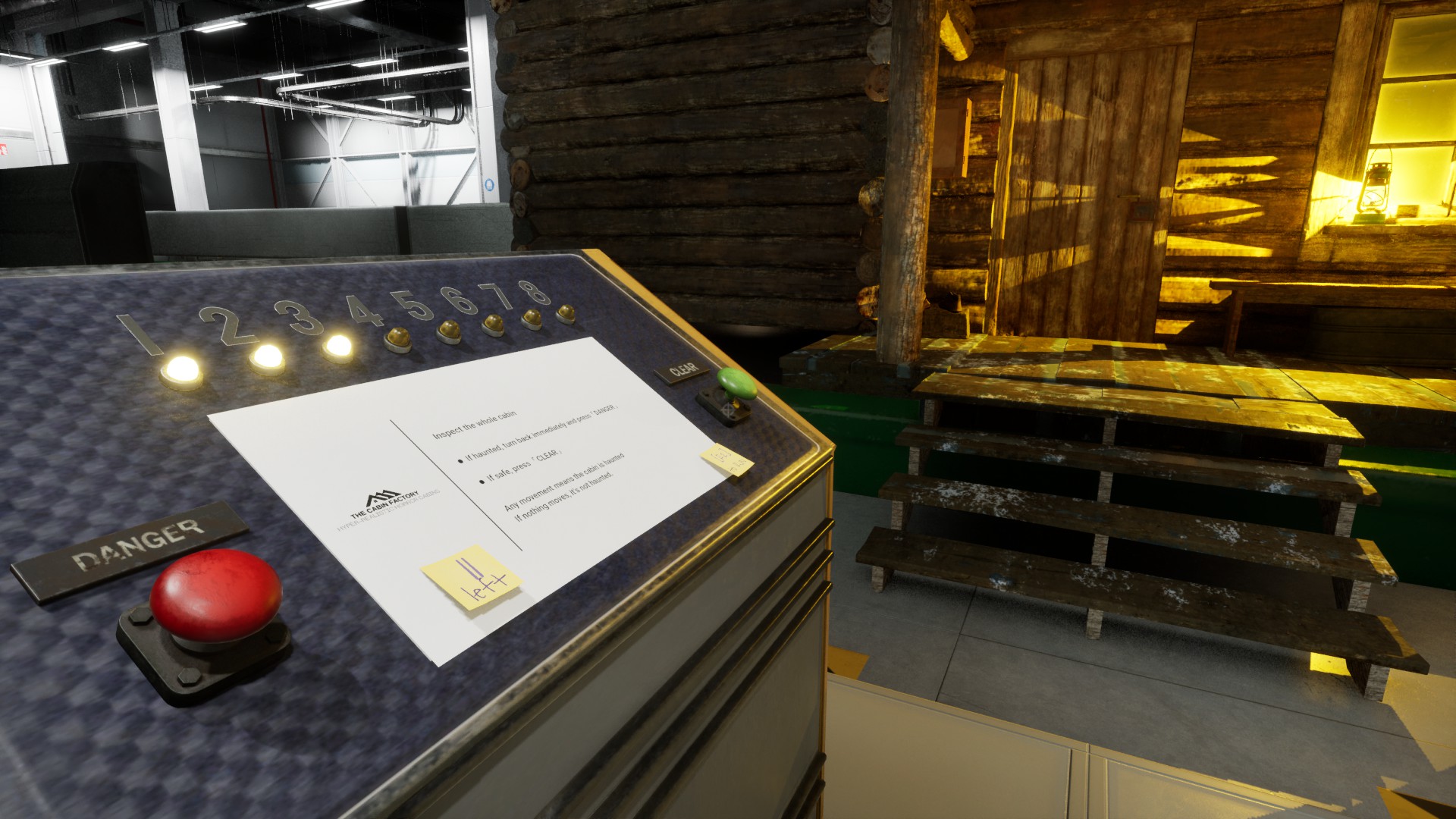


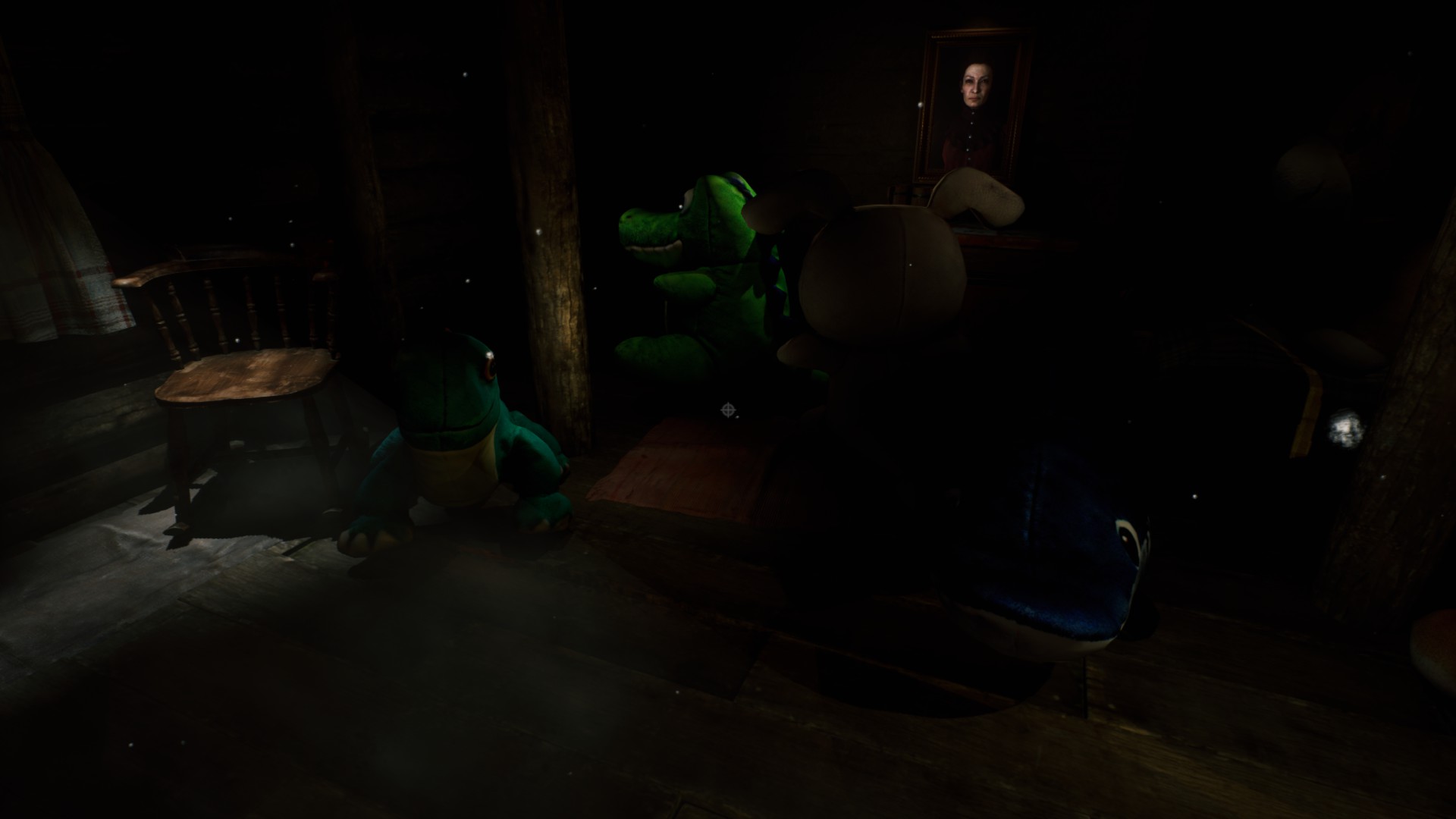
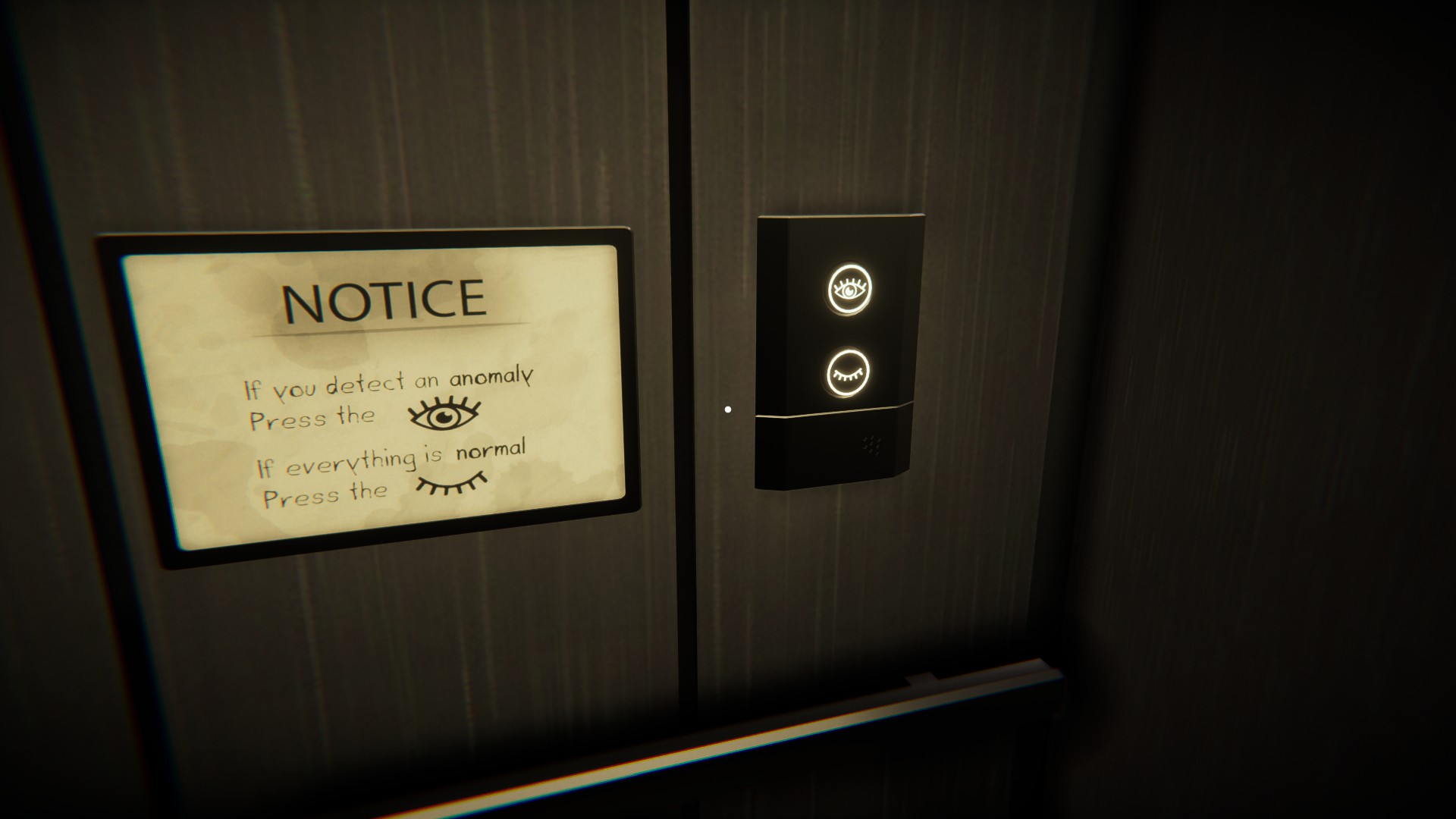
As usual, you get the normal ending at 8 points, and then it tells you how many anomalies are left, and then you finish all those and get the true ending. Rather than walking down a repeating hallway, each area is a structurally-identical cabin that comes down a giant conveyer belt, and you mark a cabin good or bad via buttons on a control panel near the front door of the cabin (using an interact button, although this is the only place in the game where you use the button). Points are indicated by lights on the control panel, and the number of remaining anomalies is on a sticky note on the control panel.
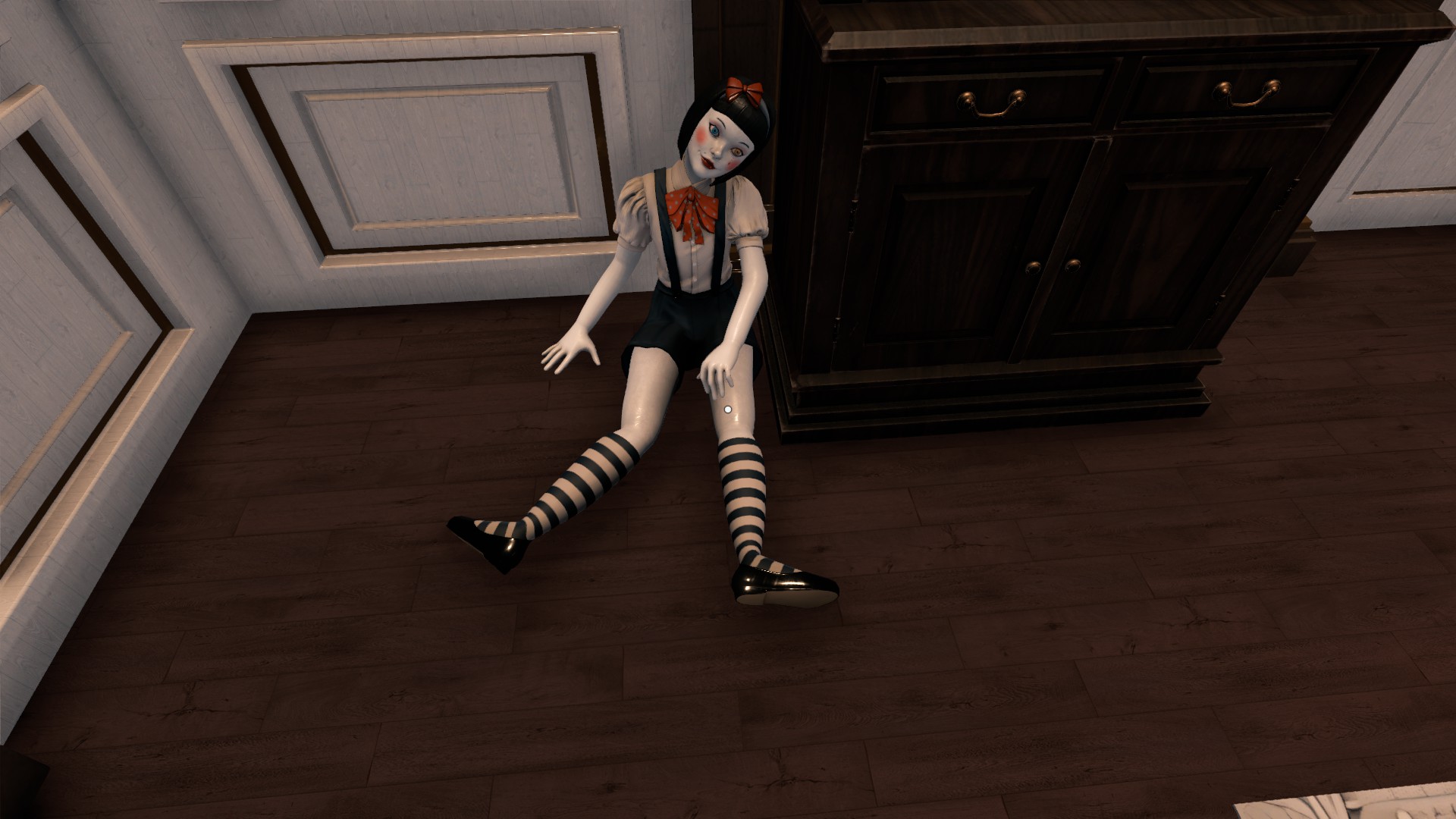
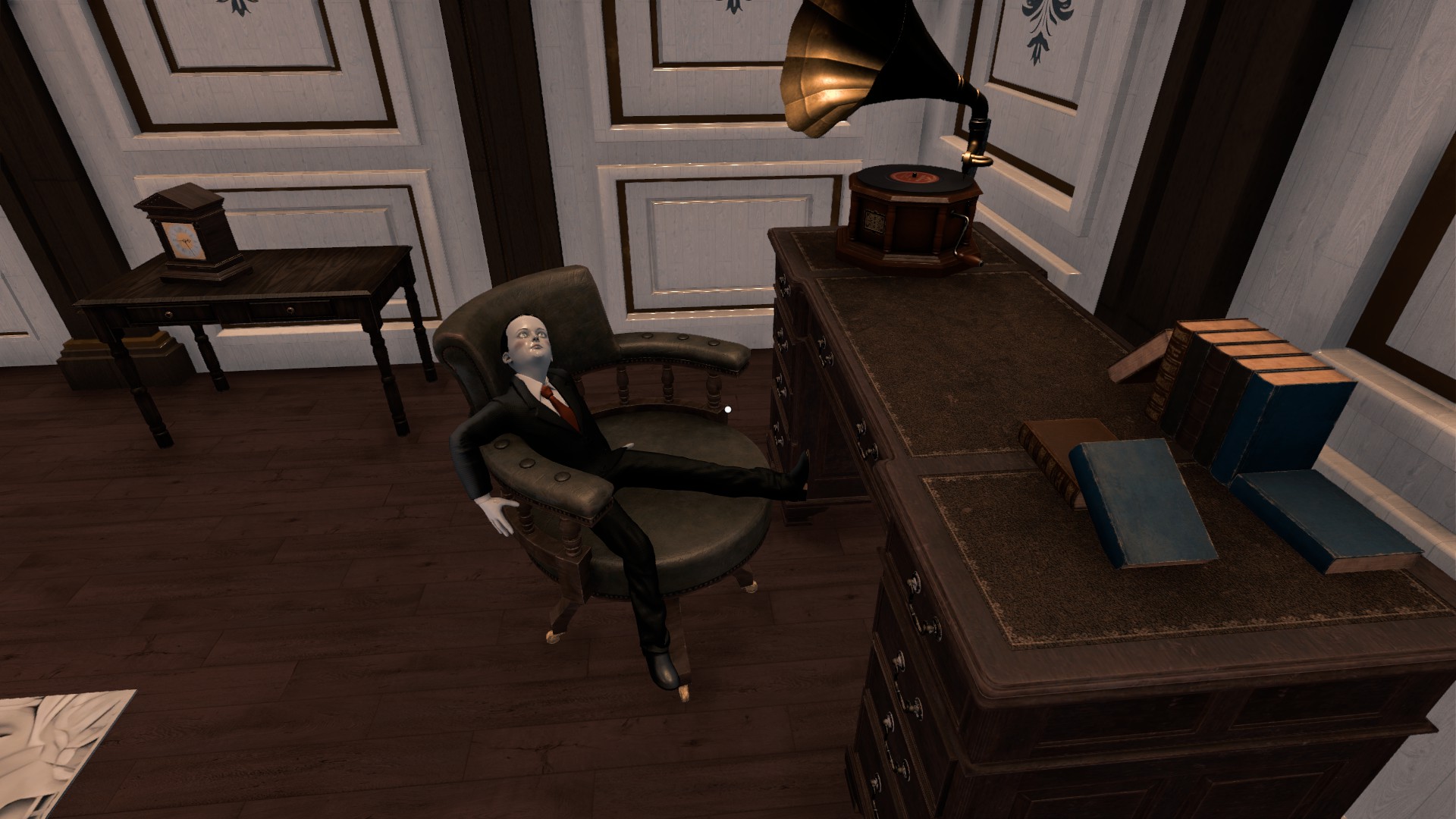
What sets The Cabin Factory apart is that it tweaks the good / bad criteria: regardless of how different a cabin looks from the baseline, it’s still good unless something moves, either while you’re watching it, or while your back is turned. Thus the game can present a wide variety of creepy tableaus that can differ significantly from the baseline but still be “good”. This keeps you nervous and on your toes, and creates an extra level of surprise when you’re staring intently at a character to see if they’re moving, and they suddenly spring to life and start chasing you.
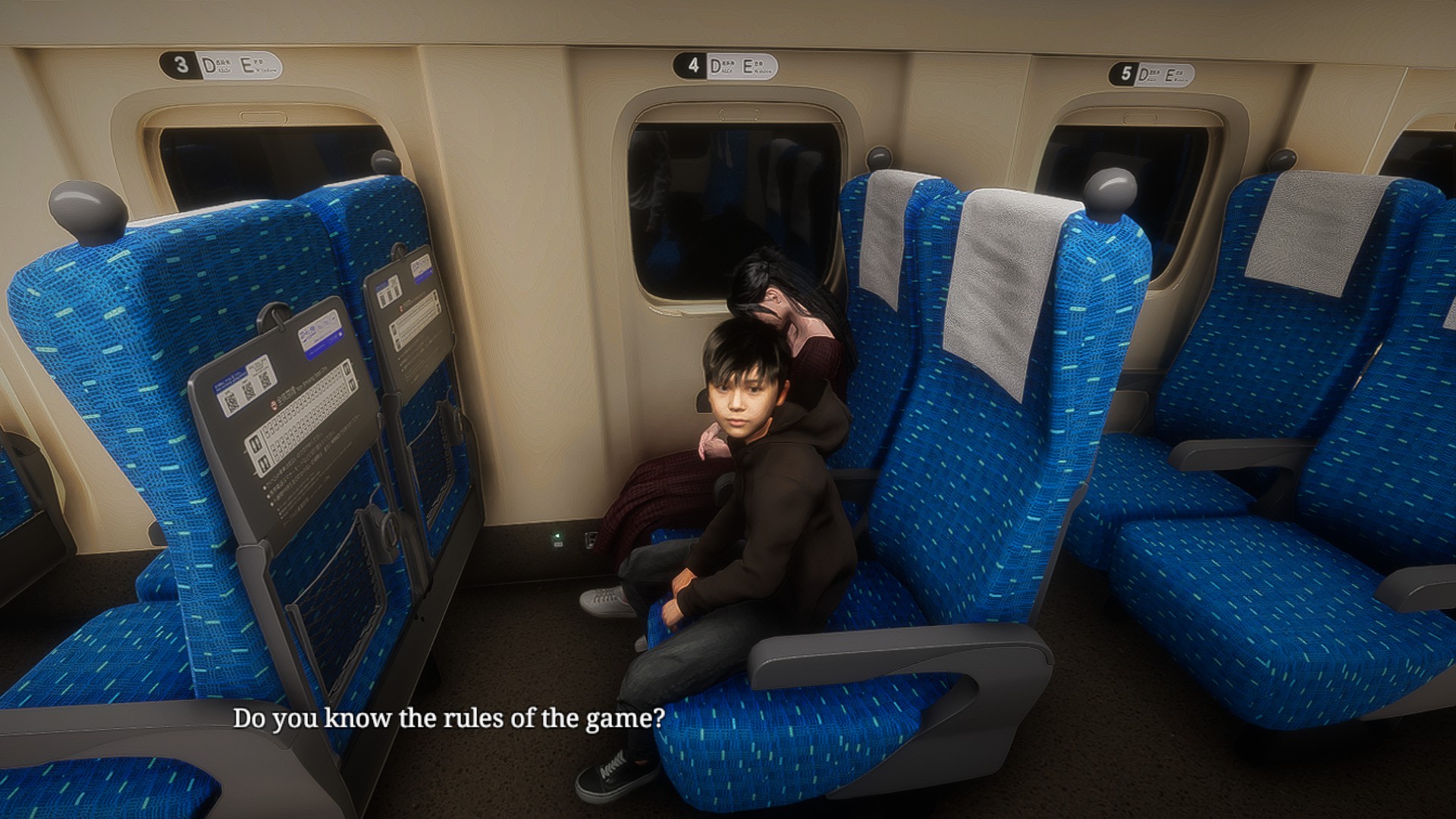
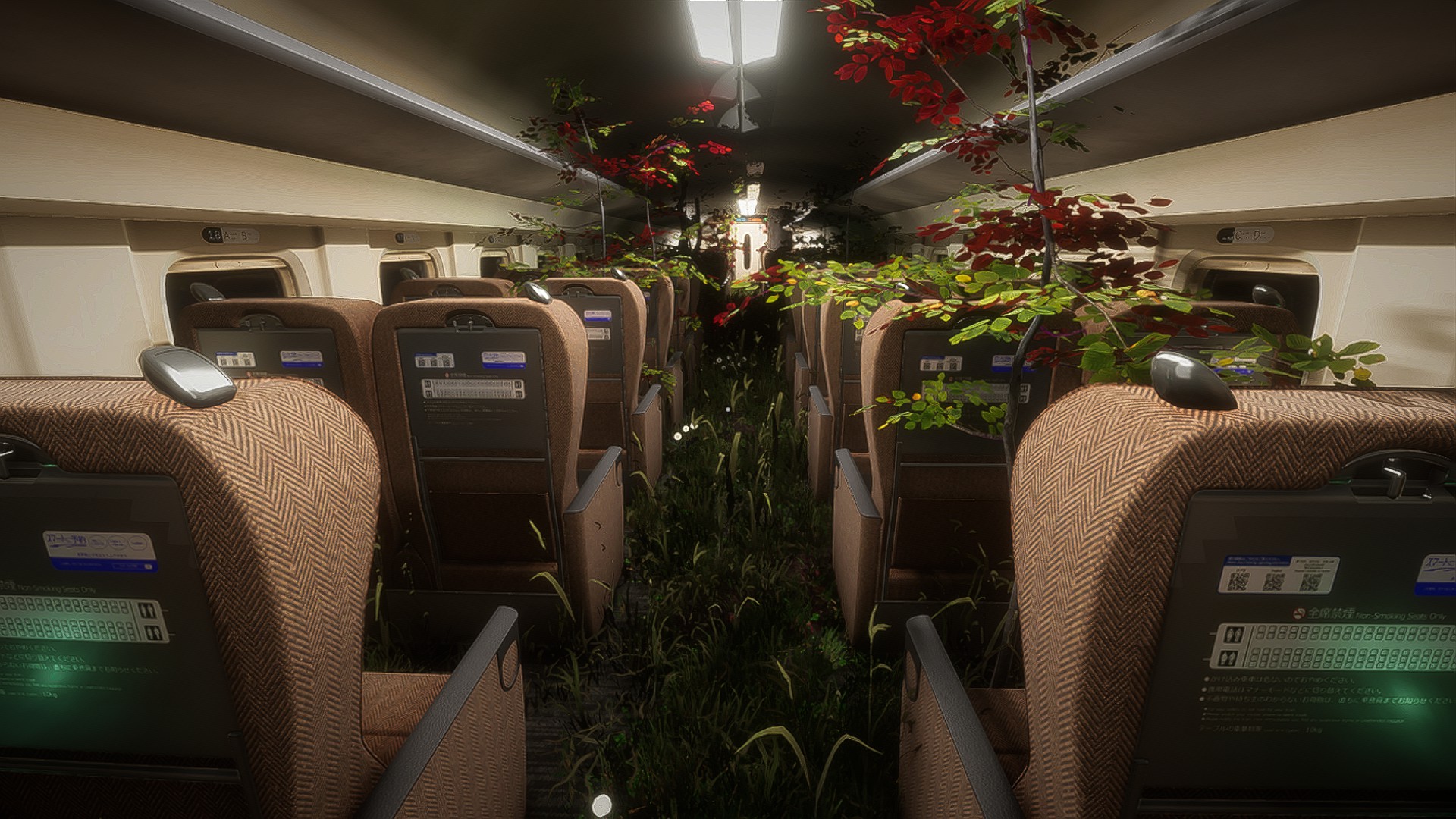
The most different “anomaly walker” from The Exit 8 is its direct sequel, Platform 8 (May 2024). It’s set on a subway train, and the repeating area is a subway car. As usual, you get the normal ending at 8 points and the true ending once you’ve finished all anomalies, but it differs from the core gameplay in a few big ways.
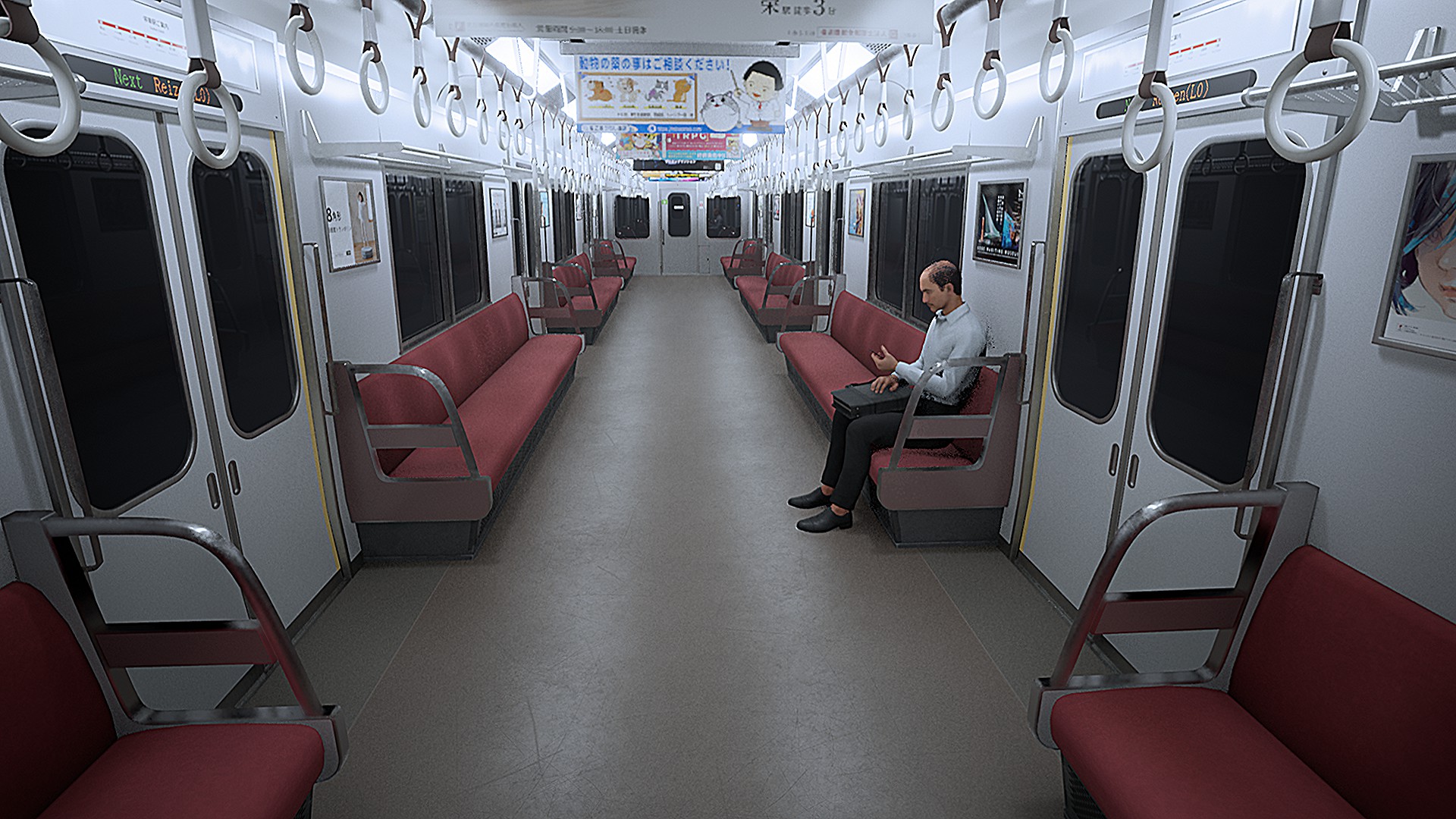
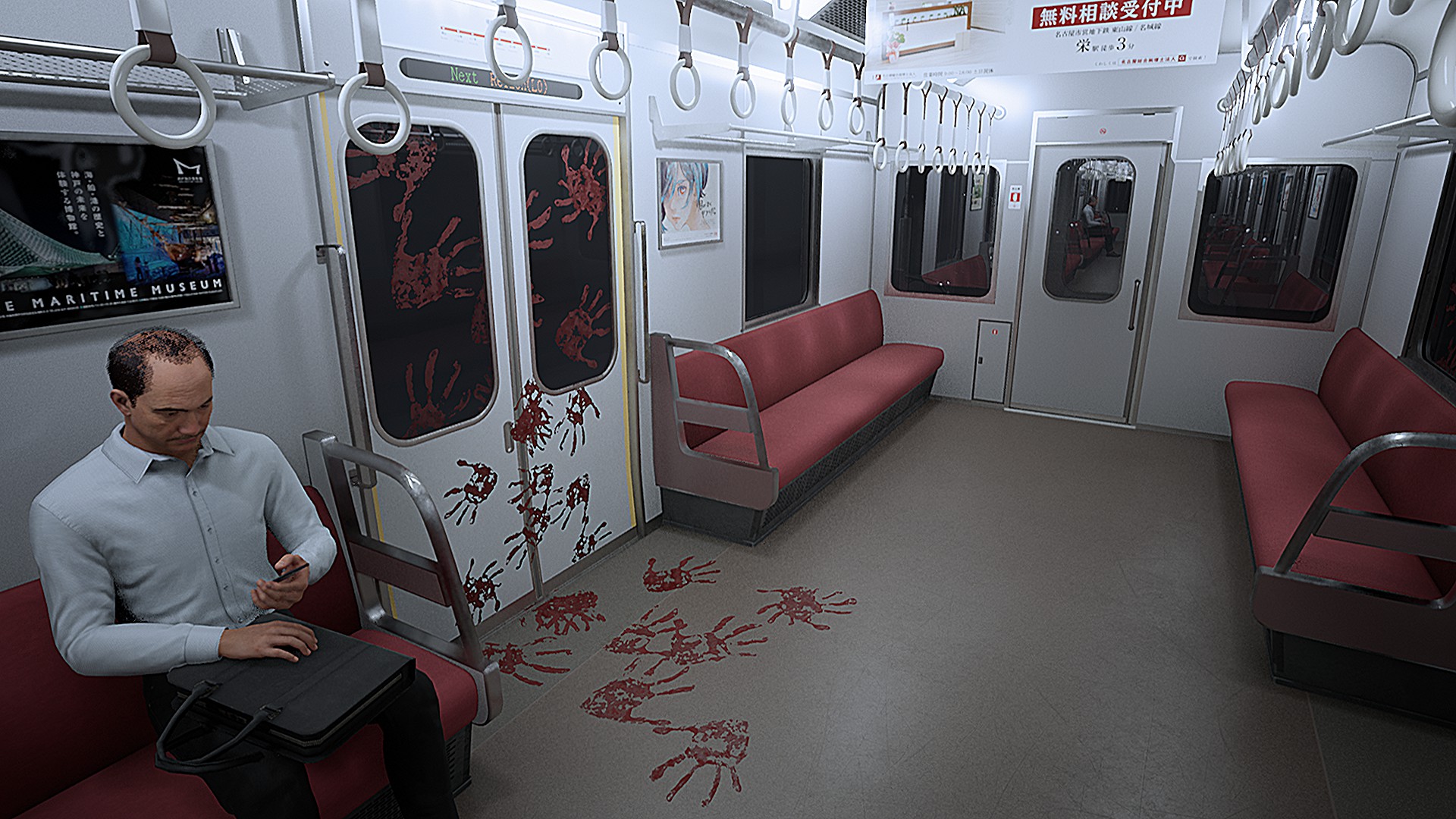
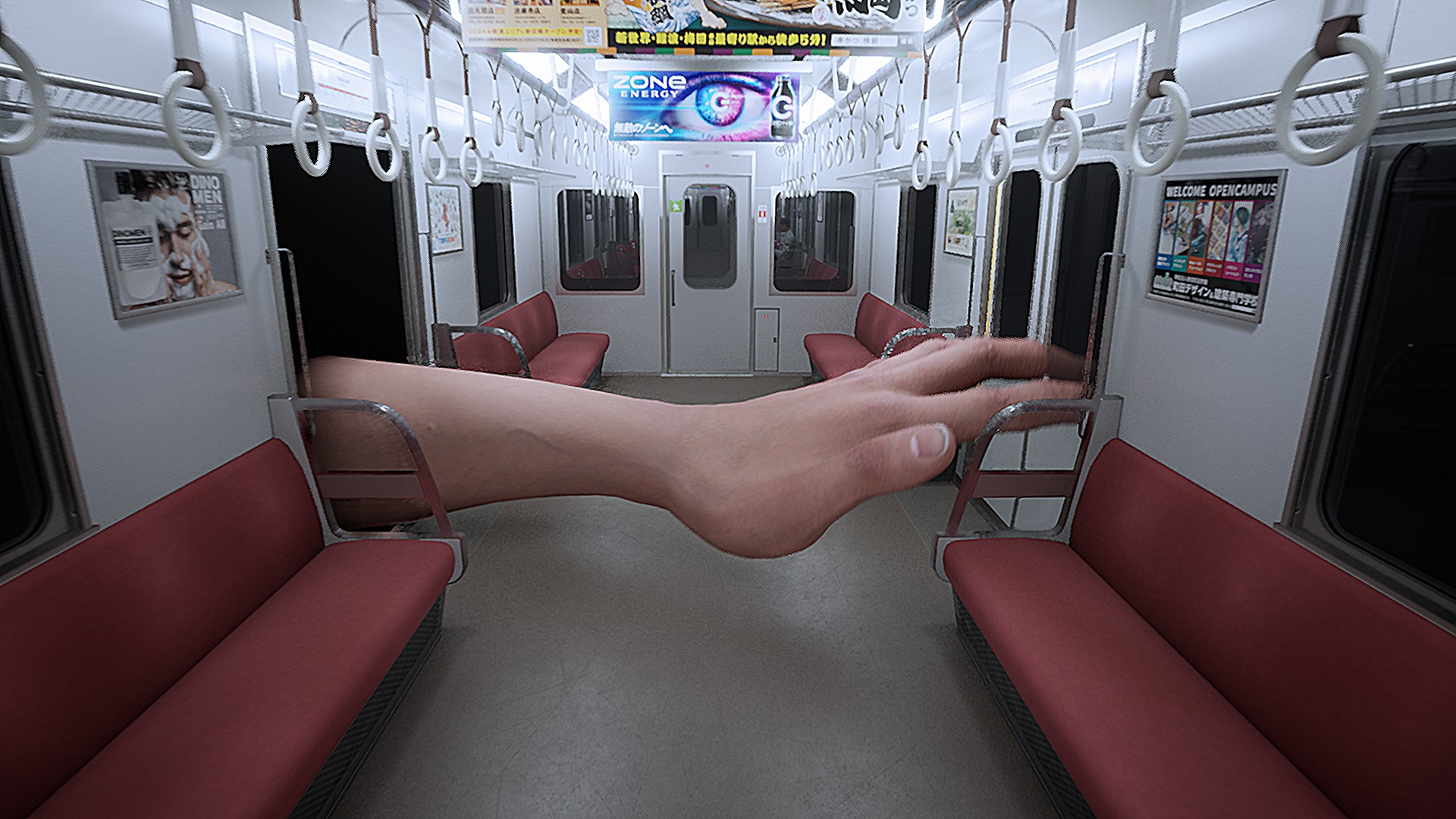
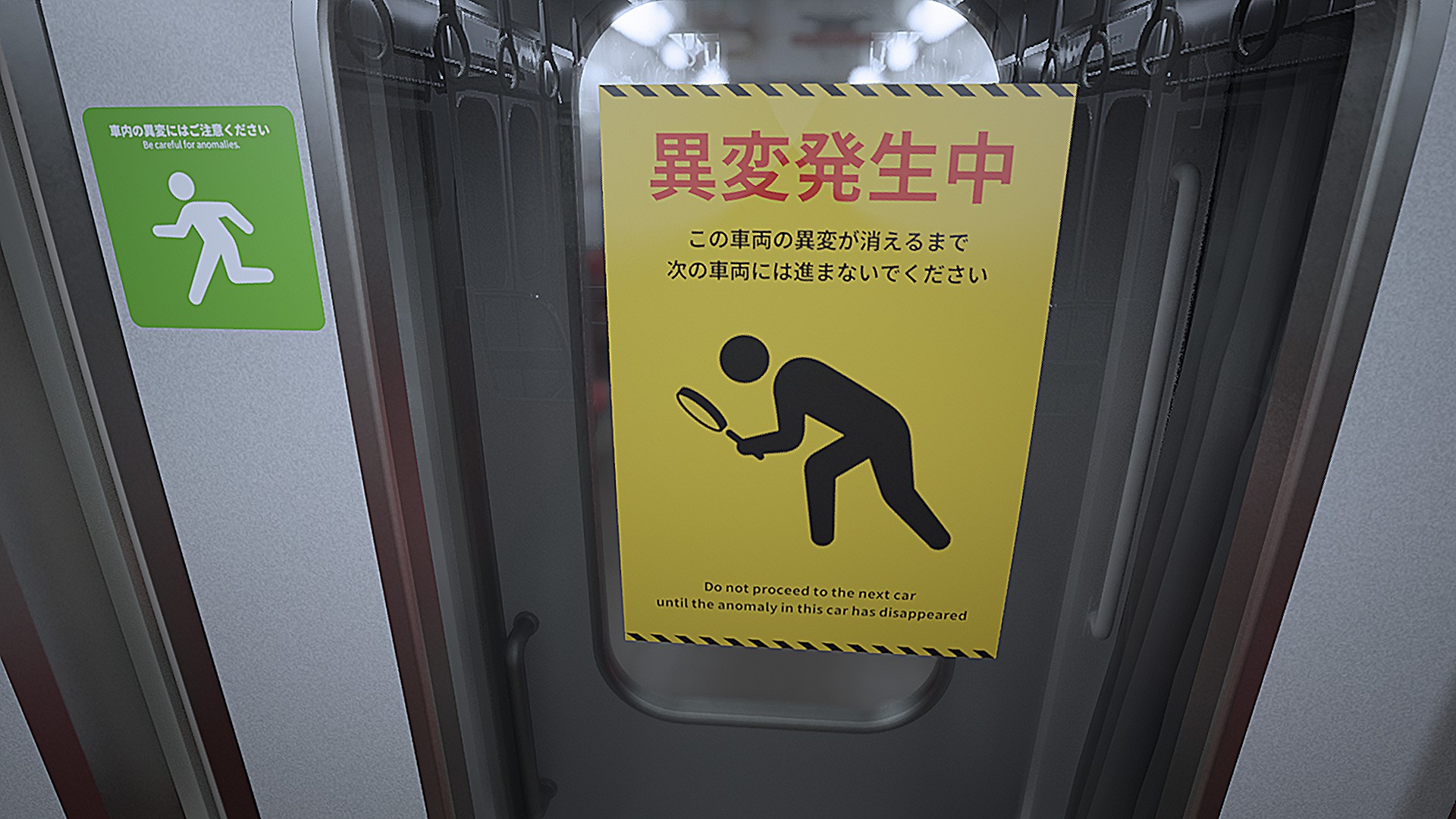
First and foremost, you lose the agency to mark an area good or bad. Instead – like PT – your goal is to get through the door at the other end of the train car. Some of the anomalies are purely cosmetic, like the overhead lights flickering or bloody handprints appearing on the walls. Others require you to “spot the creepy thing” in the train car – there’s no fail state to these ones, you just can’t progress until you spot the creepy thing. Many of the cars, however, have monsters in them, and if the monster catches you you get a little jumpscare, which comprises the only fail state that makes you start over from zero. As such, Platform 8 takes most players much less time to complete than The Exit 8, where you’re carefully scouring the area for any subtle anomalies, and then holding your breath as you turn the corner at the end of the hallway to see whether your score has increased or reset.
Platform 8 also has an interact button, but it’s only used to open the door at the end of each car, and in some cases to sit down.
So these are all the “anomaly walkers” I’ve played so far. Check them out! They’re a lot of fun! And they’re all less than $3 each which is a steal!
If you know of any others that aren’t on this list, please tell me! Since I’ve just made up the sub-genre “anomaly walker” and there isn’t even a tag on steam for “anomaly” games in general, it’s hard to find these games on my own.