videogame things you think about a lot

I just don’t find in practice the latter to be too much of a problem, but it could be I’m just less concerned with that stuff. I’ve worked on a bunch of indie games with different studios and my primary takeaway is that people have an awful lot of ideas about what is or is not commercially viable while in reality commercial success looks much more random than people think.

I’ve found certain things to be true, like that not having a distinct identity or feel to your work isn’t always the kiss of death but it can make it tough to get noticed, etc., and that can be a big deal.

But mostly what I’ve found is there’s very little pattern to what succeeds and what doesn’t. A lot of it is just the vagaries of public attention, plus access to all the stupid little platforms and organizations that you need now to get eyes on your work. I’ve seen I feel almost every scheme or concept of what makes a “commercially viable work” both succeed and fail at this point. The public is fickle.

I feel like 2008-2012 indie games was kind of always about this back and forth of, you know, how much do you need to compromise your vision? How much do you need to sell out? But sitting here today I feel like my favourite work that’s out there has mostly just side stepped this issue completely. I think this is a problem that can make you crazy, or set you up fighting a lot of big forces and trends that don’t exist or don’t matter.

I think in a lot of ways the best thing for me was to work on a ton of “surefire hits” entirely designed by “market geniuses” with no real ideas or drive to create or personal will—people who felt that making games was itself a game, one about optimization and mimicry and glad-handing and reading all the books called like “Thinkgood: hack your brain for fun and profit, by Dr. Genius Smartington”—and then watching every single one of those titles instantly plummet off a cliff into obscurity. None of them made their money back. Some made literally tens of dollars—like no-name “I just released my hobby game on Steam” amounts of money.

I still got paid, which was good, and usually I managed to get out when the writing was on the wall and not get stuck in the layoff wave.

But it really disabused me of the notion that it’s worth ever thinking that you know what a commercial success looks like, much less that you can engineer one. So when people now talk about commercial compromise I just think… I mean compromise what? For what? And why?

Commercial compromise to me now is like putting on a nice shirt when relatives are coming over. I’m happy to dress up my ideas a little bit if I need to. Fix that motion tween. Maybe get some more sound effects in there if that’ll make them happy. It’s kind of why I tell people to just always try to work on what you actually want to work on as much as you can, because you just don’t know how close to failure you really are. And whenever people are like “no, the new thing is MARKETING FIRST games, that come ready with MEMES and an ACTIVE DISCORD” you can just remind yourself that those people are months from losing their shirt anyway, just like 99% of the behavioural psych hackers and the “I must bare my maudlin suburban soul to the public” young white indie dudes were before them.

The industry is like a really big bear. Sometimes it eats you, but sometimes it eats somebody who’s very full of themselves and that’s funny. Then those people usually go into crypto and make millions while this bear is still gnawing on my leg, so who can say.

Edit: I also think it’s worth pointing out, while on the topic of risk and failure, that it’s not so bad to fail as long as you don’t put yourself in a position where it’s going to kill you. The trick mostly is failing with somebody else’s money. Every AAA game I’ve worked on except for one has flopped, and probably half the indie games I’ve worked on flopped too. Big whoop. As long as you don’t, to bring this one back, sell your house to make your dream game (yikes), you can probably just dust yourself off and do it again.
11 Likes

I just wanna make games starring talking animals, and that’s been successful for me. I had one on Kotaku and I literally almost borrowed a fursuit head from a guy who played it. Years later, he would help me change the coolant out of my overheating MR2. Thats a 6 hour job. Life’s funny that way

14 Likes

most of the videogames i want to make could probably be done in pixel game maker mv (if i weren’t so lazy/bad-brained)

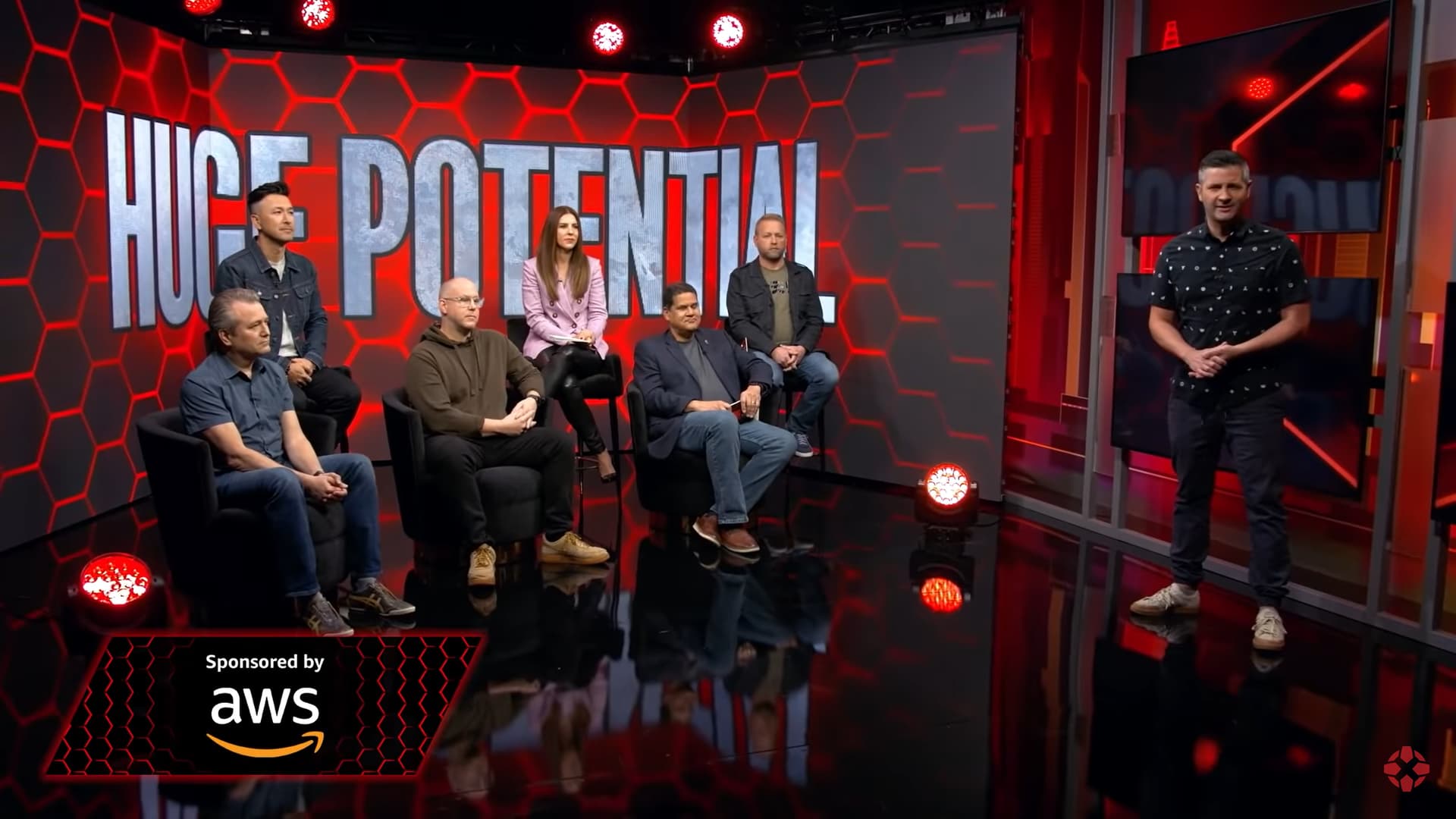
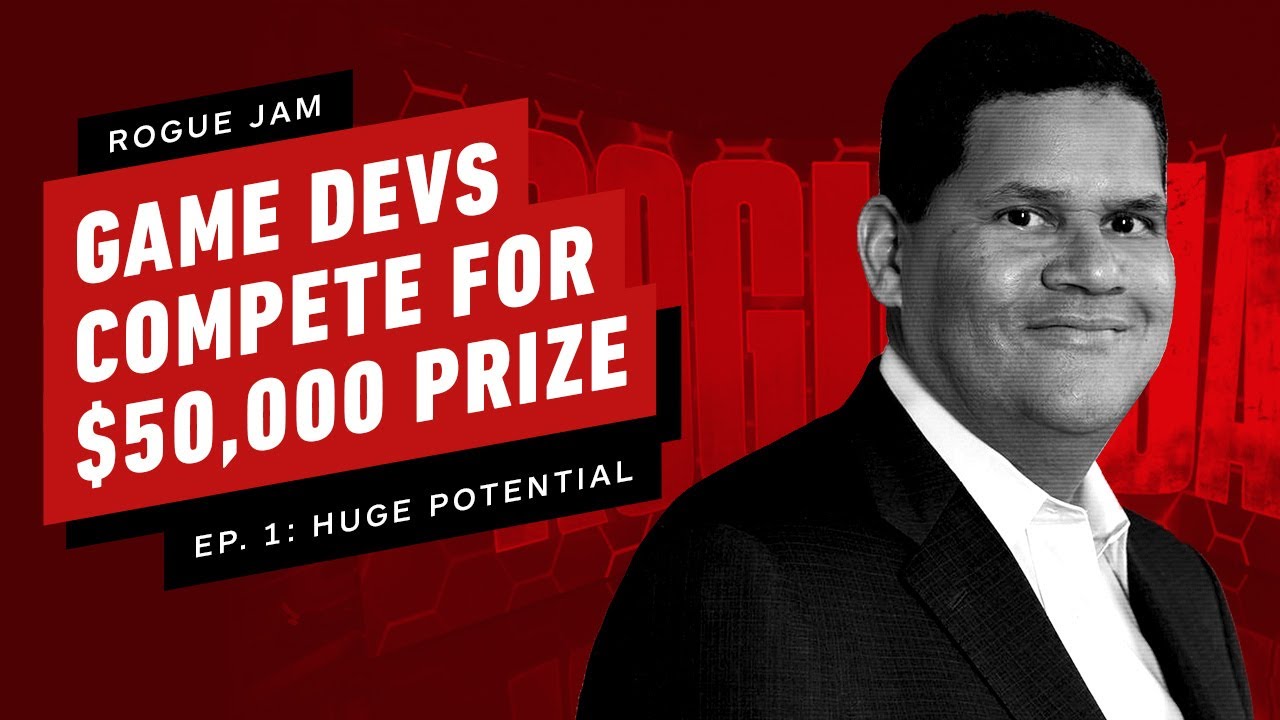
Speaking of abstract moneyed conceptions of “indie”, IGN’s newest reality competition has an episode out. The last iteration of this they did had (pertinent to the convo) David Jaffe, Jenova Chen, and Lisa Foiles as the judges, this one seems even less coherent (im a fan…love a peek into a dystopic mindset)

3 Likes

this is dire, I can’t stop watching

2 Likes

I feel kinda odd about the bagging on Supraland in here (I played some of its demo and thought it was fine but that including combat was a mistake), it seems like a game a random person made with solid craft that happened to get a winning ticket for the success lottery. I can easily see not digging it as a game but it seems fairly distinct from the general indie game issues/bitching otherwise dominating this convo. Basically a Jon Blow is a loud dick (allegedly) whose general ideas and messaging could be damaging to the larger scene, the Supra guy is seemingly just a lucky german fellow who gets to keep working on the games he likes to make without much pressure as the eye of the market happened to fall upon him one day. Maybe I am failing to follow all the contours of the conversation but I don’t see a reason to bring the latter guy into it.

Anyways I play a bunch of tiny games made by passionate people in their spare time mostly removed from any expectations of success, it’s a worthwhile endeavor for them IMO but I really can’t see much of a pathway to scale that up to larger indie level beyond being something to put on a resume. On one hand that’s kinda sad but on the other I think it is good that the tools and scene exists for these to exist and be distributed widely without much friction beyond the eternal discoverability quandary.

5 Likes

image

3 Likes

I think a lot about this analogy between Kingdom Hearts and House of Leaves.

Like thematically House of Leaves is about this connection between this endless, self-generating, cancerous house completely unsuited for human life or continued existence and the sprawling 00s media and critical landscape that, even at the time, was already turning every single issue over and over 24 hours a day producing nothing but, in aggregate, incomprehensible noise.

Kingdom Hearts is like a machine for producing endless amounts of convoluted, disconnected lore that never conclude or connect to anything. Every game introduces more stuff to know about that just goes deeper. None of it is particularly interesting or captivating or thematically meaningful on its own but the fact that the mystery just keeps circling around and around producing more stuff to know about is its own weird draw. I think if they ever just like… told you who the master of masters was, for example, without making into a bigger and weirder unexplained thing people would probably just be disappointed. There’s an outrageous amount you can know about Kingdom Hearts spread around innumerable sequels and side games and none of it will help you to do anything, including to actually understand what the games are about. If the provenance of Kingdom Hearts was less clear (it’s all written by a guy) it would be thematically indistinguishable from the titular House of Leaves.

13 Likes

umm the first three hours of KH2 are about imposter syndrome, dissociation and the fabrication of self identity particularly in adolescent children as told through the perspective of a kid whose entire self is a construct based on the memories of other people, this is immediately following the gba game where the adolescent kid his whole identity is sculpted after is struggling to retain his memories of his friends and discern which of them are his own and which are fabricated, because how we interpret and internalize our memories is all we have after the people we love are gone. and this ties into the first part of KH2 shown in a world where only roxas and his friends exist to him in the form of false memories, and everything around him and everyone else is a monster and a “nobody” because he is literally and figuratively in a simulation replaying the past

idk how to like, analyze all of this in a smart way but i sure found it compelling as a child with issues developing their own identity

also fuck disney

14 Likes

Oh don’t get me wrong—I think the games kick ass (well most of them) and the thematic elements mostly really land. I’d never touched KH until 2019 when I made it a project to play every game in the series that’s still playable, and with a few exceptions I had a great time. The voluminous lore however… it’s not that I dislike it, because it adds a lot of colour, but it is bonkers and you can more or less ignore it. I feel like it serves way better to create the feeling of the games having a kind of cosmology of their own rather than really acting as a mystery to be solved, but I just like how every new game piles questions upon questions and provides no answers to speak of.

3 Likes

I often think about how nobodies are tulpas created from people who have lost their souls but are metaphysically distinct people who can generate a soul through their being

also data sora

5 Likes

I find myself drawn in by the lore concepts, clownshoe yaoi aesthetics, and Utada Hikaru and I’m always let down playing a floaty licensed anime game inside abridged Disney movies.

I love this distinction of perspective

6 Likes

arf arf arf awooooooo

The best thing to do with KH is realize that Nomura et al. are just making the plot up on the fly, and the real story is about how terrible dudes are at being friends with each other in a variety of situations.

This is why Axel is the most important KH character. Thank you for attending my…

5 Likes

IMO lore is always best used to serve this purpose or to reinforce thematic elements (which KH’s does) and I don’t think any good lore ever has been produced with the primary goal of being a mystery to be solved. Like I know that’s the primary mode that people engage with lore ever since Dark Souls 1 (or maybe like LOST?) but to me that stuff feels like trying to ‘solve’ a poem.

8 Likes

12 Likes

10 Likes

I think the fact that this does not include rules is a strong testament to what you’re saying, that KH is a poem to be experienced and not a diagram to be understood.

18 Likes

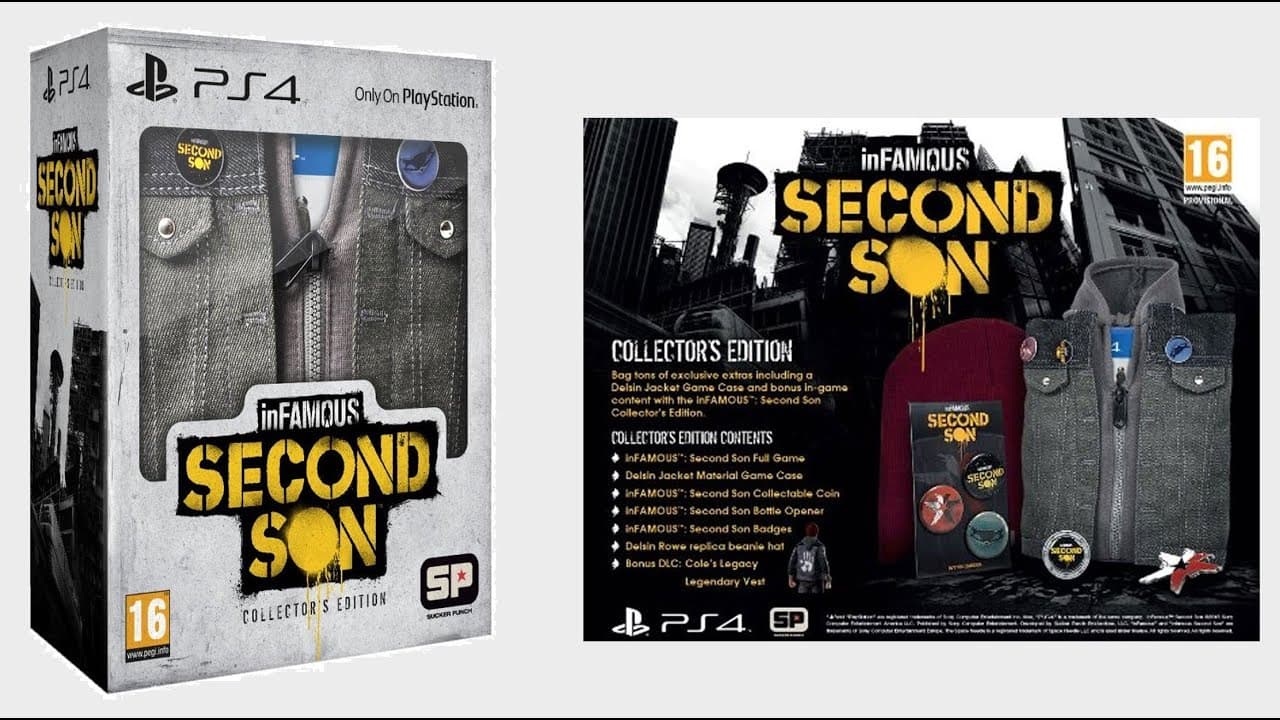
Does this include a box of ‘drugs’ you can destroy to raise your good meter so the cops of fascist Seattle like you more?

1 Like

The NARC remake was pretty wild.

2 Likes