crucial strats
2 Likes
filthy is a real one
1 Like
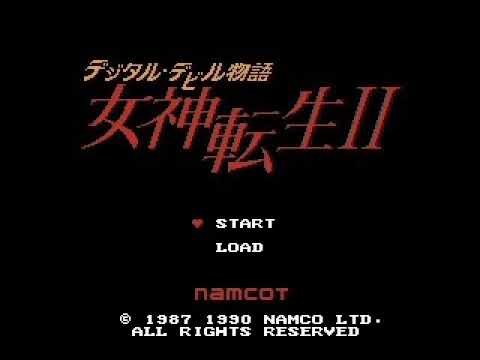
It’s the 30th anniversary of the Megami Tensei 1 and 2 Arrange Album on the 16th of December this year, and Tsukasa Masuko is surprised the album is still in circulation. It seems like he either wants to do something for the anniversary or he wants to do another arrange album. I was never a huge fan of this album, so a new arrange of it would be cool, though, I’m also not the biggest fan of the music in either Digital Devil Stories (2 is where the sound of the franchise started to form, so it’s decent (Labyrinth from 2 evolved into Shibuya in SMT1), but 1’s music is kind of grating).
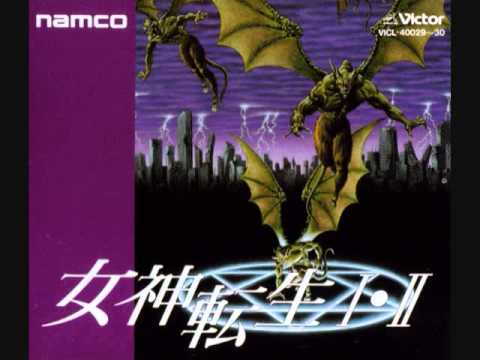
In my head, this is one of the most iconic tracks in the franchise. It’s written entirely in the ‘key’ of Megami Tensei and could be dropped into most Megami Tensei games and not feel out of place because it’s in the franchise ‘key’.
4 Likes
I’m near the end of my no-Amala Nocturne run and the difficulty has been excellent all the way, confirming my suspicion that the Nocturne Maniax additions wrecks the game’s balance. Endgame dungeons like the tunnels, Yoyogi park, the Amala temple haven’t been dull at all like they usually are. I also feel like I have less game overs than usual because I play more carefully (I have to)
I gotta say that the best part of that whole game is when it turns into a Wile E. Coyote sim in the Diet Building with the painted doors and optical illusions
7 Likes
Yeah but not only that!
-
The Amala labyrinth does give a lot of exp + items + macca, exp meaning more skills, better stats, access to higher level demons and better recruitment opportunities (I regularly ran into demons I couldn’t recruit because of a lower level, this playthrough)
-
Matador + Dante/Raidou are difficult early bosses that force you to master the game early, the main story bosses pale in comparison until the very end. Without them the game has a more natural and linear difficulty progression
-
As an ally, Daisoujou can carry you through the whole game
4 Likes
For those who haven’t played Nocturne / didn’t get that far:
5 Likes
real vanilla nocturne was balanced differently anyway right? I’ve always been curious about this
2 Likes
people talk about this game’s dungeons like they’re tedious, too much, a mistake, and i just don’t understand it tbh
i find the balance of map-checking and switch-flipping and gimmick-navigating perfectly tuned the encounter rate and at no point am i overwhelmed by either. i’m certainly not a particularly capable navigator in videogames or otherwise.
i haven’t played smt4 or p5 but it seems sad to me this type of level design is apparently less palatable to a modern audience
12 Likes
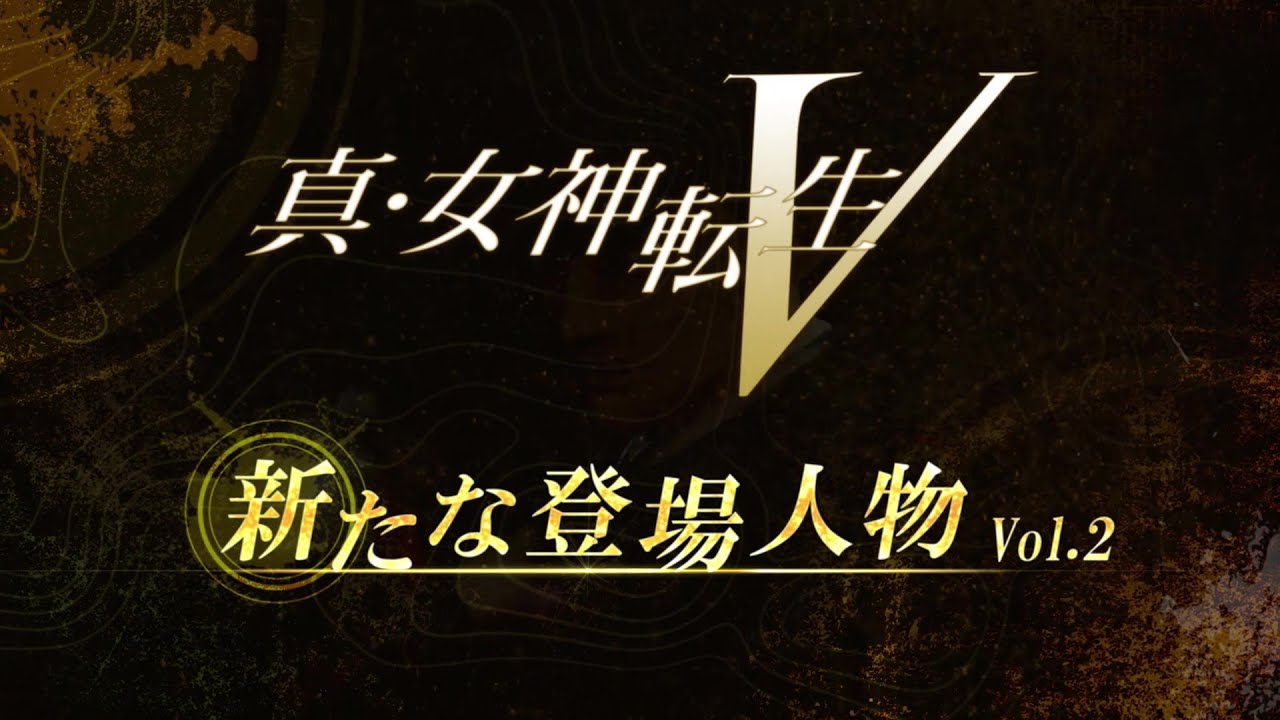
Introductions in Japanese for some more characters.
1 Like
I’m happy that they’ve gone with an aggressive social media campaign but it’s making the wait even harder
2 Likes
i know what you mean, but my take on this is that the most compelling way to play a second time through is maniax on hard mode but only occasionally dipping into labyrinth and fiend stuff, saving most of it for later in the game and not really bothering with deathstone fusion until near the end when you’ve finished everything. i’m finding the story bosses challenging and playing in general to be comfortably taut, i usually only have enough macca for exactly the magatamas i want and healing + some basic items, i’m not getting walled but i have to die and adapt sometimes, resource attrition always requires planning and decisionmaking, etc. i’m making consistent progress but each new milestone is non-trivial and requires planning, and that feels great. and from a tutorial standpoint early bosses like matador and dante are good preparation for playing this way, and for the labyrinth of amala bosses and luci as well. the amala dungeons and fiends are just really really fun and cool and i think they add a lot to the game if you don’t go into them specifically with the mindset of using them to cheese the rest. and yeah, the difficulty balance on original vanilla was different than international normal mode, it was somewhere between normal and hard. i wonder if there’s any more detailed info in english about that… i think a speedrun of it exists somewhere if anyone’s curious.
3 Likes
I think instadeath was more common
1 Like
you have to get to the end of the (i think) second kalpa for the cutscene with the riders to spawn them but otherwise yeah
1 Like
I’m going to start nocturne soon, am I missing anything by skipping the DLC?
If you play on PC, you need to get the free Chronicles patch to access the bonus stuff from the Maniax release.
The paid DLC is very disposable:
- You can pay to have Dante instead of Raidou (they’re effectively the same, only their dialogue and appearance is different)
- You can pay to access new areas that give a ton of money / exp. These areas aren’t even unique (unlike in 4a); they’re palette swapped versions of other dungeons + you can download the free easy difficulty and switch at any time if you’re having trouble
- Pay to have like SMT1 music in your SMT3
1 Like
they do not iirc
1 Like
A friend and I were debating the RNG merits of a number of what may understandably be some of the more controversial aspects of Nocturne in terms of enjoyment and difficulty and there was a productive discussion around the following.
One hit kills
Having these come right after a major boss fight or dungeon are extremely annoying but without them I feel like the combat doesn’t really have a certain spice. I don’t believe it’s completely offensive though since there are ways you can protect against them (endure, tetraja, run away). In a sense this is the same kind of thrill that gambling provides but at least you can massage the odds almost entirely in your favour if you’re paying attention rather than it being a crapshoot favouring the house. I was thinking about this right after the trumpeter fight which is a huge distance away from a save point and you can just lose the fight early due to the gimmick of the fight. In this case only the time annoyance is really the major obstacle for the player since there’s no way to protect against evil melody other than endure. In this way can’t really say that one hit kills are fun/bad in every case but it definitely feels like the game would be less interesting without them.
Demifiend as only death that matters
I feel like having the party leader’s death be the game over generally sucks in games but at least here it is contextualised and, again, it can be protected against. The turn economy of Nocturne usually allows you to plan out protection and mitigation to keep the party leader safe but there are occasional edge cases where an unexpected boss that completely wrecks your weaknesses and can destroy the Demifiend from full health in a single turn is basically there to just say ‘do that again’. I’ve had this problem with Surt, Trumpeter, and some mudoon casters but I don’t really begrudge it. I shouldn’t be perfectly anticipating and responding and being rewarded for every single thing I do in the game all the time. Speaking of which.
Fusion failures
Having fusion, especially sacrificial fusions, fail does sound extremely irritating on paper. Again one of the issues is just the loss of time and the fact that the game is basically telling you to go back to a save point. However like a lot of the game it is well themed around creating your own order from chaotic systems and accepting when there are cases where you have no control because of the actions of others. I can’t write them off since the failures can lead to good stuff but it seems silly to just say I only like the potential of failures because I might get some good out of it. Theoretically auto saving (or placing fusion centres far away from every save point - bad idea) would be a way around this but then we are really locked in for some bad outcomes. I think the idea is that you are trying to make the best of what you have or are given but the idea neglects to imagine a case where the player will just simply save before doing any fusion. One of the games biggest strengths in anticipating and planning for a particular fusions ironically makes this particular harsh RNG more distasteful because it teases so many tantalising possibilities with new Demons and abilities.
Dungeon Design
Not really RNG as such but you can happen upon the correct path and get through some dungeons extremely quickly if you are lucky (black temple, white temple, Yurakucho tunnel). I don’t have much to say on this other than it feels like there are different degrees to which the designers are basically trying to get the players to second-guess the ‘wrong’ path and trial and error their way through the dungeon for the sake of getting the players to have an average amount of random battles - nothing we haven’t seen before. But some dungeons suffer from this if they don’t have a more interesting theme or idea surrounding this (a lot of the subway tunnel dungeons do this in particular).
Overall I think the RNG is necessary thematically and for major spikes of enjoyment. It also just feels like part of the games identity and I’m not sure removing certain parts of it would always constitute quality-of-life or balance improvements. Every time on the losing end I feel like I groan, not in anguish, but in the same way one might affectionately do so in response to a bad pun or when a bad day just becomes something you can’t help but laugh at.
Decarabia is best demon
12 Likes
I’ve haven’t played Nocturne yet, but this makes me want to even more. I’m a big proponent of wider variance in RPG RNG!
3 Likes