I’m really excited to see it. The other Lang films from this late 20s early 30s time are so incredible. Fellow lovers of Lang should know that his films continue to pop up in this poll all the way into the 50s.
2 Likes
Body and Soul
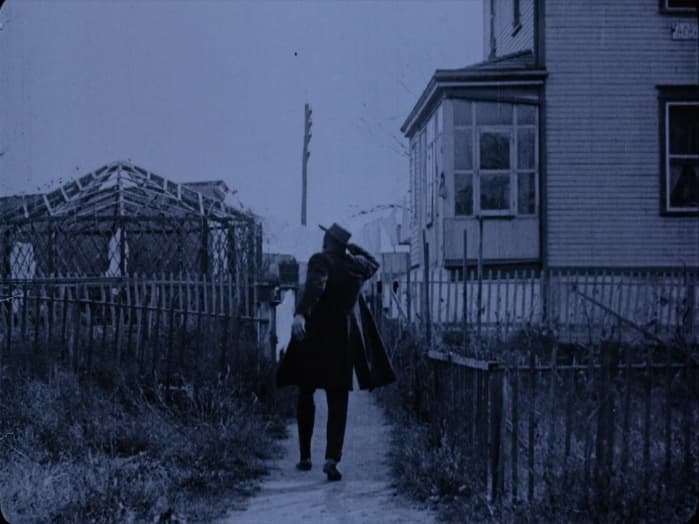
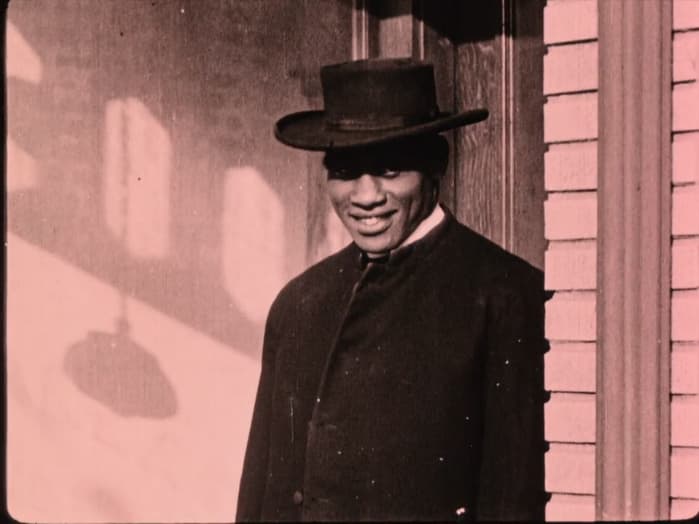
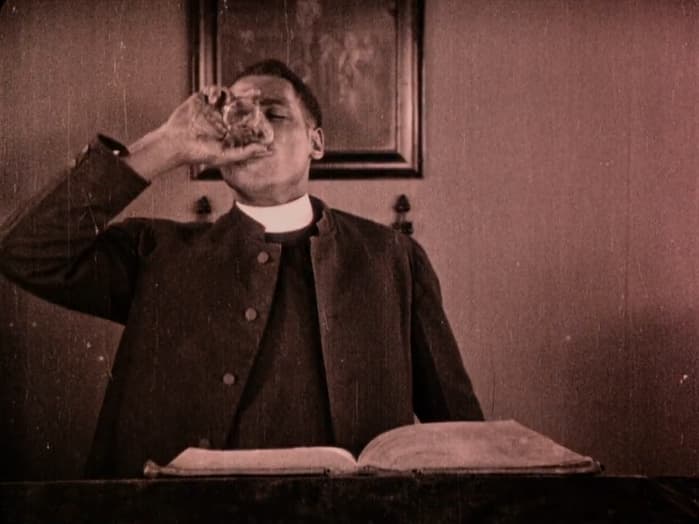
This is Paul Robeson’s first film and a highlight of black director Oscar Micheaux’s career. Robeson is incredible in this. He gives von Stroheim a run for his money as “Greatest Bastard in Silent Film History.” He plays a criminal hiding out as a preacher in a small town. He drinks, robs, and abuses women. His face shifts so easily between charm and menace, confidence and fear. I want to see him in everything now.
It’s so powerful to watch black actors directed by a black man for once. Outside of this film, black characters of the time are usually completely absent from film or played as dumb caricatures. The Criterion Channel has many restored films and archival reels from black professionals and amateurs of the early 20th century. I’m looking forward to exploring more.
5 Likes
The Unknown
Tod Browning - USA - 1927
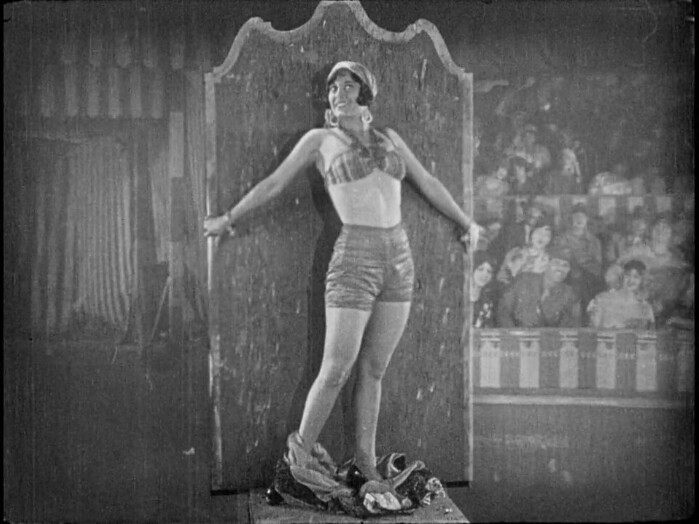
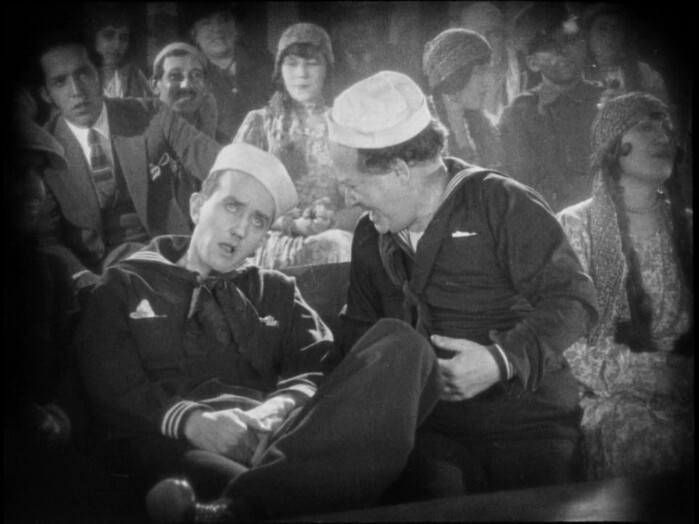
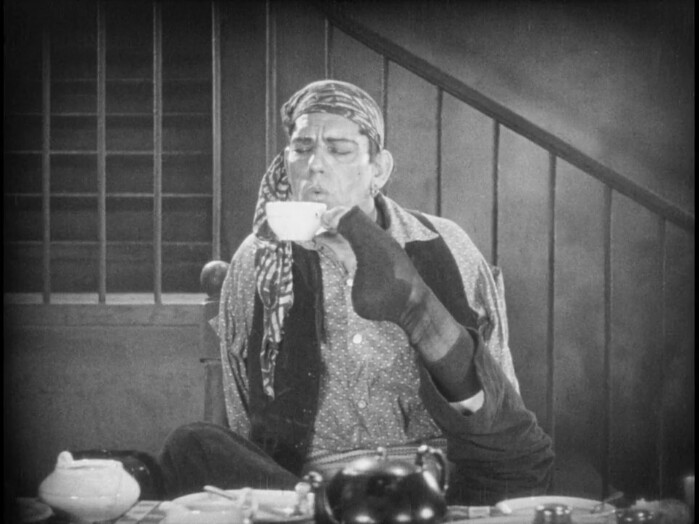
Tod Browning ran away from home at 16 to join the circus. He remained drawn to all manner of liars, carnies, and misfits when he eventually became a film director. You are probably aware of his most famous film, Freaks. The Unknown covers similar ground, all while showcasing Lon Chaney’s talents and as well as those of a young Joan Crawford.
The story is surprising and haunting. Lon Chaney plays a man without arms. He has developed a circus act around skillfully using his feet. Meanwhile, Joan Crawford is the circus beauty. She is a part of his act. He shoots the pins off her clothes and the audience gets to gawk at her body. Completing this triangle is a strongman who can bend rebar and hold back a trotting horse.
The strong man loves Joan’s character, but she hates being touched. Lon Chaney’s character also loves her and he feeds her belief that all men are disgusting. After all, if men only use their hands for vile deeds, he looks much sweeter and safer in comparison. This is another story about how dangerous it is to be the object of a man’s affection. I won’t spoil much more than this premise. Just know that it goes places I didn’t think it would.
6 Likes
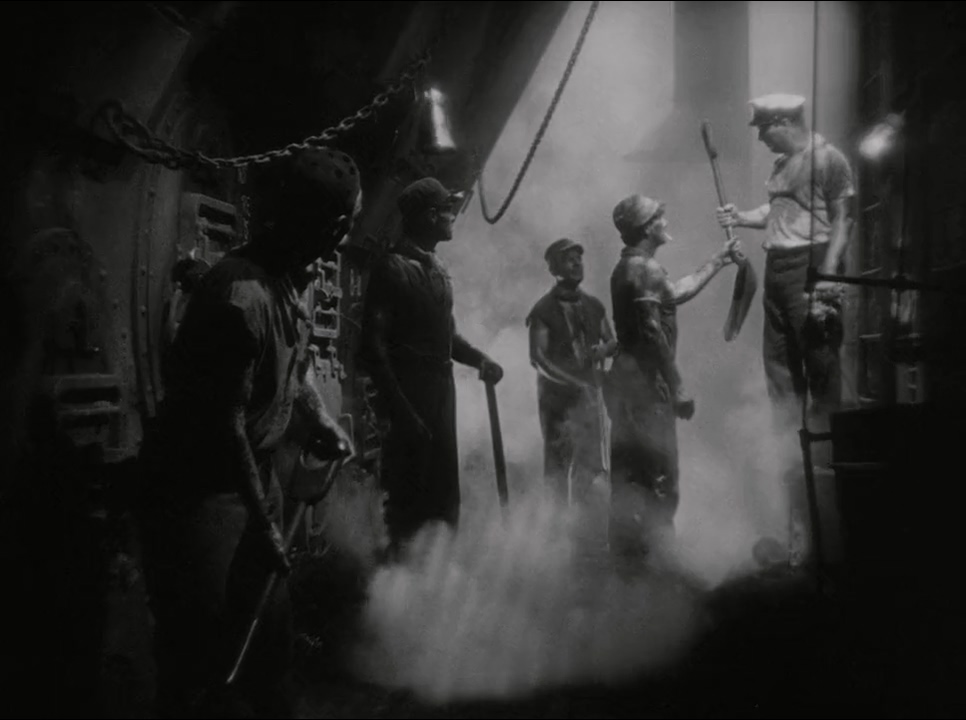
I watched a lecture on film lighting during the silent film era and it made me really want to watch the Docks of New York
Just the few brief shots of the film shown during the lecture made it obvious that it was one of the most beautiful series of images produced in that decade
5 Likes
I’m so happy that von Sternberg was prolific. It feels like I could keep dipping my cup in that well and never go thirsty. Underworld is a silent of his that I’d love to see. He made seven with Marlene. I should read his memoir. I should go to Vienna someday and see what kind of place could give us both Sternberg and Stroheim.
1 Like
Here’s the lecture btw
2 Likes
docks of new york and wings (1927) are incredible movies
3 Likes
that Eisenstein is definitely on my list
1 Like
Thank you for sharing this. I just watched this morning. It was very illuminating 
1 Like
the second lecture in the series just got uploaded yesterday, covering the early classic hollywood era, ending on Grapes of Wrath and Citizen Kane
2 Likes
I watched two of these this week!
It
This is the first time I’ve seen Clara Bow on the screen. I was shocked to see her hair. It was crazy big like the whole thing was multiple hairpieces layered on one another. The pictures online aren’t quite doing it justice.
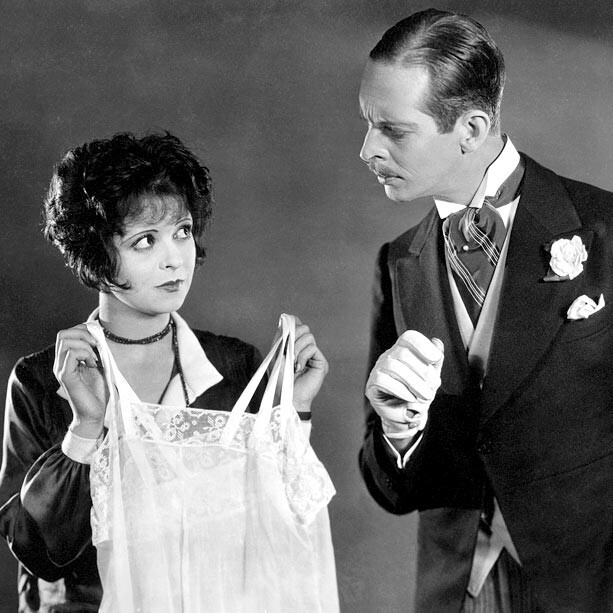
Is it just me or did John Waters bite Monty’s whole flow? He’s the man in the above picture. I guess you need to see the movie to really see the hair and this man’s je ne sais quoi. Clara Bow is really funny in this one. She has a little bit of Chaplin energy but she makes it charming instead of pathetic.
Is this the first film based off a Cosmo story?
Wings
Wings! The spectacle in this film still astounds. There are lots of staged dog fights. There’s a great effect where the frames are painted to show orange flames coming out of downed planes. We jump around all over these massive set pieces: the European countryside, Paris, military training, the beautiful sky… I was kind of worried to start a two and half hour silent film, but the whole thing cruised along.
Check out this shot!
8 Likes
I saw this one. There are so many great pulp moments. I was reminded of the Dr. Mabuse films, probably because Rudolf Klein-Rogge shows up once again. Speaking of him, did you know that he was first married to another actress? Then he had an affair with Thea von Harbou, divorced, and remarried her. Then Thea had an affair with Fritz Lang, divorced, and married him. This all happened before Rudolf starred in five of their films. During Spione, Lang had an affair with the female lead, Gerda Maurus.
Anyways, I loved it. This opening is pretty good at setting the mood.
4 Likes
I watched three Soviet films recently. I’ve always admired these silent Soviet experiments with editing and juxtaposition. Regardless of subject matter, the formal execution is always inspiring to me.
First up, October. I don’t know much about history of this time, only the broad strokes of one regime changing to another. I didn’t know about this interim period between the fall of the monarchy and the rise of the Bolsheviks. Through reenactments in real locations with no characters, Eisenstein has done his best to teach me.
The most brilliant moment of the film for me is the Two Napoleons sequence. There is a montage of images: a statue of Napoleon, the toppling of a statue of Alexander III–in reverse, the relics of the Winter Palace where Alexander Kerensky resided, a clockwork peacock. The association is clear: the provisional government is at risk of sliding into a monarchical power structure.
There are lots of other great moments. I wish I could find a well-restored version.
It’s interesting to compare to Wings. They are both films that look ten years backwards. Both of them recognize the sacrifices people have made. Wings is ultimately a tragedy because it focuses on individuals who are pulled into a war for duty and adventure. The world celebrates the veteran’s return, but he cannot participate because he has gained nothing.
October is triumphant. It mostly focuses on the least bloody moment of the Russian Civil War. The main character isn’t an individual; it’s the mass of people acting on their discontent and belief that the world can be better.
Dziga Vertov is an interesting figure to me, so I had to watch A Sixth Part of the World. This film starts with a scathing critique of the Western capitalist world. They exploit factory workers to build munitions, exploit African laborers in their colonies, and exploit the descendants of slaves for their amusement.
After this opening, he spends an hour showing you what sets the USSR apart. He focuses on the peoples of the Caucuses, the Eurasian steppe, and Siberia. He shows how they work and how they are all a part of the grand socialist project.
I’m a bit split with this one. There’s clearly an utopian way of seeing this, that all peoples can be masters of their work. I was amazed at all the different ways of living he managed to capture in one hour. However, I can just as easily see the vision as a facade. Great attention is paid to the material wealth that these ethnic minorities provide. We are assured that they get tractors, schools, and radios in return. Yet when he shows the diverse religious practices of these people, he is quick to say that all these backwards beliefs will one day be left in the past. Am I supposed to feel reassured that he includes Christians? It’s still feels like chauvinism to me.
I saved my favorite for the last…I think I’ll save my thoughts for a separate post.
4 Likes
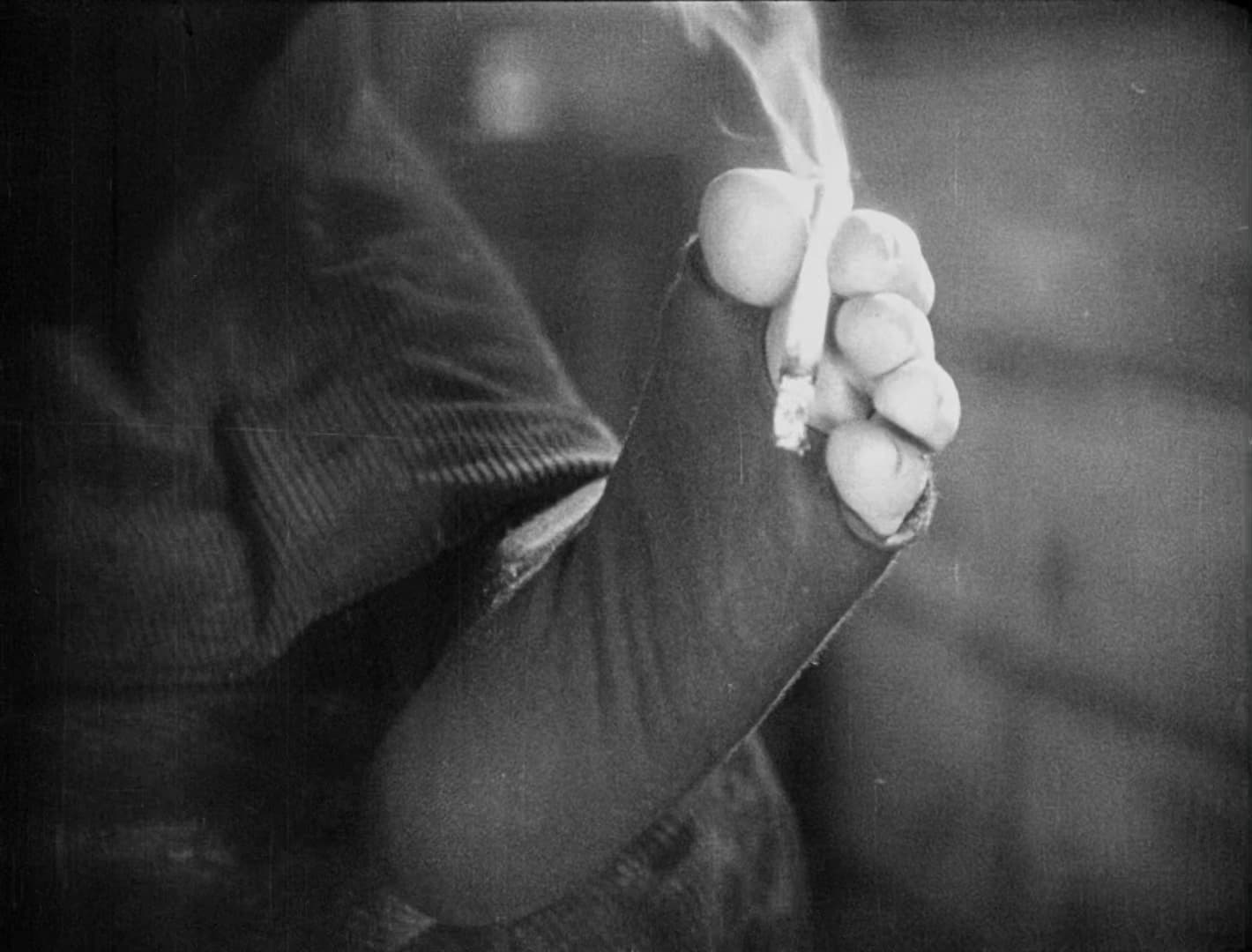
Do you think that’s Lon Chaney’s real foot or did he have a double?
1 Like
There weren’t that many foot stunts beyond smoking and holding a knife that I am choosing to believe it’s all Cheney. I think they woulda gone a bit wilder if they had some stunt feet…
2 Likes
Eventually I’m going to have to talk about my favorite film from this set. Might as well be now.
Fragment of an Empire
Fridrikh Ermler - 1929 - USSR
Soviet silent films are often discussed for their experiments in editing or documentary formats. More traditional films about characters and their personal conflicts are often overlooked. That’s unfortunate because many of the narrative films from that time and place have stunned me. Fragment of an Empire might be the most impressive of them all.
Filimonov is a soldier in the Russian Civil War. He experience such intense trauma that he loses all memory and reverts to a childlike state. Stranded in the countryside where he was stationed, he lives a simple life. One day and train rolls by and he catches a glimpse of a woman. This woman happens to be his wife. The sight of her carries his memories back to him. He knows he must go to his home in St. Petersburg. Ten years have passed since he first lost his memory.
When he arrives, he sees statues of Lenin. The stately houses that once commanded their presence in the streets are made insignificant next to the monumental government buildings that have been constructed. He rides a tram car and looks around. There are civilian women dressed in the modern style he might see as immodest. There are women in service in military uniform. Men in military uniform are casually chatting. We watch his face transform: curious, confused, panicked. He runs out and shouts, “Where am I?”
There is so much empathy and care put into writing and depicting our protagonist. He is an object of immense tragedy. We are invited to laugh at him here and there like when he assumes “Fabkom” is an individual who manages the mill. The laughter is almost always cut by the tragedy that he has lost 10 years and his present state is one of fear, paranoia, and confusion.
We are so lucky that a restoration was completed in 2018. This picture deserves to be remembered.
2 Likes