Experimental Game Music

To continue in my recent tradition of biting diplo threads when I think of mutant variations, herein we can discuss experimental game music.

Mostly what I’m thinking of is interesting adaptations of music to the interactive and/or programmed nature of vidya games, like semit-random music generation, novel uses of procedural scores, interactive or cued scores, or maybe riffs on serialism. Y’know, Rez would be a boring choice, but if you can explain in specific terms some sort of technological or compositional intent behind Metroid II’s score, I’d be all ears.

diplo’s time signature thread made me think of the bizarre and so-far unexplained Taz-Mania soundtrack:
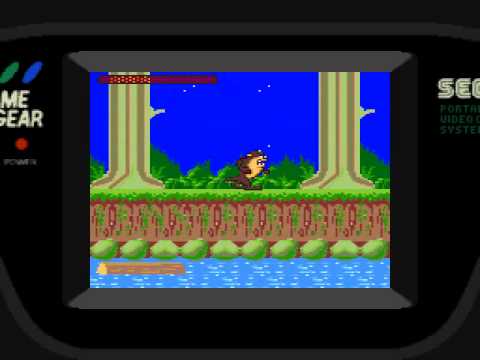
Which I summarized on Facebook thusly:

As far as I know, it’s still a
total mystery as to what’s going on here. Game historian Frank Cifaldi
has guessed that the music is being loaded from RAM or otherwise
algorithmicly generated in some way. Based on how close the seem to
composed songs, I wonder if there was some sort of porting issue. Like,
they were written for the Genesis soundchip and then had to be
downported to whatever the Game Gear had (which was maybe similar to
what the Master System had?).

Better explanations are definitely welcome.

Anyway, the idea of generating music from RAM made me think of what I think may have been the first game to do so:
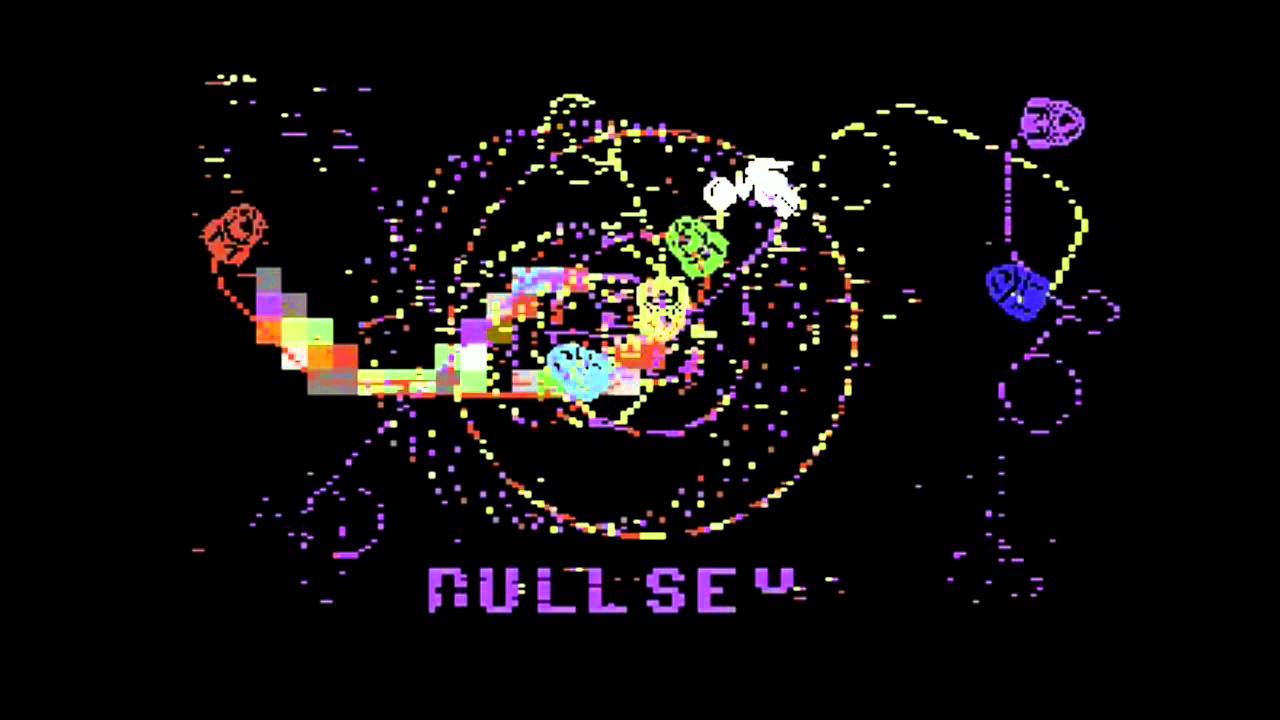
While probably overrated as an “art” game, Moondust does have the distinction of being created/programmed by a super interesting dude, who seems like he probably has wonderful opinions on The Matrix: Jaron Lanier - Wikipedia

Also, if you’re enjoying the music from Moondust, I highly recommend “Wild Piece” by Raymond Scott, which seems to be…pretty much impossible to find streaming. But you can probably torrent Manhattan Research Inc., and you should anyway.

Anyway: what other music experiments have made it into gaming? Don’t be afraid to list “obvious” recent stuff. I’m so out of touch that I’ll probbably be surprised by anything new.

2 Likes

Commentary from the creator of Crazy Bus: http://devster.proboards.com/thread/526/crazy-bus-cult-classic

Huh, there’s actually a general procedural generation sub-Reddit: https://www.reddit.com/r/proceduralgeneration/

Mostly visual stuff, though.

And it seems like procedural or automatic music generation has moved from the avant garde to a sort of lazy middleware option for indie devs: http://ludumdare.com/compo/2012/12/19/automatic-music-composition-tools/

best played with a midi controller, which xiwi electronics is selling for 100 bucks and you get a midi controller out of it!

LSD contains 490 unique audio tracks. Each area has its own 5 patterns, that can be heard in any of 7 different instrument sets: Ambient, Cartoon, Electro, Ethnova, Human, Lovely, and Standerd (spelt as it is in the game’s files). Each area’s music contains significant amounts of audio from the game’s soundtrack, except with a different pitch, note arrangement, or speed.
The game will load the combination of pattern and soundfont at random, and will reset these every time one of the opening clips is watched on the main menu screen. One might originally start in the Bright Moon Cottage with its third pattern playing in the Lovely soundfont. But if they wait and watch a clip, they may then start there with its second pattern in the Ethnova soundfont.

1 Like

I liked the little fish in Electroplankten but have nothing intelligent to contribute.

1 Like

As one of the few people stupid enough to enjoy Taz-Mania on the Genesis (god, those fucking mine cart levels), those are definitely (poorly) ported over versions of the Genesis game’s soundtrack, which itself is already some kind of funky-sounding mix of straight background music and weird context-sensitive cues and sound effects.

Anyway, pretend that I embedded every track from SoR3

I played that taz game gear game a bunch when I was a kid. I have nothing else to add to this thread.

Nice. This is very good to know.

Maybe they were using the graphics card to emulate a sound channel or something? I really don’t know much about that kind of stuff.

It’s all basically Brian Eno’s fault. He “invented” procedural music, then endorsed a hokey software solution in the 90’s.

He recently put out an iPhone app so you can punctuate your commute with low-fi procedural warblings.

does this count?

alt: http://www.tubechop.com/watch/7664120

3~5 distinct BGMz holding hands

1 Like

Holy shit Toups that is like a B-side from Broken Social Scene’s third album that is secretly better than all the A-sides.

Goddamn, this is easily the best game soundtrack I’ve ever heard:

2 Likes

sounds more like anco to me, but yeah

I was thinking Panda Bear for the second song I posted.

Everything Kota Hoshino does is great.

Panda Bear is a far less interesting musician.

I’m curious by whose account did he ‘invent’ procedural music. Charles Ives created Aleatoric music before Eno was born. Karlheinz Stockhausen had at least one piece that used a very procedural sort of Aleatory when Eno was still a child.

Heck, I’d even count Iannis Xenakis as an inventor of procedural music before Eno.

1 Like

His own, hence the quotation marks. The man has an enormous ego. I can’t seem to find the interview, but he basically says that he is the god of everything and that generative and procedural music were all the spawn of his own intellect.

1 Like

But aleatoric music is its own concept and obviously not necessarily procedural/generative/algorithmic. I also think that terms like “generative” and “procedural” music connote digital production means, whereas “alleatoric” connotes analog. Sure, either could be done either way, but I think these terms are associated with the avant garde of their time.

FYI, Wikipedia credits Eno with coining “generative music,” and maybe popularizing it through some of his work, so yeah: Generative music - Wikipedia

[quote=“Tulpa, post:20, topic:837”]
Everything Kota Hoshino does is great.[/quote]
So it seems!

Broccoli reminds me of trees and vice versa.