A little development story from the past: “ROM Burning.”
This time, I’m talking about the process of taking decomposed data, like in the previous post, and bringing it to the point where it actually runs on real hardware.
The workflow was completely different between the NEOGEO era and SHADOW LABYRINTH.Here’s a rough overview of how things went up to the point of playtesting in each era.
■ In the case of SHADOW LABYRINTH
Each staff member’s data is constantly integrated into the engine (Unity).
At this stage, basic playtesting can already be done within the editor.The current data is built into an application and exported as an .exe.
Used when testing the game as a standalone build, or for staff who don’t have the editor installed.The exported .exe is downloaded by the necessary staff, and the game is launched.
■ In the NEOGEO era
Graphics, program, and sound data were each written to ROM by connecting the PC in use to dedicated hardware — this process was called “ROM burning.”
ROM burning meant writing data onto EP-ROM chips, and that’s what everyone called it back then.A label indicating what data was stored was attached to each burned ROM.
The completed ROMs were duplicated in the required quantity using a dedicated copying machine.
The ROMs were inserted into the board, the board was mounted into the cabinet, and the game was launched.
Back then, there were very few ROM burners available, and when multiple projects overlapped,
there was intense competition to use the machines.You’d often hear voices around the office shouting:
“Ando-kun, can I borrow you?!”By the way, Ando-kun was the nickname for the ROM burner,
named after its manufacturer, Ando Electric, since the equipment had “ANDO” written on it.The machines capable of making multiple copies were sometimes called things like
“Super Ando-kun” or “Big Ando-kun,” depending on the team.


クレジット音の話し。
作り手として、最初に作るか、最後に作るか。僕は最初。
理由もあります。の、前に。
クレジット音てとても重要。
コインが投入されて、それを認識したアンサーバックだから。なので、必ず再生されるようにプライオリティは「0」!
数が小さい程優先されるようにドライバー作っていたので。で、気を使う。
コイン投入は何もゲームを始める時だけじゃないじゃないですか。ゲーム中、ボス戦中、ネーム登録中、デッド処理中。どんな時でも、プレイヤーはコインを入れれるし、それを認識しないと行けないし、音も必ず出す。何かの効果音に負けては行けないし、なんなら流れてるサウンドを全部消すって、リクエストがサウンドCPUにかかってる最中でも、コイン音は鳴らす。大変なんです。なので、それを確認する上でも最初に実装して、色々ゲームの機能が増えて行く最中でも、ちゃんとクレジット音が出るのか確認出来るので最初に作るのですよ。
via @Shinichi Sakamoto talking about the design of sound of insert credit. His works on arcade include Valtric, Psychic 5, Wonder Boy in Monster Land and Monster Lair.
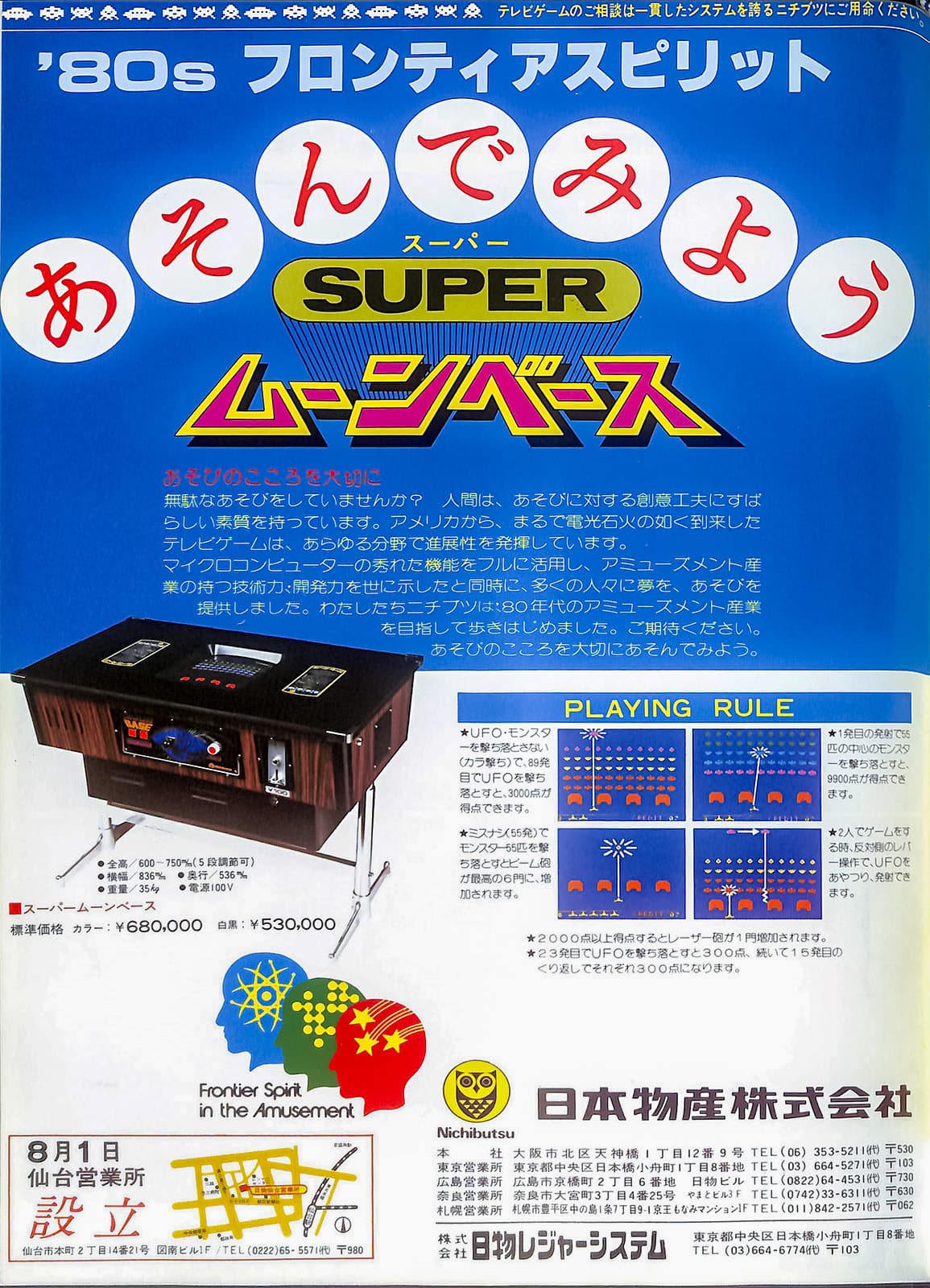
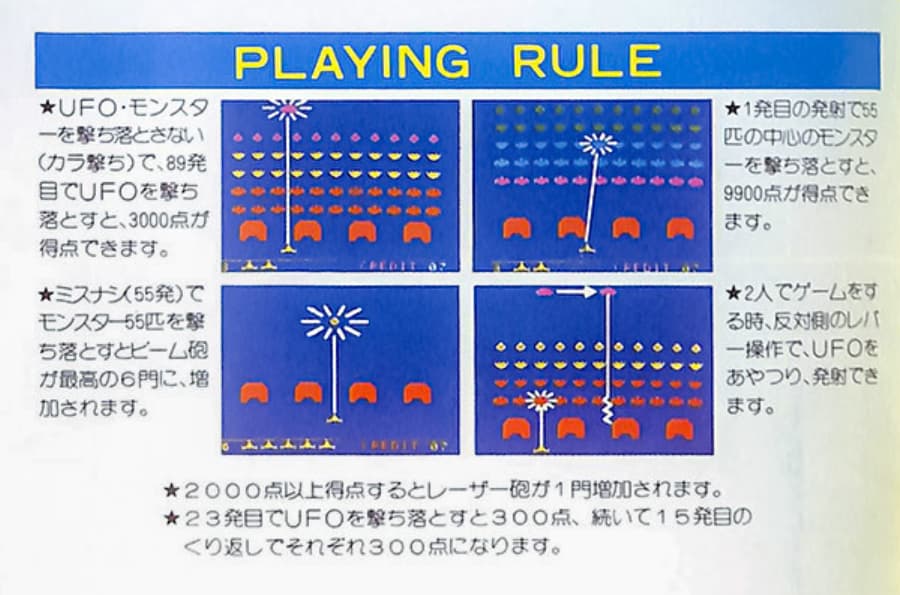
The score in Nichibutsu Invaders is so extreme that the 89th shot gives you 3000 points for the UFO, and the first shot gives you 9900 points for defeating the center one…
At 1996, Capcom remove nenko system and replaced by meritocracy. Then Noritaka Funamizu earned hundred millions yen at 31 years old.
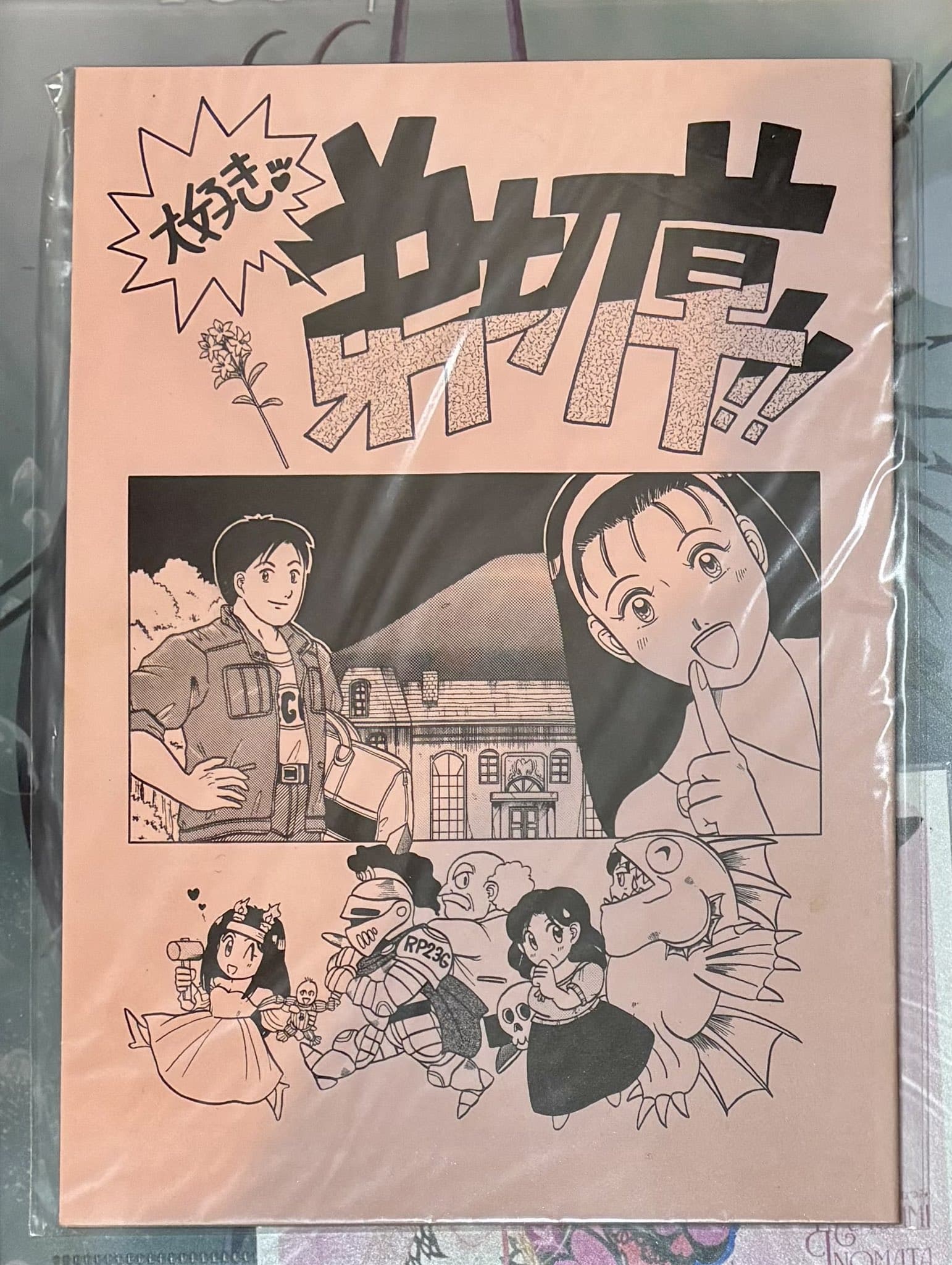
via: @jironosuke99
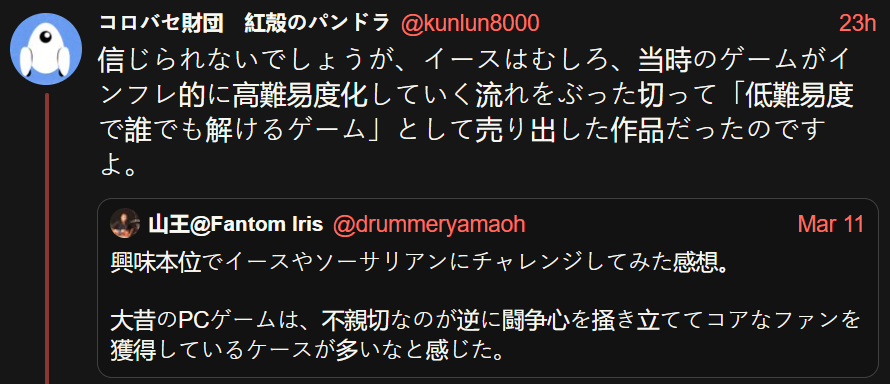
At 1992, 7, Mar, there’s an official speedrun event during the game Otogirisou released date by Chunsoft. If you got the pink saveslot in game and took a picture of, you could get a special booklet.

A post was merged into an existing topic: videogame things you think about a lot lot lot lot
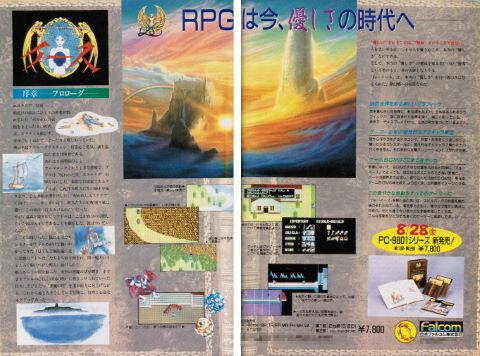
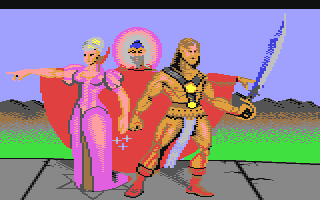
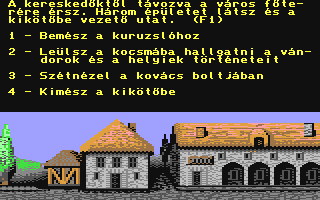
Outside Hungary you probably never heard of this rare Commodore 64 Text Adventure: A Gonosz Herceg (“The Evil Prince”)!
A Gonosz Herceg is a completely Hungarian-language graphical text adventure on the Commodore 64, with no typing required, just selectable answers for smooth gameplay. Such an easy concept.
I personally prefer this concept over other text adventures were you have to ‘guess’ the commands needed, sometimes failing to proceed at a certain point because you couldn’t get the command combo correct.
via: @MuseumCommodore

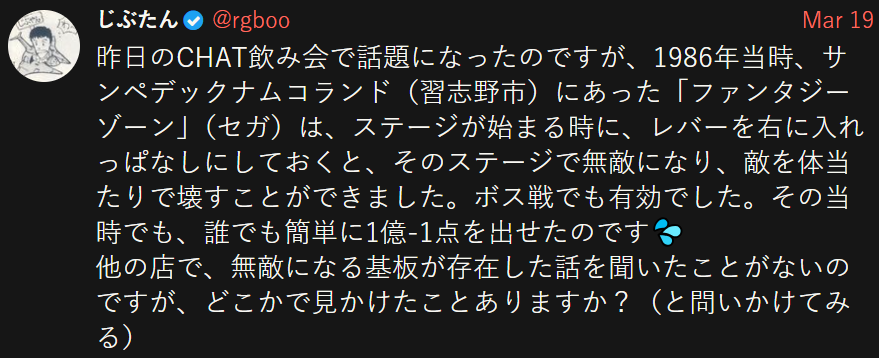
I’ve been loving my time with this archive of Game Machine trade journal lately. 1974-2002! Twice a month! That’s 660 volumes.
Obviously I love flipping through the ads, but most years also have a ranking column w/ English titles (which I believe is based on revenue from a poll of arcade operators) and some years have 1 english column per issue, for interested parties overseas. I also like all the game adjacent stuff (rides, claw machines, other coinop novelties). There’s a lot of curious things to uncover. The english columns cover a lot of legal, social, corporate, copyright stuff.
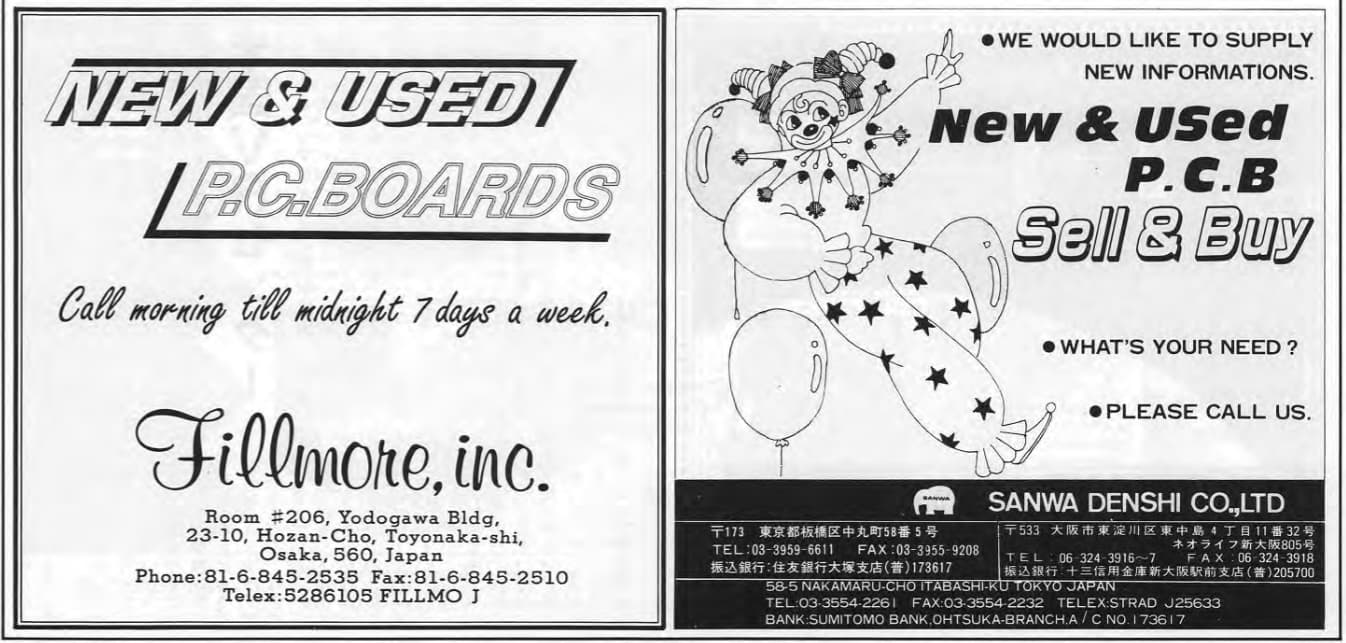
I wish I could call Sanwa and ask for 80’s arcade pcbs.
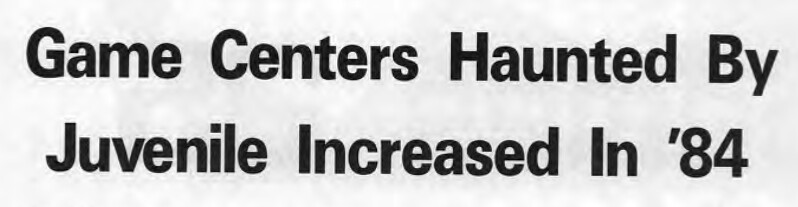
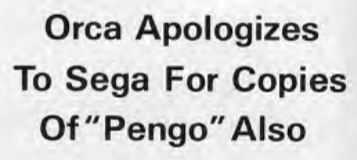
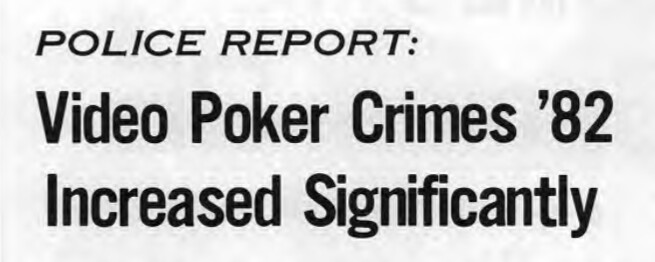

Section 8 of the Fuei Act in 1985 was a big deal. They wrote something about it every 2 weeks for almost a year!