Yeah, from a lay person’s POV it seems like “it’s never been easier” each year? But I’m judging by the ubiquity and quality of tools and resources, not the commercial/financial viability which seem to have cratered on the low end with Steam discoverability saturation.
2 Likes
I’m sure it’s well worn critical analysis by now but I hadn’t really considered when and why I put that game down until now. The resolution to Kanji’s story was unconsciously upsetting and just shattered any connection I had with the game.
2 Likes
naoto’s dungeon is one of the most sickeningly upsetting things i’ve ever encountered in a videogame, it’s so rancid. and very little critical writing i saw around the time of the pc port even bothered to mention it
4 Likes
Is it worth looking up or am I better off not?
1 Like
it’s about rescuing naoto from getting transition surgery from a mad scientist and convincing them that they’re actually a girl and only wanted to be a boy because japan is prejudiced against female detectives
8 Likes
Jesus Christ I was imagining demonic chest binders. That’s stomach-turning
on the other hand yosuke’s social link is less upsetting and more kind of bluntly hilarious because he spends his whole arc doing a lot of compensatory no homo and at the end there was supposed to be an s-link where he confesses to you but they cut it out (there’s a mod to restore it now) so instead he’s just homophobic to no particular narrative end and then you’re besties
the gameplay itself is also interminable bland nothing but that’s a given
2 Likes
I was thinking that the last couple generations feel imperceptibly different to me, but I’ve been using essentially the same PC the whole time aside from the Wii, got a end of the line retail PS3 and a used 360 fairly recently, and have been playing lots of old games on my Switch.
The only difference between now and then to me is that people aren’t into Rock Band anymore, and if you’re fancy or lucky there’s ray tracing?
3 Likes
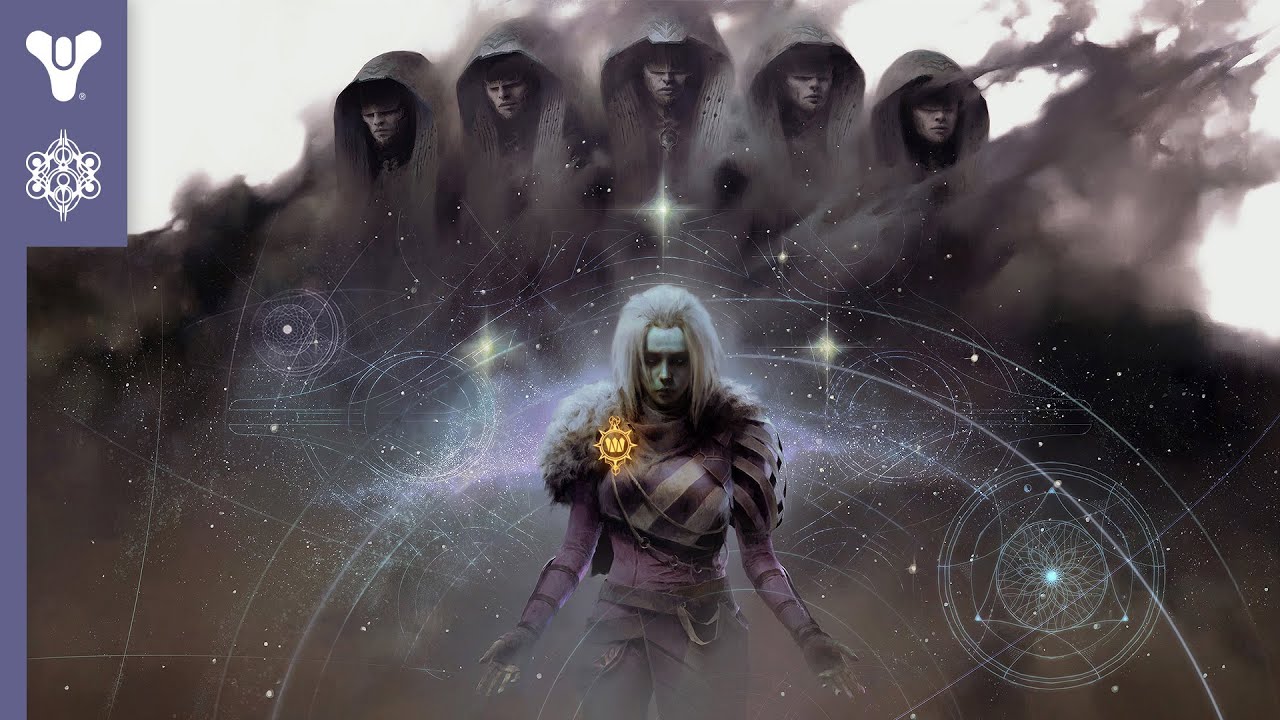
She’s so twisted she finds the idea of truth funny.
Annihilation swamp inside a black hole in Destiny. A hole for me.
4 Likes
mmm i just watched that stream and i sort of feel like maybe it’s time for me to really get back in… crossplay today too… hrgh…
1 Like
crawling into a television to beam Japanese conservatism directly into people’s brains 
1 Like
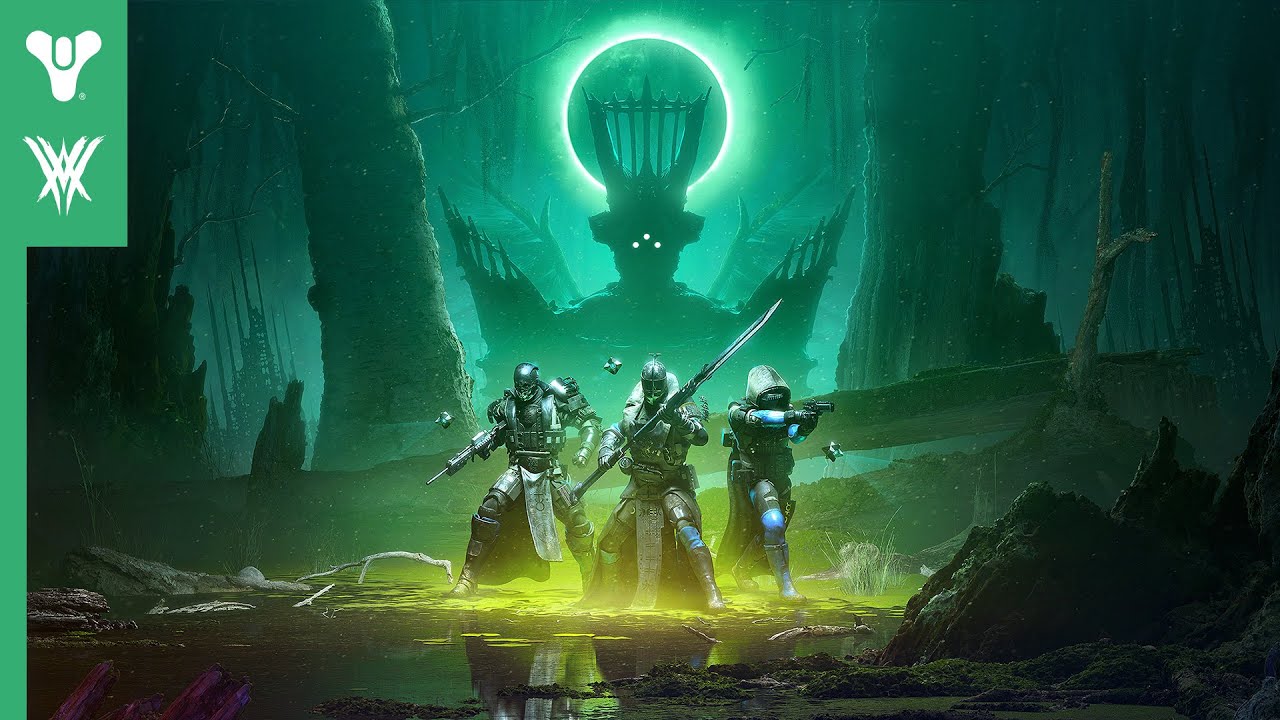
February 22nd for Witch Queen
2 Likes
on my end (and I am one of the aforementioned “inside” people so take that as you will) the “it’s never been easier” refrain is often used but like, I’ve never really felt a bigger gap between the popular opinion and the actual practice as I do now, especially with all of the big engines getting more and more complex and documentation becoming more fragmented among youtube, discord, and various forums, just to make something that is “mine”
like, in order to make a simple 2D game in unity I need to have basic coding skill, the ability to find or make art assets for animations, the ability to find or make sound assets, and the ability to import all of them in a way that allows me to find them when I need them, and absolutely none of this feels as viscerally simple as being able to make a film on your phone or music on a little pocket operator or something
@BustedAstromech mentioned minecraft and littlebigplanet and I’ll again throw in roblox as examples of maybe the closest we’ll ever get to the “play” and “make” verbs being the same actions, but every one of these examples is proprietary and closed. there isn’t even really a shared language of like, what individual objects are between them, much less between unity and unreal
at least with other media, even if you make something on a proprietary platform it’s still recognizably a piece of media when removed from the platform it’s made on, but with minecraft or roblox or a littlebigplanet or mario maker level, you have to do a lot of work to make things recognizable outside of the platform context that surrounds the work you’re doing
I think the promise of Unity and to a large extent XNA (and flash and flixel and stuff) was a sense of “legitimacy”, and you could derive the legitimacy from being on a marketplace that also sold like, elder scrolls games sure, but I think the bigger and more compelling derivation was that the works could separate themselves from the contexts they were developed in and stand alone, even if that wasn’t the case in practice. but xna didn’t gain a ton of traction and people started using “unity game” as an insult and we have an entire genre of games borne of a wc3 custom map and well, here we are
8 Likes
My belief is that we’re in a situation where it’s both never been easier to pay you to make your own game and never been fewer gatekeepers you have to impress to get your game out, but never more chance of disappearing despite huge time investment. I’m going to ignore big studio work, because that’s as big as it ever was and the most important difference in getting in is the rise of short-term contracting - its own disaster, but occurring during the boom years of a four-year development cycle.
Ten years ago being able to program put you a leg above tons of people. Being able to speak the language of games could get you into a protected garden market that only saw three or four releases a week. Knowing the parties to get into could put you in contact with press who would cover you as their one indie pick.
None of that exists now, so while we’ve got untold buckets of talent popping up and whose works can be played! they are very likely to pop and then burst.
I think we’re also feeling the effects of global competition. Another thing the gatekeepers allowed was an advantage to Americans who could find them at the parties and set up next week’s meetings. The would-be game developers in eastern Europe and southeast Asia and the global south and everywhere were much more disadvantaged. Now a Colombian team can release a $40 RPG with better production values than I can ever hope at their budget level and I almost have to give up on art & breadth. But on the other hand, they were now able to get wide distribution, they were able to make their game happen, and I was able to play it! (it’s not great).
Or, I think it’s much easier to get your first game out there. It’s still extremely difficult to get your second game.
9 Likes
certainly, the number of people buying PC games has increased five-fold in the last ten years, and Steam is a big part of that. PC was barely holding on in the 360 era and stores were giving them only token shelf space.
1 Like
Can anyone explain what went down when Steam sold out of the original Prey in those early days of them expanding beyond Valve games?
As I remember they discounted it, it sold a ton, then it got pulled with the explanation that they were only to deal with so many copies?
2 Likes
i think you’re definitely onto something, i think i’d say that when the steam explosion happened the already-tenuous definitions of supply and demand just disintegrated and now we have no concept of what supply and demand even are for games (or movies, or music)
like, how would anyone measure the “demand” for games? it seems like the industry has just bought into the idea that we can measure demand by copies sold but what are we actually measuring there? the demand for that specific game? the developer’s games as a whole? a mechanic within the game? an art style? the music? feels like we’re grasping at straws just to define what the demand for any creative work actually is
and it’s funny because steam with its tags and preference algorithm is maybe one of the best tools that might exist for this kind of measurement
7 Likes
could we get the original pmods back together? i would be down.
Steam issues digital keys for each sale and developers can request keys in lots of thousands. For example, when a game is in a Humble Bundle or on Amazon or any other PC storefront, the developer would ask Steam for something like 50k keys and then pass them along (I think this works differently now that Humble has Steam integration).
My understanding is that this also persisted to publishers in the early days, based on the specific publisher contract Valve had with them. Steam itself would ask the publisher to generate keys - a license to sell digital copies - and then have that many available. Publishers, of course, care deeply about the price their games are sold at and the value picture that sets. Per that supply and demand conversation, since games can be infinitely duplicated their demand has to be created through perceptions of value rather than scarcity. I think someone from Steam needed to call someone from Bethesda to get authorization to make more keys when the game sold surprisingly quickly.
4 Likes